
Baby Boomers to Zoomers: How Each Generation Prefers to Learn

Energy Worldnet (EWN) • January 8, 2024

Share this article

(+ How this Information can Improve your Training Programs)

In today's workforce, as many as 60+ years or 3+ generations may separate the youngest employee from the oldest in any given company. Each new generation experiences unique changes to societal norms, historical events, and technological advancements.

Two coworkers seated at a desk, working on a laptop in an office setting.

It's no wonder, then, that each generation has specific learning preferences.

You might be wondering, "Am I using training methods that are effective for my audience?" Certainly, being aware of a generation's preferences will help you reach or engage large audiences that include multiple age groups. But while this blog post highlights the learning preferences of each generation, you should still keep one thing in mind: Everyone is unique and may have preferences outside their generation's norm. For example, factors like culture and access to technology affect how an individual prefers to learn.

For these reasons, it's always best to review the needs of each person to ensure your training meets their preferences.

What are the generations?

Generally speaking, a generation is a collective group of people born and living through a specific span of time. Research and analysis of generations has revealed how unique events, attitudes, or technologies in history have shaped the people of that time. This is how the generations we know today, like the Baby Boomers or Millennials, are determined.

Today's workforce primarily consists of the following generations:

  • Baby Boomers or " Boomers " (born 1946-1964)
  • Generation X (born 1965-1980)
  • Generation Y or " Millennials " (born 1981-1996)
  • Generation Z or " Zoomers " (born 1997-2012)

Baby Boomers (1946-1964)

Baby Boomers were born in the postwar era following World War II. During this time, the birth rate notably increased, which is often called a "baby boom." Because of the sharp increase in births that defined this period, this generation would eventually become known as the "Baby Boomers."

Baby Boomers typically embrace organizational hierarchy and structure and are thought to be very loyal to their employers. In general, this generation did not have access to new technologies or the internet. However, they have experienced these innovations and how these technologies have shaped life today.

While some within this generation embraced these changes, others avoided them, leading to a limited understanding of the modern digital world.

For your Baby Boomer learners, consider including more of the following in your training program:

  • Verbal and face-to-face instruction and communication
  • Interactive social learning opportunities
  • Formal, structured learning environments with clear, well-defined learning objectives

Generation X (1965-1980)

Generation X (or Gen X) grew up in a time where dual-income households were increasing, and both parents worked outside the home. This meant that, as children, many came home after school to empty homes and used a key (or latchkey) to unlock the door. This generation is sometimes called "latchkey kids" for that reason. This generation also typically values work-life balance, likely because of their parents' work habits.

Because of their independence at a young age, it's believed many Gen Xers are self-reliant and value autonomy.

For this reason, consider including these in your program:

  • Online training options
  • Hands-on learning and self-paced exploration
  • Specific learning objectives and progress tracking

Generation Y or Millennials (1981-1996)

Generation Y individuals are most often referred to as Millennials and are believed to make up the majority of today's workforce. Millennials are considered "digital natives" since things like the internet, cell phones, and social media gained popularity during their lifetime.

Millennials are typically comfortable with technology and often prefer blended learning experiences that combine e-learning modules, interactive digital content, and opportunities for collaborative, social learning. In general, they value learning opportunities, desire growth and career planning, and appreciate feedback.

For your Millennial learners, consider adding these to your program:

  • More group activities and social learning opportunities
  • Regular feedback and recognition for efforts
  • Technology and digital platforms

Generation Z or Zoomers (1997-2012)

Generation Z (or Gen Z) includes some of the youngest individuals in today's workforce. Gen Z individuals are also sometimes called "Zoomers" as a play on words to the "Baby Boomer" generation. Gen Z is defined as being the first generation to grow up with both the internet and portable technology. Like Millennials, they are considered "digital natives" and are very comfortable with technology. However, Gen Zers are generally thought to have shorter attention spans because of their early exposure to technology and digital lifestyle.

Gen Zers are typically highly adaptive to online and digital learning. They also favor bite-sized, visually engaging content, including gamified or interactive learning.

For your Gen Z learners, consider these for your program:

  • Individualized and personal learning experiences
  • Hands-on learning opportunities
  • Peer-to-peer learning through internet forums, social media, and online communities
  • Adaptive learning platforms and customizable training options
  • Interactive or gamified training elements

Want to learn more?

Energy Worldnet strives to be the most trusted provider of Operator Qualification (OQ) training and helps Operators meet their OQ and OSHA compliance needs.

We have an extensive library of pre-written OQ courses and offer custom training content to fit the specific needs of each Operator's OQ program. Generational differences in learning preference is one of many things covered in our Master Trainer Development Program (MTDP).

While geared to trainers in the oil and gas industry, MTDP is for any trainer.

Besides generational learning preferences, MTDP covers:

  • Different learning theories and training styles
  • How to create a positive learning environment
  • How to develop effective learning objectives
  • Needs assessments and data collection

New to EWN? Interested in our Master Trainer Development Program?

Contact us today!

Already a client?

Click here or talk to your account manager for more details.

Michaela Causey, EWN Technical Writer

Recent Posts

By Kevin Speicher July 24, 2026
PHMSA just issued ADB-2026-06, an advisory bulletin reminding gas distribution operators of their existing obligations under 49 CFR Part 192, subpart P.

By Kevin Speicher July 22, 2026
On July 30, 2026 PHMSA is bringing the Gas Pipeline Advisory Committee & the Liquid Pipeline Advisory Committee together for a virtual meeting.
By Energy Worldnet (EWN) July 10, 2026
EWN's Regulatory Advisory Group breaks down RP 1173, PHMSA's new leadership, ECA rulemaking, multi-state OQ compliance, and PSMS for small operators.
By Kevin Speicher June 24, 2026
PHMSA's new approach of issuing 40+ targeted rulemakings instead of mega rules, and what the substantive changes mean for pipeline operators.
By Kevin Speicher June 24, 2026
PHMSA's Technical Pipeline Safety Standards Committee (GPAC) met on May 28, 2026, to work through the Safety of Gas Distribution Pipelines rule. Here's what happened and what operators need to know.
By Kevin Speicher June 19, 2026
Span of control refers to the practice of allowing an unqualified worker to perform a covered task while being directed and observed by a qualified person.
By Energy Worldnet (EWN) May 27, 2026
Former PHMSA leaders discuss PSMS, OQ, safety culture, contractor oversight, and the future of pipeline safety and compliance.
By Kevin Speicher April 30, 2026
PHMSA reinforcing sharper operational expectations: excavation damage remains one of the leading threats to pipeline safety.
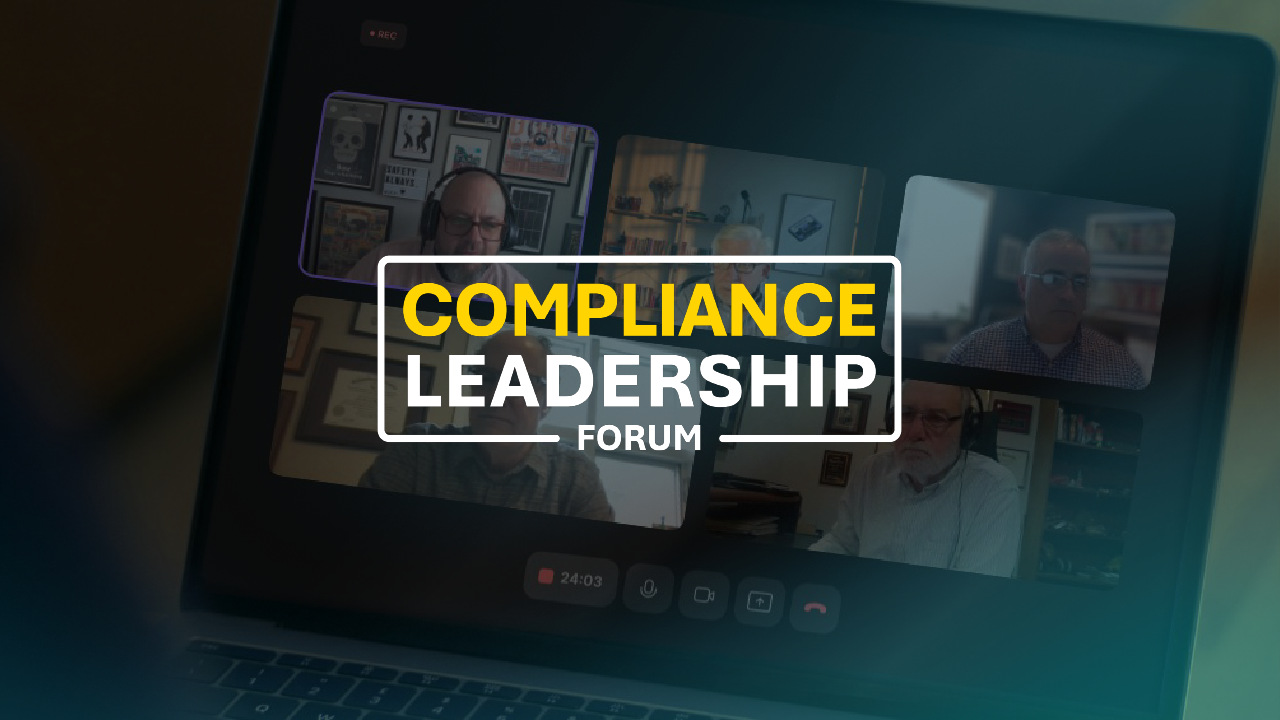
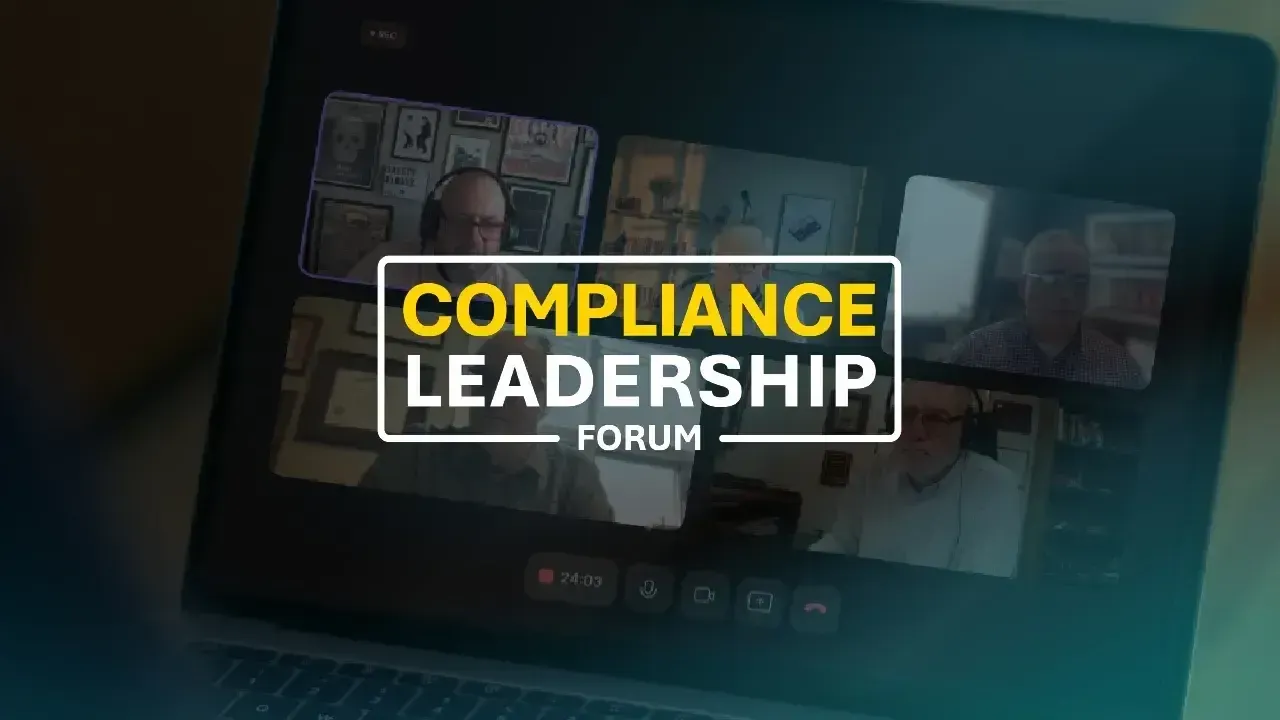
Compliance Leadership Forum title slide on a dark blue screen with yellow and white text.
By Ashley Jesko February 26, 2026
Energy Worldnet (EWN) hosted the first-ever Compliance Leadership Forum (CLF)—a peer-to-peer space designed for candid, practical conversations about pipeline compliance and safety. Hosted by James Cross (Chief Experience Officer, EWN), the session brought together more than 150 years of combined experience from former state and federal regulators and industry leaders. Meet the panel Kevin Speicher, Senior Regulatory Advisor, EWN; former Chief of Pipeline Safety, New York State Department of Public Service Steve Allen, former Director of Pipeline Safety, State of Indiana; longtime PSMS advocate and former EWN executive Alan Mayberry, former PHMSA Associate Administrator, now with Jana and serving on boards focused on advanced risk and geohazards Jeff Wiese, former PHMSA Associate Administrator; former offshore operations leader; longtime safety management advocate The tone was clear from the start: no judgment, anonymous questions, and a focus on what operators can actually do next.
EWN PHMSA Update graphic with “Read More” on a dark teal background
By Kevin Speicher February 19, 2026
PHMSA has issued Advisory Bulletin ADB-2026-04, reminding gas pipeline, underground natural gas storage (UNGS), and LNG operators that incidents must be reported to the National Response Center (NRC) at the earliest practicable moment — and no later than one hour after confirmed discovery.

Show More