
Pipeline Safety Management System: Leadership & Management Commitment

Energy Worldnet (EWN) • September 24, 2018

Share this article

PSMS is not just another program you purchase, read, and place on the shelf until next year. It is a culture of safety and accountability that begins with leaders and managers and works all the way down to employees and contractors. PSMS is not a regulatory requirement that you check off your list as complete either. It is something you do voluntarily because you believe in it – because it's the right thing to do.

Buy-in from leadership and management is the first step toward ensuring that your PSMS program gets off the ground and progresses forward. But, what will motivate leaders and managers to buy in to this cultural change? After all, it's not a specific regulatory requirement.

Leadership and Management Commitment is the first element of a PSMS, so let's begin with identifying the three key players that can make that element successful. These key players are your top-level managers, middle managers, and employees. Each of these groups has a crucial role in demonstrating commitment to a Pipeline Safety Management System.

Top-Level Management

Top-Level Management, also known as your C-Suite, refers to your Chief Executive Officer, Chief Operating Officer, Chief Financial Officer, etc. These officials play a crucial part in leading the company towards its vision. If your vision is to minimize or reduce pipeline incidents caused by human error (which, incidentally, is a regulatory requirement of the Final Operator Qualification Rule), then what are you doing today to lead your company towards this vision?

Top-level leadership should demonstrate support for this commitment, establish goals and measurable objectives, and make communication, risk reduction, and continuous improvements that align with your organization's vision.

But why do you do this? Your "why" is the answer that will help you to create a culture where your employee's beliefs, perceptions, and attitudes reflect a voluntary desire to follow a continuous improvement process to be safer and to be better. These drivers can have a very direct impact on a company's bottom line, public perception, and employee engagement.

Middle Management

So, what is the responsibility of middle management in the PSMS Program? Middle management consists of your managers, supervisors, and foremen. These individuals do more than just point out the safety posters and labels in the workplace. They ensure that the plans, policies, and procedures in place are being followed. They execute day-to-day work activities and establish performance measures for the personnel responsible for PSMS elements. They also conduct regular reviews of progress and nurture the safety culture.

Middle management follows the lead of top-level management. Together, they set the example for employees in the workplace. If either key player takes short-cuts, disregards safety, or accepts deviation from policies and regulations, employees will learn to be complacent; likewise, if key players demonstrate safety and set clear outcomes and expectations for their workforce, employees will learn to do the right thing because they, too, believe in the organization's vision.

Employees

The third key player, equally important as the other two, is the employee. If a safety culture is cultivated in an organization, it will be easier for employees to embrace Pipeline Safety Management Systems. To promote engagement, companies should ensure that employees have a voice within the organization. Doing this will empower employees to willingly desire to identify and report risks, suggest potential improvements, and act to prevent or minimize incidents.

Establishing a safety culture can help engage employees, and engaged employees become safe employees. If your employees are disengaged, or if you are seeing a high percentage of incidents, ask your employees how things would change for families and friends if they, or one of their co-workers, were severely injured, disabled or killed because of short-cutting safety measures. Sometimes, facing brutal potential realities can help an organization make positive changes and introduce a new safety culture where employees are fully vested in their work.

A Collaborative Approach

For a PSMS program to be successful, it takes a collaborative approach. No one key player can pull the weight when it comes to cultivating a successful PSMS program. From the CEO to the field hand, everyone must buy into the idea that safety is the top priority, and everyone must contribute.

What are the first steps in approaching the implementation of a Pipeline Safety Management System?

  1. Start with establishing a strong safety culture
  2. Utilize tools such as a PSMS program to help increase the level of safety and decrease risks, incidents, and accidents on your pipeline facility
  3. Talk with your company's top leaders and managers. Without their full support and commitment, a safety management system is doomed from the beginning.

If the leaders of a company can commit, then everyone in the company will benefit.

Recent Posts

By Kevin Speicher July 24, 2026
PHMSA just issued ADB-2026-06, an advisory bulletin reminding gas distribution operators of their existing obligations under 49 CFR Part 192, subpart P.

By Kevin Speicher July 22, 2026
On July 30, 2026 PHMSA is bringing the Gas Pipeline Advisory Committee & the Liquid Pipeline Advisory Committee together for a virtual meeting.
By Energy Worldnet (EWN) July 10, 2026
EWN's Regulatory Advisory Group breaks down RP 1173, PHMSA's new leadership, ECA rulemaking, multi-state OQ compliance, and PSMS for small operators.
By Kevin Speicher June 24, 2026
PHMSA's new approach of issuing 40+ targeted rulemakings instead of mega rules, and what the substantive changes mean for pipeline operators.
By Kevin Speicher June 24, 2026
PHMSA's Technical Pipeline Safety Standards Committee (GPAC) met on May 28, 2026, to work through the Safety of Gas Distribution Pipelines rule. Here's what happened and what operators need to know.
By Kevin Speicher June 19, 2026
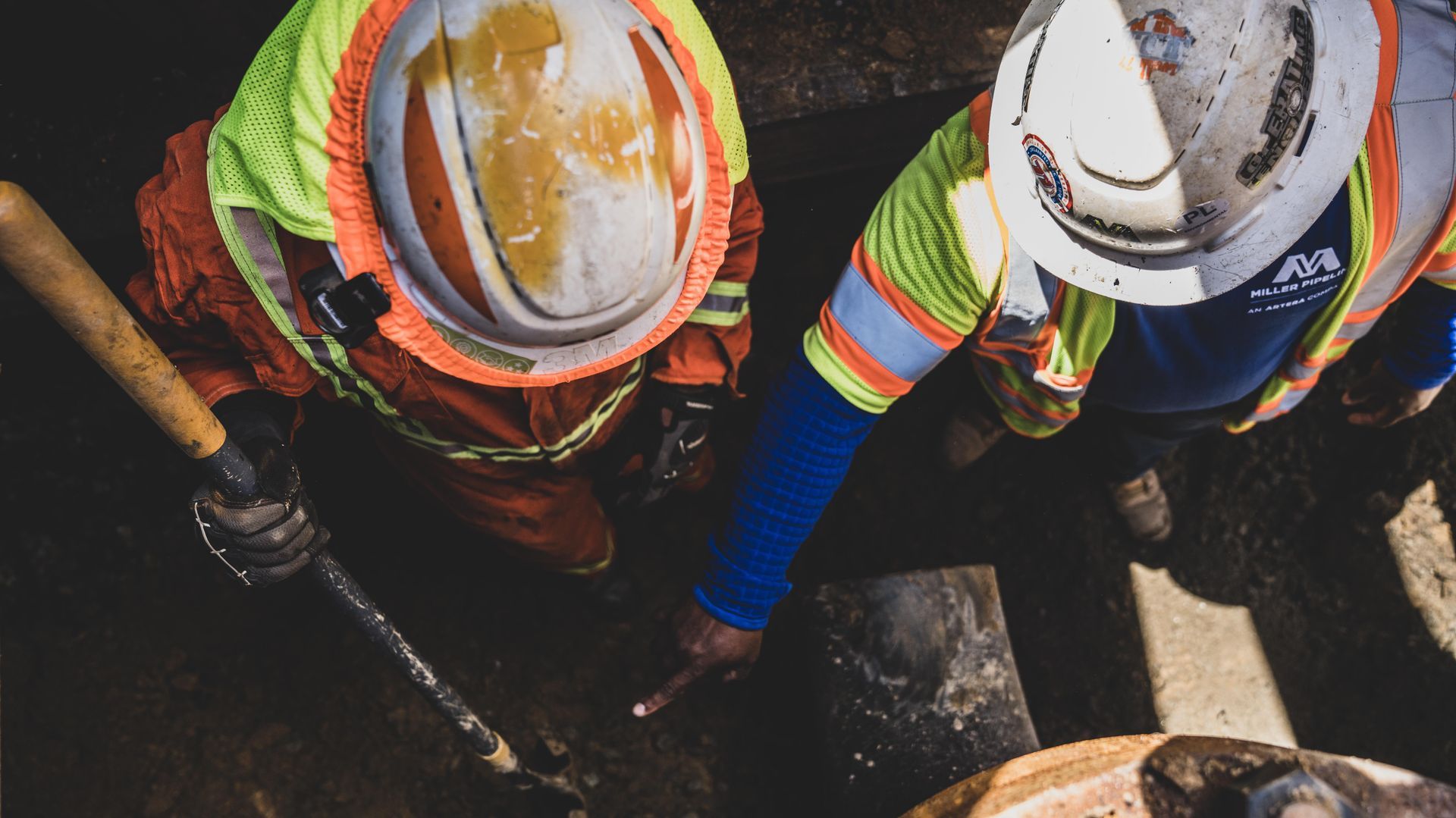
Span of control refers to the practice of allowing an unqualified worker to perform a covered task while being directed and observed by a qualified person.
By Energy Worldnet (EWN) May 27, 2026
Former PHMSA leaders discuss PSMS, OQ, safety culture, contractor oversight, and the future of pipeline safety and compliance.
By Kevin Speicher April 30, 2026
PHMSA reinforcing sharper operational expectations: excavation damage remains one of the leading threats to pipeline safety.
Compliance Leadership Forum title slide on a dark blue screen with yellow and white text.
By Ashley Jesko February 26, 2026
Energy Worldnet (EWN) hosted the first-ever Compliance Leadership Forum (CLF)—a peer-to-peer space designed for candid, practical conversations about pipeline compliance and safety. Hosted by James Cross (Chief Experience Officer, EWN), the session brought together more than 150 years of combined experience from former state and federal regulators and industry leaders. Meet the panel Kevin Speicher, Senior Regulatory Advisor, EWN; former Chief of Pipeline Safety, New York State Department of Public Service Steve Allen, former Director of Pipeline Safety, State of Indiana; longtime PSMS advocate and former EWN executive Alan Mayberry, former PHMSA Associate Administrator, now with Jana and serving on boards focused on advanced risk and geohazards Jeff Wiese, former PHMSA Associate Administrator; former offshore operations leader; longtime safety management advocate The tone was clear from the start: no judgment, anonymous questions, and a focus on what operators can actually do next.
EWN PHMSA Update graphic with “Read More” on a dark teal background
By Kevin Speicher February 19, 2026
PHMSA has issued Advisory Bulletin ADB-2026-04, reminding gas pipeline, underground natural gas storage (UNGS), and LNG operators that incidents must be reported to the National Response Center (NRC) at the earliest practicable moment — and no later than one hour after confirmed discovery.

Show More