
Upstream, Midstream, Downstream: A Quick Guide to the Natural Gas Process


By Michaela Causey October 14, 2024

Whether you work in the oil and gas industry or not, you've probably heard the terms "upstream," "midstream," and "downstream" before. But do you know what they mean?

In a nutshell, these terms describe the different stages in the natural gas process, from its exploration and production (upstream) all the way to its delivery to the end consumer (downstream).

Let's take a closer look at each stage.

Upstream

The upstream stage is known as the exploration and production, or E&P, phase. At this stage, exploration companies attempt to locate natural gas reservoirs using geological methods and seismic surveys. After a potential reservoir has been located, production companies extract gas from the ground using drill rigs and wellheads. However, extracted gas contains many impurities, like water and hydrogen sulfide, that need to be removed. This is where field processing comes in.

Production companies transport gas from wells to a processing plant through gathering lines. Once at the plant, natural gas goes through a multi-stage process that removes impurities and treats it to meet regulatory requirements. Natural gas is "pipeline quality" when it is dry, meaning it is composed of mostly methane (70-90%) and negligible amounts of other impurities.

Midstream

After field processing, gas is sent to midstream companies who either transport it to local distribution companies (LDCs) or large customers or store it in special facilities. Both transporting and storing gas are part of the midstream stage, which involves intrastate and interstate pipelines, compression stations, any vehicles that transport product, and storage facilities.

Storage facilities for natural gas include depleted reservoirs, aquifers, and salt caverns. When these storage options are unavailable, natural gas can also be liquefied and stored in a specialized facility. Since liquified natural gas (LNG) has 600 times less volume, it is more efficient to transport and store.

Downstream

Downstream is the final stage of the gas production process and includes the distribution of natural gas to the consumer. Gas ownership is transferred from the producer or pipeline company to the LDC at the city gate or the end of a particular pipeline. LDCs are responsible for delivering gas to consumers through a distribution system. These systems use pipelines called "distribution lines," which are small steel or polyethylene (PE) pipes that deliver the product to end customers, such as businesses and homes.

Like what you read?

EWN is the most trusted provider of Operator Qualification (OQ) training and helps Operators meet their OQ and OSHA compliance needs. We have an extensive library of pre-written OQ courses. We also offer many other services, including custom content (training) to fit an Operator's specific OQ program needs.

If you liked this blog, you might also be interested in our History of Gas computer-based training (CBT), which covers the historical progression of natural gas from its discovery thousands of years ago to the modern-day processes.

New to EWN? Interested in more natural gas training? Contact us today!

Already a client? Click here or talk to your account manager for more details on how you can get started with our History of Gas CBT.

This is your promotional banner

This is the text area for this paragraph


Insights to fuel your marketing business

Sign up to get industry insights, trends, and more in your inbox.

Contact Us

SHARE THIS

Latest Posts

By Kevin Speicher July 24, 2026
PHMSA just issued ADB-2026-06, an advisory bulletin reminding gas distribution operators of their existing obligations under 49 CFR Part 192, subpart P.

By Kevin Speicher July 22, 2026
On July 30, 2026 PHMSA is bringing the Gas Pipeline Advisory Committee & the Liquid Pipeline Advisory Committee together for a virtual meeting.

By Energy Worldnet (EWN) July 10, 2026
EWN's Regulatory Advisory Group breaks down RP 1173, PHMSA's new leadership, ECA rulemaking, multi-state OQ compliance, and PSMS for small operators.
By Kevin Speicher June 24, 2026
PHMSA's new approach of issuing 40+ targeted rulemakings instead of mega rules, and what the substantive changes mean for pipeline operators.
By Kevin Speicher June 24, 2026
PHMSA's Technical Pipeline Safety Standards Committee (GPAC) met on May 28, 2026, to work through the Safety of Gas Distribution Pipelines rule. Here's what happened and what operators need to know.
By Kevin Speicher June 19, 2026
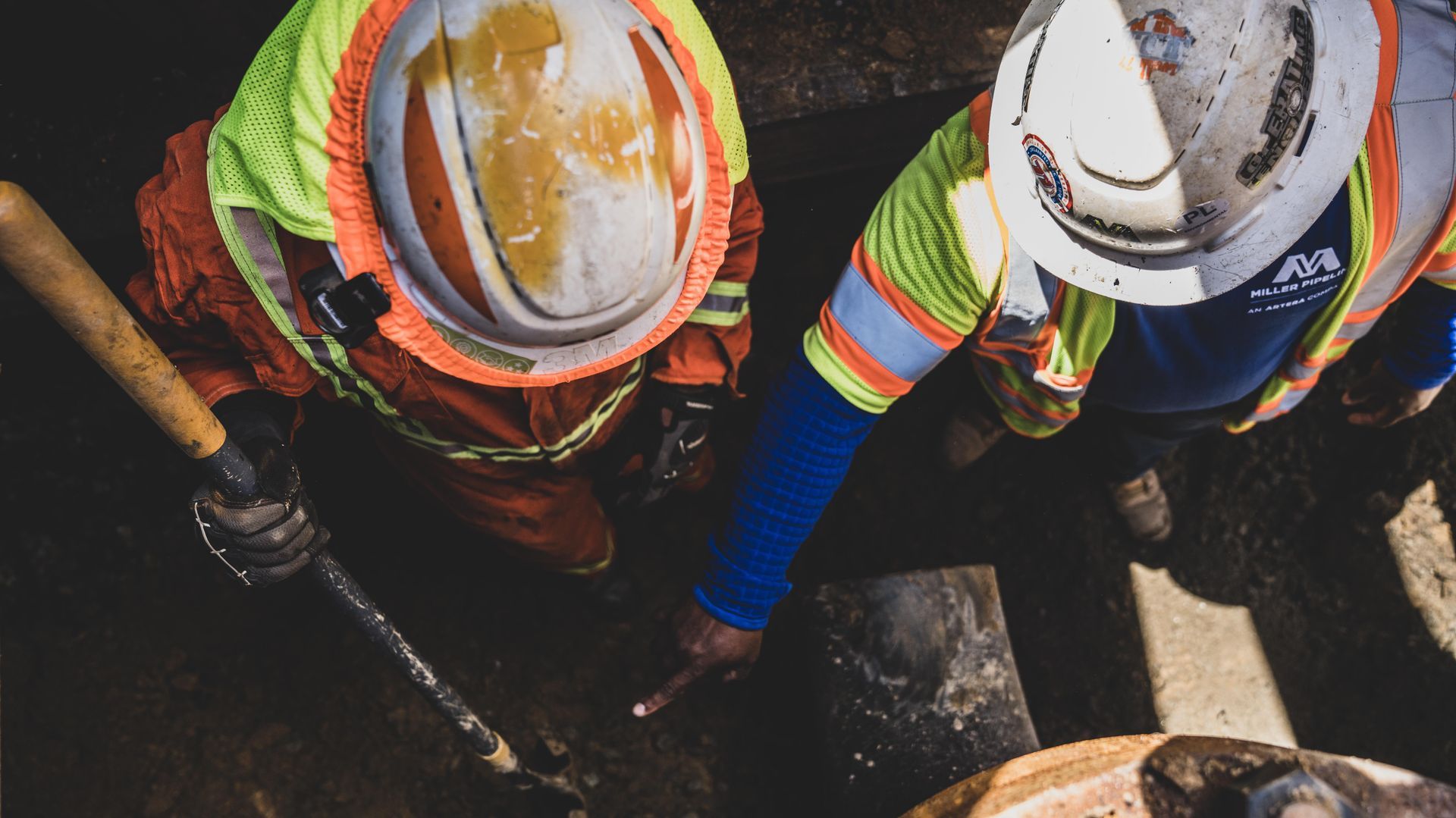
Span of control refers to the practice of allowing an unqualified worker to perform a covered task while being directed and observed by a qualified person.
By Energy Worldnet (EWN) May 27, 2026
Former PHMSA leaders discuss PSMS, OQ, safety culture, contractor oversight, and the future of pipeline safety and compliance.
By Kevin Speicher April 30, 2026
PHMSA reinforcing sharper operational expectations: excavation damage remains one of the leading threats to pipeline safety.
Compliance Leadership Forum title slide on a dark blue screen with yellow and white text.
By Ashley Jesko February 26, 2026
Energy Worldnet (EWN) hosted the first-ever Compliance Leadership Forum (CLF)—a peer-to-peer space designed for candid, practical conversations about pipeline compliance and safety. Hosted by James Cross (Chief Experience Officer, EWN), the session brought together more than 150 years of combined experience from former state and federal regulators and industry leaders. Meet the panel Kevin Speicher, Senior Regulatory Advisor, EWN; former Chief of Pipeline Safety, New York State Department of Public Service Steve Allen, former Director of Pipeline Safety, State of Indiana; longtime PSMS advocate and former EWN executive Alan Mayberry, former PHMSA Associate Administrator, now with Jana and serving on boards focused on advanced risk and geohazards Jeff Wiese, former PHMSA Associate Administrator; former offshore operations leader; longtime safety management advocate The tone was clear from the start: no judgment, anonymous questions, and a focus on what operators can actually do next.
EWN PHMSA Update graphic with “Read More” on a dark teal background
By Kevin Speicher February 19, 2026
PHMSA has issued Advisory Bulletin ADB-2026-04, reminding gas pipeline, underground natural gas storage (UNGS), and LNG operators that incidents must be reported to the National Response Center (NRC) at the earliest practicable moment — and no later than one hour after confirmed discovery.

Show More