What is ASME B31Q?

Energy Worldnet (EWN) • November 17, 2021

Share this article

Pipelines offer a comparatively safe way to transport fuels and chemicals. They're less vulnerable to damage than tanker trucks or trains. Nevertheless, pipe leaks and ruptures have caused serious harm to surrounding communities, infrastructure, and the environment. These costly accidents frequently occur as a result of mistakes made by industry personnel, according to the American National Standards Institute. Businesses can avoid such errors by prioritizing safety and ensuring that their employees receive all of the necessary training. The ASME B31Q standard provides helpful guidance.

The Basics of ASME B31Q

In 2006, the American Society of Mechanical Engineers introduced B31Q. This highly respected nonprofit organization has existed for over a century. It generally updates the standard every two to four years, according to GlobalSpec. Pipeline operators, contractors, and inspectors can benefit from following ASME B31Q. The guidelines pertain to pipes carrying gases or fluids. However, they don't cover the initial design of new lines. Companies that apply B31Q may need to make significant changes to their hiring, training, management, and operating procedures.

What It Covers

The standard helps businesses set minimum qualifications for workers who carry out safety-related tasks. It confirms that staff members have adequate education, training, and experience to perform this work. Job requirements hold little meaning when a supervisor doesn't know if a specific employee needs to meet them. Consequently, ASME B31Q precisely identifies the tasks that affect pipeline safety and call for special qualifications. This guidance makes it easier to determine when new or existing personnel need further training to perform their jobs competently. The ASME used best practices and technical data from the pipeline industry to develop its recommendations.

Relevant Tasks

This standard offers qualification guidance for a wide range of jobs that range from line repairs to pressure testing and inspections. It lists each safety-oriented task under one of 12 major categories. For instance, the "Meter Sets" section includes customer meter installation, temporary line isolation, service valve maintenance, and disconnections. Categories like "Pipe Installation" and "Pipeline Tapping" contain much longer task lists. All of these objectives have the potential to prevent or trigger dangerous accidents, so employees must meet certain training requirements before they perform the work. Less-skilled personnel may complete tasks that don't appear on these lists (unless a different standard covers them).

Evaluating Risks

The Fault Tree Task Identification Process is an important safety method prescribed by ASME B31Q. Pipeline staff can benefit from learning this technique when they undergo training and remembering to incorporate it into daily routines. It helps them recognize possible dangers and take action to prevent accidents or reduce harmful consequences. The method involves analyzing nine major causes of failure. They include pipe defects, natural disasters, operator error, and three types of corrosion. In some situations, leakage occurs due to the combined effects of multiple problems.

This method often enables workers to detect the underlying cause of a pipeline rupture rather than simply identifying the event that triggered it. For example, operators shouldn't solely blame severe weather for damaging a mismanufactured or heavily corroded line. A thorough understanding of this concept can help pipeline personnel anticipate adverse events and take appropriate safety precautions. Workers frequently succeed in reducing negative impacts when they take the time to fully assess all potential risks using the Fault Tree Task Identification Process.

Why ASME B31Q Matters

Although it takes money and effort to consistently implement a complex standard, companies can easily find many compelling reasons to follow B31Q. It often enhances compliance with government regulations. More importantly, the guidelines prevent accidents that could result in loss of life, severe injuries, and lasting environmental harm. They can also protect businesses from the financial burdens associated with ruptured pipes. A serious incident may trigger legal action, fines, repair expenses, and higher insurance premiums while reducing normal operating income. It could also lead to negative publicity for specific firms and possibly the entire industry. These repercussions may prompt the government to enforce stricter regulations for years to come.

To sum it up, companies use ASME B31Q to ensure that well-qualified staff members perform all safety-related tasks. An employer can refer to the standard to see if a worker needs to meet certain job requirements before sealing pipe joints or performing ultrasonic testing. It offers the specialized guidance needed to provide each employee with the optimal amount of training. The standard also recommends useful safety assessment practices. If your business needs help implementing the latest version of ASME B31Q, please contact Energy Worldnet to learn about our superior training services and expertise.

Recent Posts

By Kevin Speicher July 24, 2026
PHMSA just issued ADB-2026-06, an advisory bulletin reminding gas distribution operators of their existing obligations under 49 CFR Part 192, subpart P.

By Kevin Speicher July 22, 2026
On July 30, 2026 PHMSA is bringing the Gas Pipeline Advisory Committee & the Liquid Pipeline Advisory Committee together for a virtual meeting.

By Energy Worldnet (EWN) July 10, 2026
EWN's Regulatory Advisory Group breaks down RP 1173, PHMSA's new leadership, ECA rulemaking, multi-state OQ compliance, and PSMS for small operators.
By Kevin Speicher June 24, 2026
PHMSA's new approach of issuing 40+ targeted rulemakings instead of mega rules, and what the substantive changes mean for pipeline operators.
By Kevin Speicher June 24, 2026
PHMSA's Technical Pipeline Safety Standards Committee (GPAC) met on May 28, 2026, to work through the Safety of Gas Distribution Pipelines rule. Here's what happened and what operators need to know.
By Kevin Speicher June 19, 2026
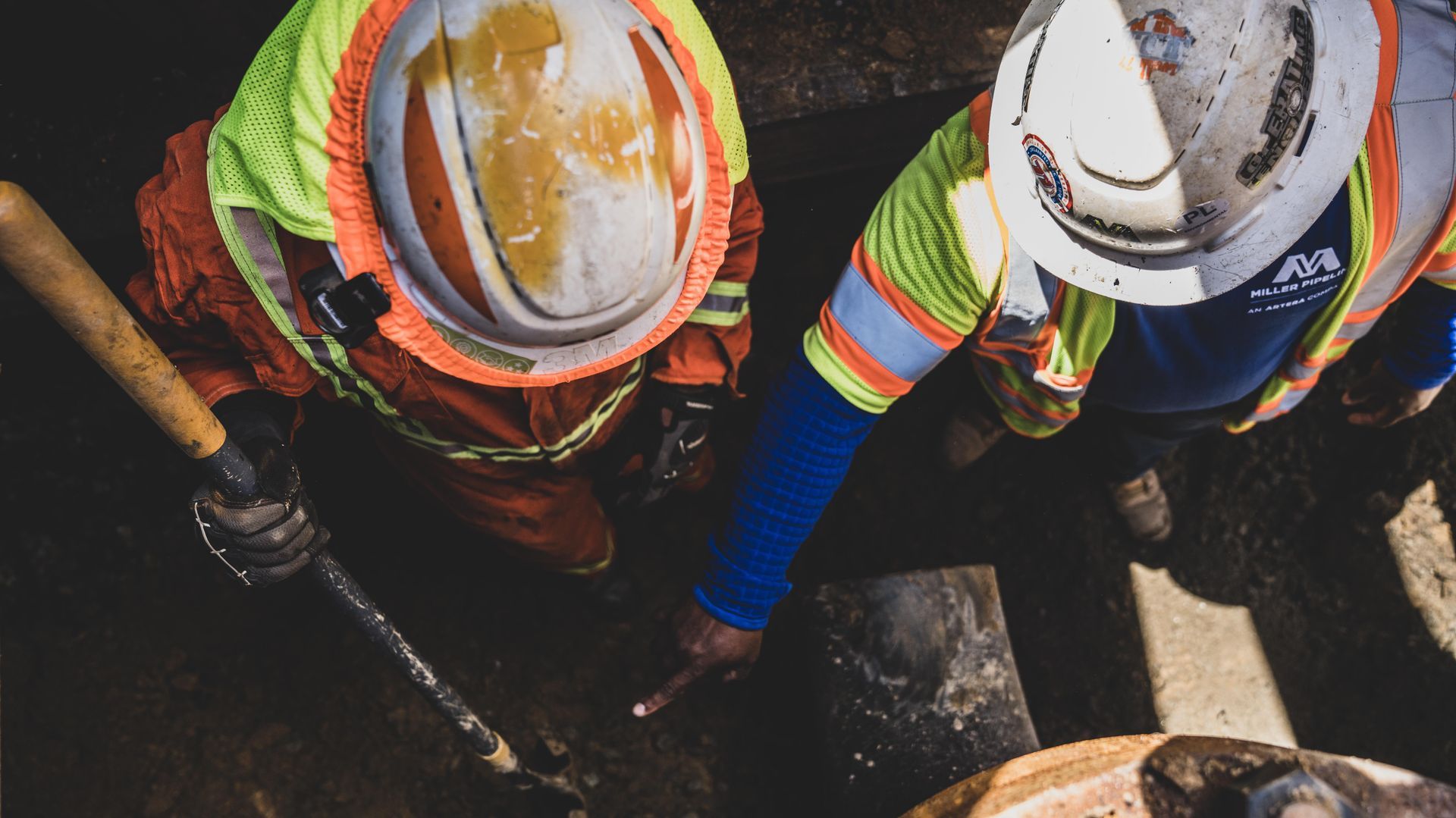
Span of control refers to the practice of allowing an unqualified worker to perform a covered task while being directed and observed by a qualified person.

By Energy Worldnet (EWN) May 27, 2026
Former PHMSA leaders discuss PSMS, OQ, safety culture, contractor oversight, and the future of pipeline safety and compliance.
By Kevin Speicher April 30, 2026
PHMSA reinforcing sharper operational expectations: excavation damage remains one of the leading threats to pipeline safety.
Compliance Leadership Forum title slide on a dark blue screen with yellow and white text.
By Ashley Jesko February 26, 2026
Energy Worldnet (EWN) hosted the first-ever Compliance Leadership Forum (CLF)—a peer-to-peer space designed for candid, practical conversations about pipeline compliance and safety. Hosted by James Cross (Chief Experience Officer, EWN), the session brought together more than 150 years of combined experience from former state and federal regulators and industry leaders. Meet the panel Kevin Speicher, Senior Regulatory Advisor, EWN; former Chief of Pipeline Safety, New York State Department of Public Service Steve Allen, former Director of Pipeline Safety, State of Indiana; longtime PSMS advocate and former EWN executive Alan Mayberry, former PHMSA Associate Administrator, now with Jana and serving on boards focused on advanced risk and geohazards Jeff Wiese, former PHMSA Associate Administrator; former offshore operations leader; longtime safety management advocate The tone was clear from the start: no judgment, anonymous questions, and a focus on what operators can actually do next.
EWN PHMSA Update graphic with “Read More” on a dark teal background
By Kevin Speicher February 19, 2026
PHMSA has issued Advisory Bulletin ADB-2026-04, reminding gas pipeline, underground natural gas storage (UNGS), and LNG operators that incidents must be reported to the National Response Center (NRC) at the earliest practicable moment — and no later than one hour after confirmed discovery.

Show More