What Are the Elements of an Operator Qualification (OQ) Program?

Energy Worldnet (EWN) • August 17, 2026

Share this article

A complete, text-based breakdown of all nine provisions under 49 CFR 192.805 — every element explained in full, nothing gated behind a download.

Every gas pipeline operator's OQ program is built on nine provisions set out in 49 CFR 192.805(a) through (i): identify covered tasks, qualify people through evaluation, allow supervised work by the not-yet-qualified, re-evaluate after an incident or suspected loss of qualification, communicate changes, set evaluation intervals, provide training, and notify regulators of significant program changes. Hazardous liquid operators follow the equivalent structure under 49 CFR 195, Subpart G.

Key Takeaways

  • OQ program requirements for gas pipelines come from 49 CFR 192.805(a)-(i); hazardous liquid operators follow 195 Subpart G.
  • All nine provisions apply to anyone performing a "covered task" — defined in §192.801(b) as a pipeline O&M activity, required by Part 192, that affects the pipeline's operation or integrity.
  • Work performance history alone stopped being an acceptable sole evaluation method after October 28, 2002. On-the-job observation alone stopped being enough after December 16, 2004.
  • Records of current qualification must be kept while the person performs the task; records of lapsed or prior qualification must be retained for 5 years under §192.807.
  • A significant change to an already-verified OQ program must be reported to PHMSA or the relevant state agency under §192.805(i).

The 9 Elements, One by One

1. Identify your covered tasks — §192.805(a)

A covered task, per §192.801(b), is any activity performed on a pipeline facility, as part of operations or maintenance, required by Part 192, that affects the pipeline's operation or integrity. Get this list wrong — too narrow — and everything built on top of it is wrong too.

2. Qualify individuals through evaluation — §192.805(b)

"Evaluation" under §192.803 can mean a written exam, an oral exam, a work performance history review, observation (on the job, in training, or in simulation), or another documented assessment method. "Qualified" means the person can both perform the task and recognize and react to an abnormal operating condition — not just complete the task under normal circumstances.

3. Allow supervised work by the not-yet-qualified — §192.805(c)

Someone who isn't qualified can still perform a covered task, but only if a qualified individual directs and observes them doing it.

4. Re-evaluate after an incident — §192.805(d)

If an operator has reason to believe someone's performance of a covered task contributed to a Part 191 incident, that person gets re-evaluated.

5. Re-evaluate on suspected loss of qualification — §192.805(e)

Separately from an incident, if there's reason to believe someone is no longer qualified, they get re-evaluated too.

6. Communicate changes — §192.805(f)

When something changes that affects a covered task, the people who perform that task have to be told.

7. Set tasks and evaluation intervals — §192.805(g)

The operator identifies which covered tasks need periodic re-evaluation and sets the interval — this is the operator-determined piece that sits behind the distinction between reevaluation and requalification.

8. Provide training as appropriate — §192.805(h)

Since December 16, 2004, operators must provide training so people have the knowledge and skills to perform covered tasks safely — not assumed, provided.

9. Notify regulators of significant program changes — §192.805(i)

Since December 16, 2004, if an operator significantly modifies a program PHMSA or a state agency has already verified, that change has to be reported, per §192.18.

Expert note: Two of these provisions have a phase-out history worth knowing. Work performance history could be used as the sole evaluation method only for people already performing a covered task before October 26, 1999 — after October 28, 2002, it can't be the only method for anyone. On-the-job observation stopped being sufficient as a sole method after December 16, 2004. A program still leaning on either as its only evaluation method has a gap that predates almost everyone currently on staff.

What §192.807 Requires You to Keep on Record

Qualification records need to show who's qualified, for which covered tasks, the date of current qualification, and the method used to qualify them. Current records stay on file for as long as the person is performing the task. Once someone stops performing a task or their qualification lapses, that record doesn't disappear — it has to be retained for five years.


The nine provisions in 49 CFR 192.805 work as one system. Operators start by identifying their covered tasks, then qualify people through evaluation and allow only supervised work by anyone not yet qualified. The program stays current through re-evaluation after incidents or suspected loss of qualification, communication of changes, and set evaluation intervals. Training and regulator notification of significant program changes round it out. Weakness in any one element undermines the rest, and the most common failure is a covered task list that is too narrow. Records under §192.807 are the proof that the program works. Keep them current for as long as someone performs a task, and retain lapsed records for five years. Operators still relying on work performance history or on-the-job observation as their only evaluation method should close that gap now. Hazardous liquid operators follow the parallel structure in 49 CFR 195, Subpart G.

Recent Posts

By EWN Compliance Team • September 16, 2026
Up to half the utility workforce could retire within a decade. Here's why OQ onboarding speed, not headcount alone, is becoming the real safety variable.

Construction worker in hard hat and safety vest sitting on scaffolding, looking upward
By Kevin Speicher • July 24, 2026
PHMSA just issued ADB-2026-06, an advisory bulletin reminding gas distribution operators of their existing obligations under 49 CFR Part 192, subpart P.

By Kevin Speicher • July 22, 2026
On July 30, 2026 PHMSA is bringing the Gas Pipeline Advisory Committee & the Liquid Pipeline Advisory Committee together for a virtual meeting.
By Energy Worldnet (EWN) • July 10, 2026
EWN's Regulatory Advisory Group breaks down RP 1173, PHMSA's new leadership, ECA rulemaking, multi-state OQ compliance, and PSMS for small operators.
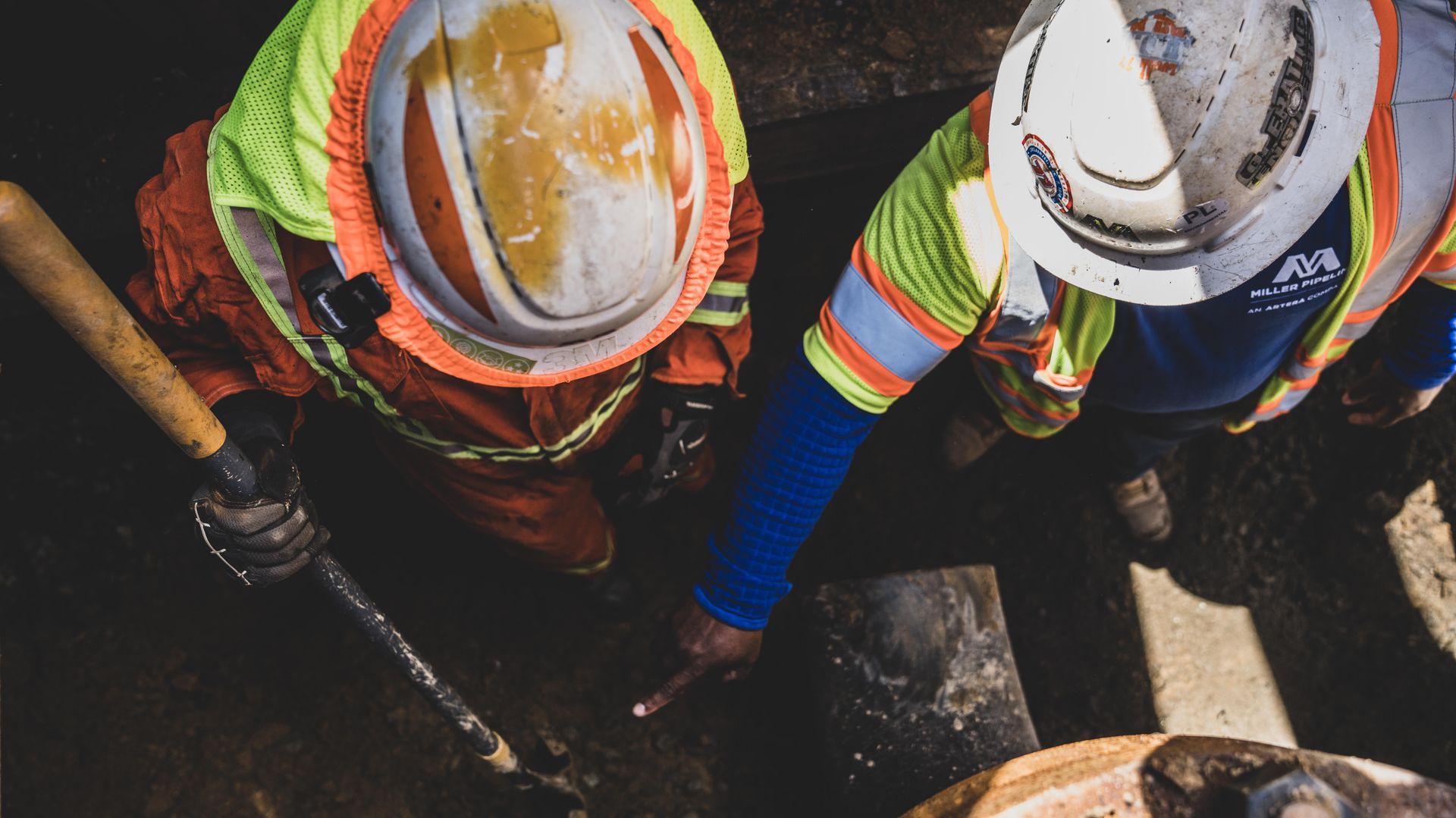
By Kevin Speicher • June 24, 2026
PHMSA's new approach of issuing 40+ targeted rulemakings instead of mega rules, and what the substantive changes mean for pipeline operators.
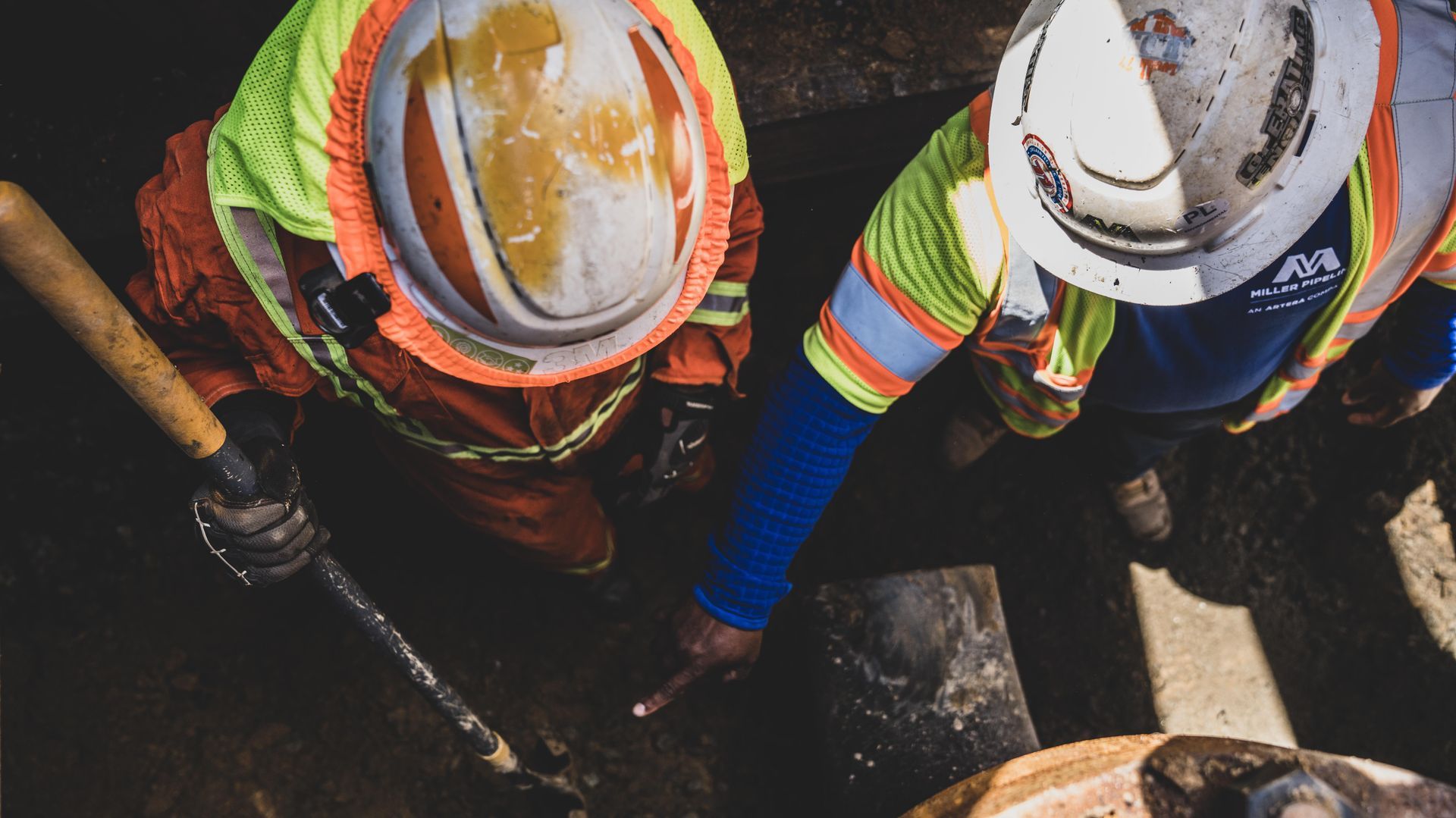
Two utility workers in hard hats inspect a trench with shovels.
By Kevin Speicher • June 24, 2026
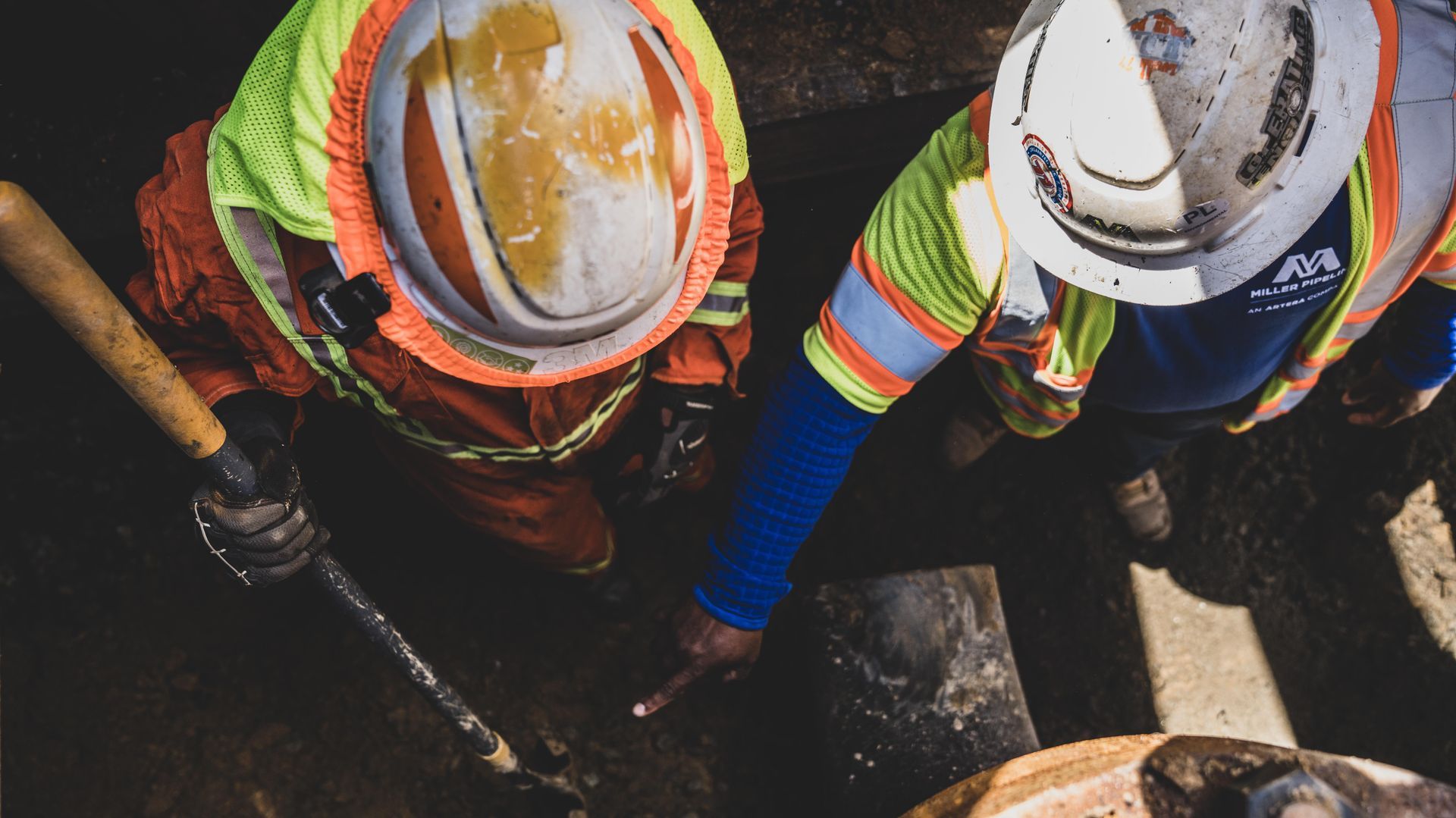
PHMSA's Technical Pipeline Safety Standards Committee (GPAC) met on May 28, 2026, to work through the Safety of Gas Distribution Pipelines rule. Here's what happened and what operators need to know.
By Kevin Speicher • June 19, 2026
Span of control refers to the practice of allowing an unqualified worker to perform a covered task while being directed and observed by a qualified person.
By Energy Worldnet (EWN) • May 27, 2026
Former PHMSA leaders discuss PSMS, OQ, safety culture, contractor oversight, and the future of pipeline safety and compliance.
By Kevin Speicher • April 30, 2026
PHMSA reinforcing sharper operational expectations: excavation damage remains one of the leading threats to pipeline safety.
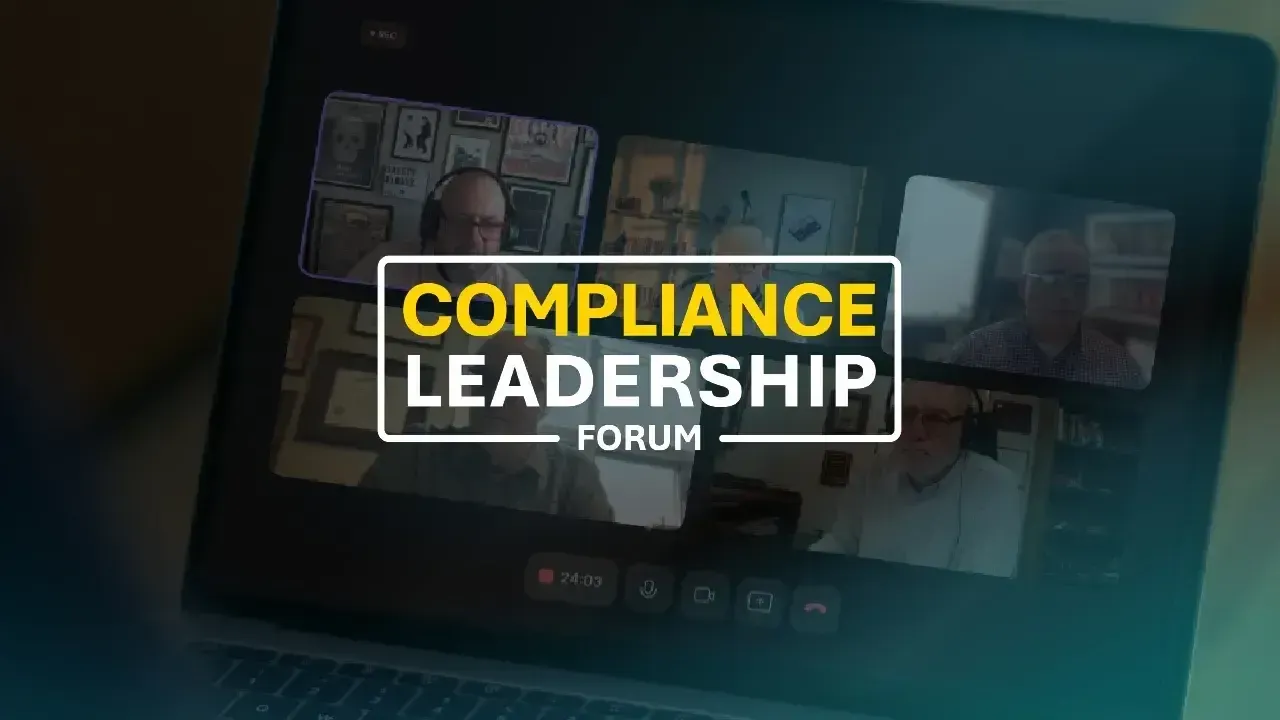
Compliance Leadership Forum title slide on a dark blue screen with yellow and white text.
By Ashley Jesko • February 26, 2026
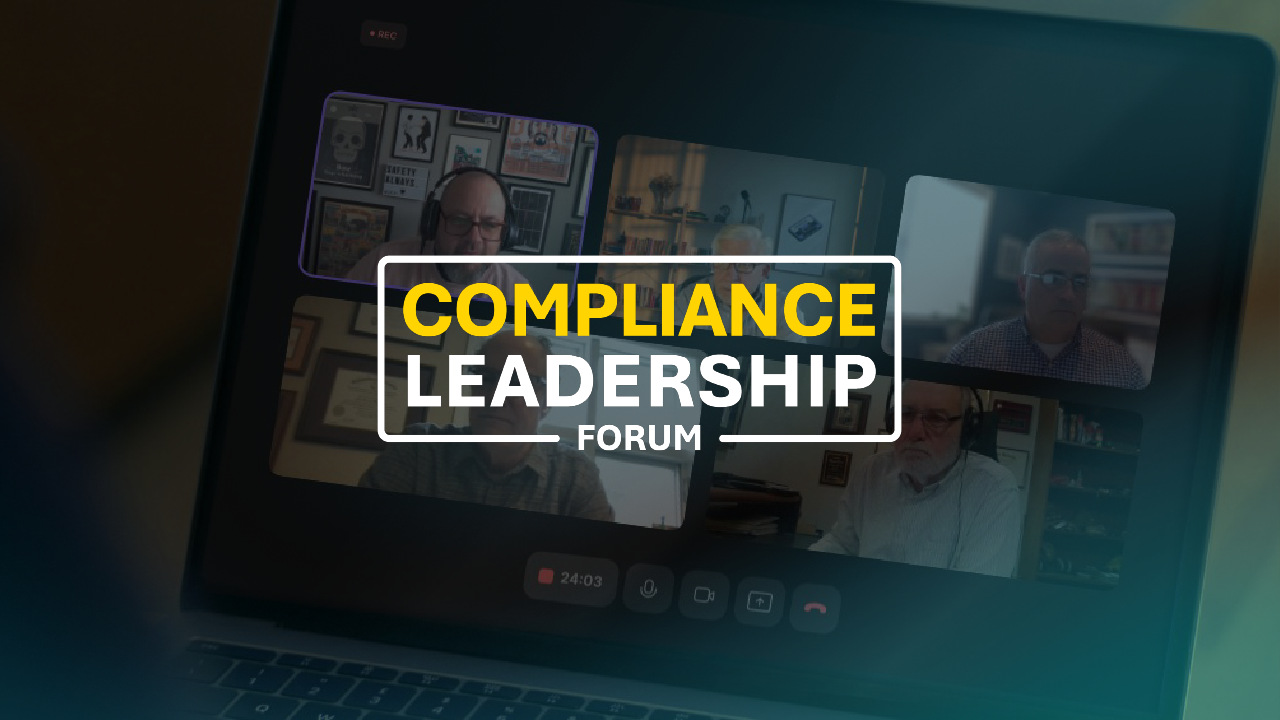
Energy Worldnet (EWN) hosted the first-ever Compliance Leadership Forum (CLF)—a peer-to-peer space designed for candid, practical conversations about pipeline compliance and safety. Hosted by James Cross (Chief Experience Officer, EWN), the session brought together more than 150 years of combined experience from former state and federal regulators and industry leaders. Meet the panel Kevin Speicher, Senior Regulatory Advisor, EWN; former Chief of Pipeline Safety, New York State Department of Public Service Steve Allen, former Director of Pipeline Safety, State of Indiana; longtime PSMS advocate and former EWN executive Alan Mayberry, former PHMSA Associate Administrator, now with Jana and serving on boards focused on advanced risk and geohazards Jeff Wiese, former PHMSA Associate Administrator; former offshore operations leader; longtime safety management advocate The tone was clear from the start: no judgment, anonymous questions, and a focus on what operators can actually do next.

Show More