
7 Ways Professional Development Training Strengthens Your OQ Program

Energy Worldnet (EWN) • November 14, 2023

Share this article

What is Professional Development?

It's no secret that today's business landscape is more competitive than ever, and many employers are seeking new ways to rival their competition while still meeting their workforce's needs for personal growth.

7 ways professional development training can strengthen your workforce and OQ program

Investing in employees' professional development is one way employers today are gaining an edge over their competition. More and more, employers are realizing that professional development training yields both financial benefits for them and personal benefits for their workforce.

So What Exactly is Professional Development?

In a broad sense, professional development is continuing education and training that provides an individual with the necessary skills needed for their current or future position. Employees seek professional development opportunities to grow their knowledge in a certain area and learn new skills for the work they do.

Professional development opportunities can range from returning to school to completing a new certification to taking training focused on specific skills. Professional development also includes the development of interpersonal skills, which are skills related to how we interact with each other.

But how does professional development training benefit pipeline Operators?

Without a doubt, technical skills are extremely important for the safety and efficiency of your operations. But don't overlook the benefits of training your workforce's interpersonal skills.

Interpersonal skills are the skills individuals use to communicate, interact, and collaborate with one another. These include active listening, empathy, negotiation, conflict resolution, and more. With the help of professional development training, employees can improve their interpersonal skills.

Here are just seven of the many ways professional development training can benefit your OQ program and create a more skilled workforce.

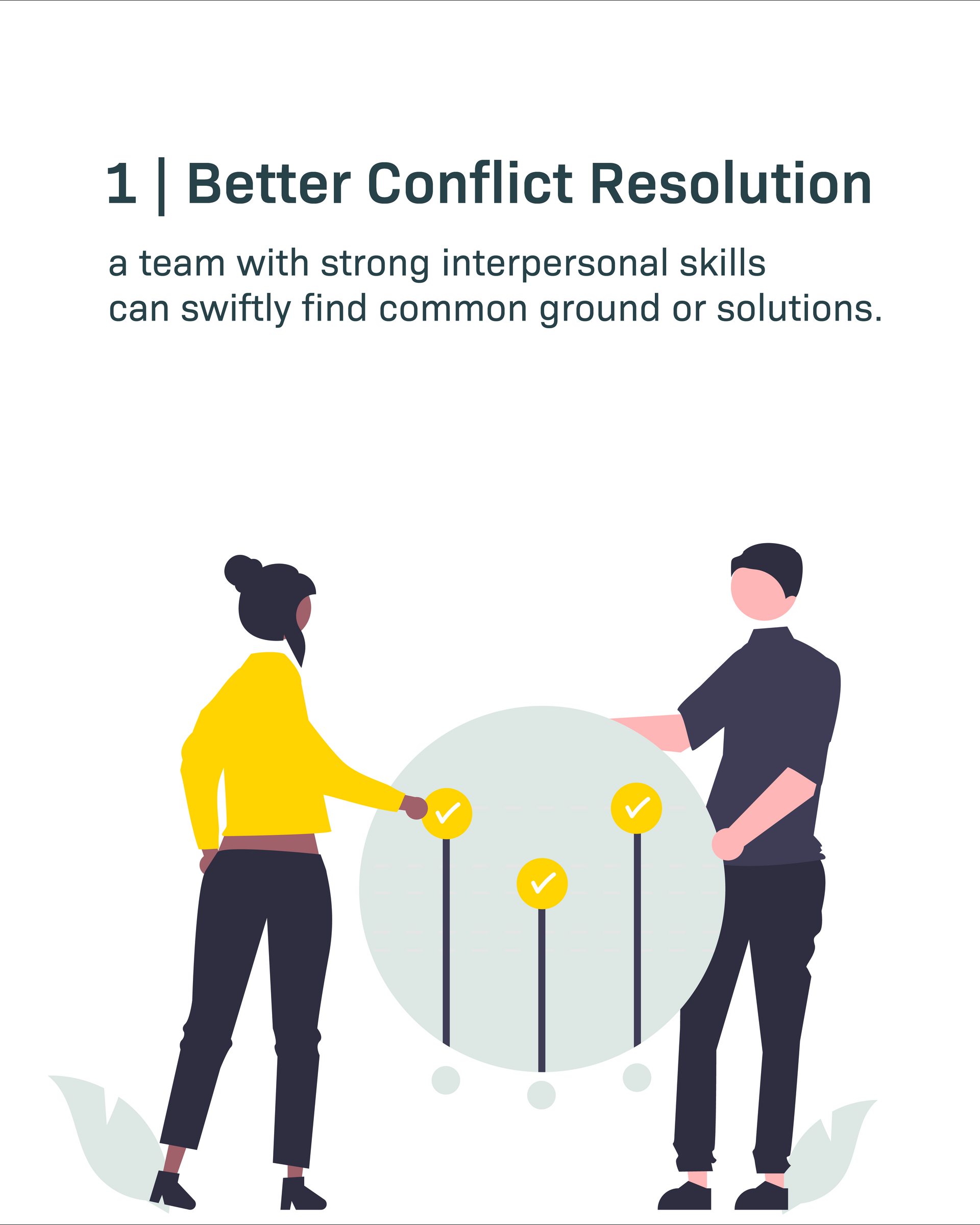
1. Better Conflict Resolution

A team that knows how to communicate and work together is less likely to have conflicts to begin with. On top of that, when conflicts do arise, a team with developed interpersonal skills can work better together to quickly find common ground or a solution to their conflict. This can ultimately result in less work for supervisors or human resources mediating conflict.

Two people shaking hands beside text “Better Conflict Resolution” with a lightbulb graphic

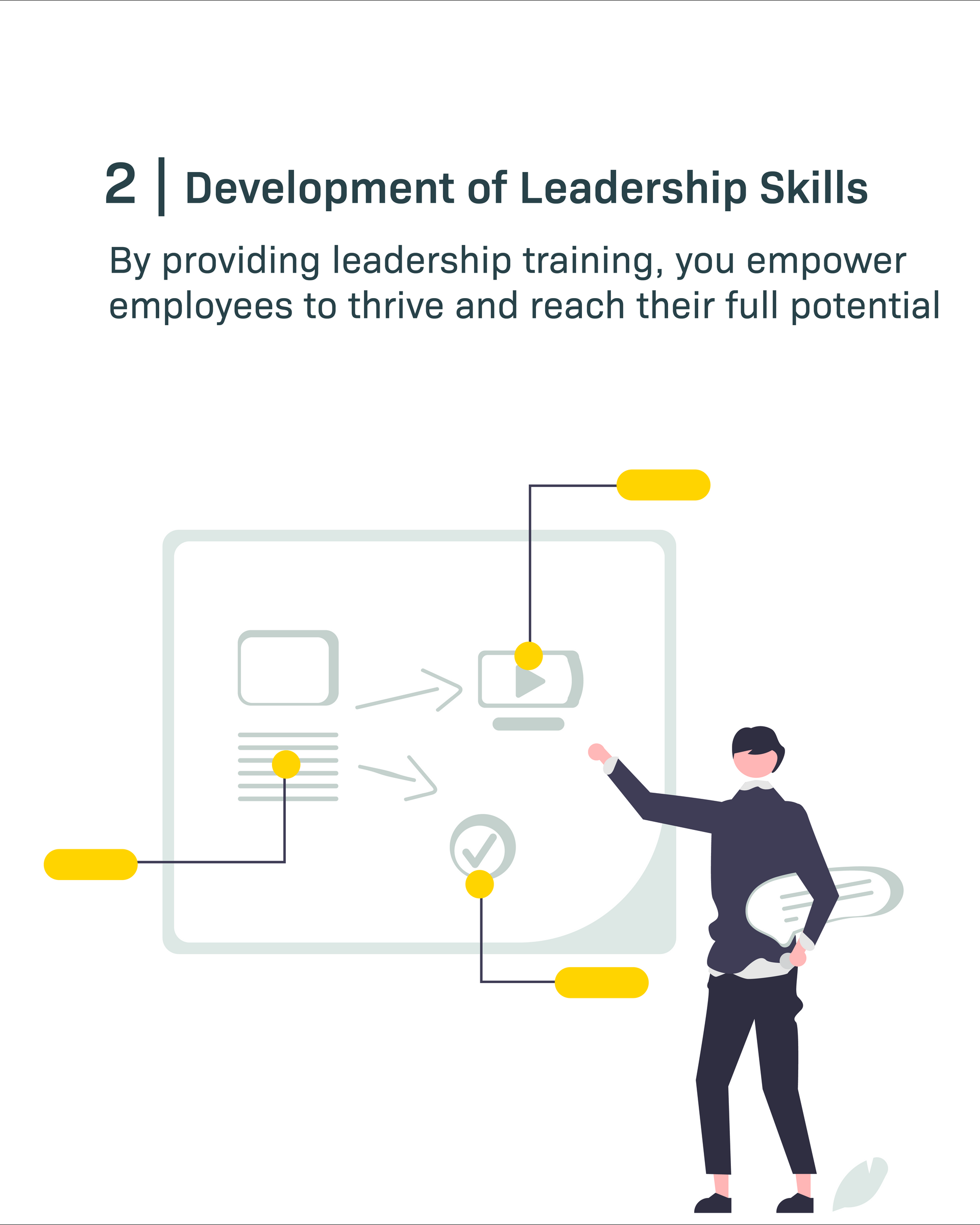
2. Development of Leadership Skills

Most everyone has heard the adage, "Communication is key." While this principle holds true in many situations, it's especially so when it comes to teamwork. A team that can effectively communicate with one another is a team that is generally more productive and experiences less conflict overall. Professional development training can help employees develop communication skills critical for effective teamwork.

Leader pointing at a presentation board with icons and yellow highlights under the heading “Development of Leadership Skills”

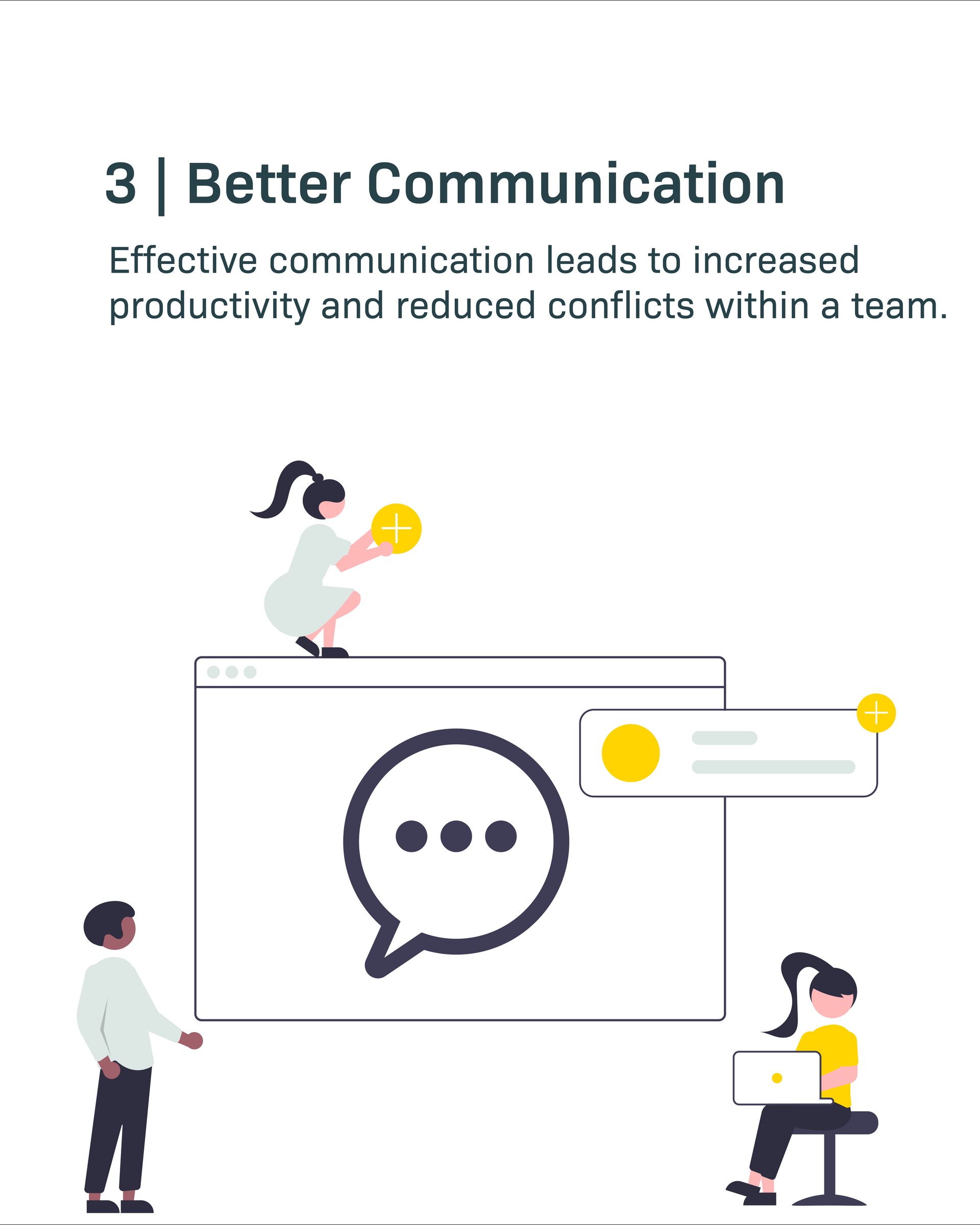
3. Better Communication

Most everyone has heard the adage, "Communication is key." While this principle holds true in many situations, it's especially so when it comes to teamwork. A team that can effectively communicate with one another is a team that is generally more productive and experiences less conflict overall. Professional development training can help employees develop communication skills critical for effective teamwork.

Illustration of team communication with people around a chat bubble and the text “Better Communication.”

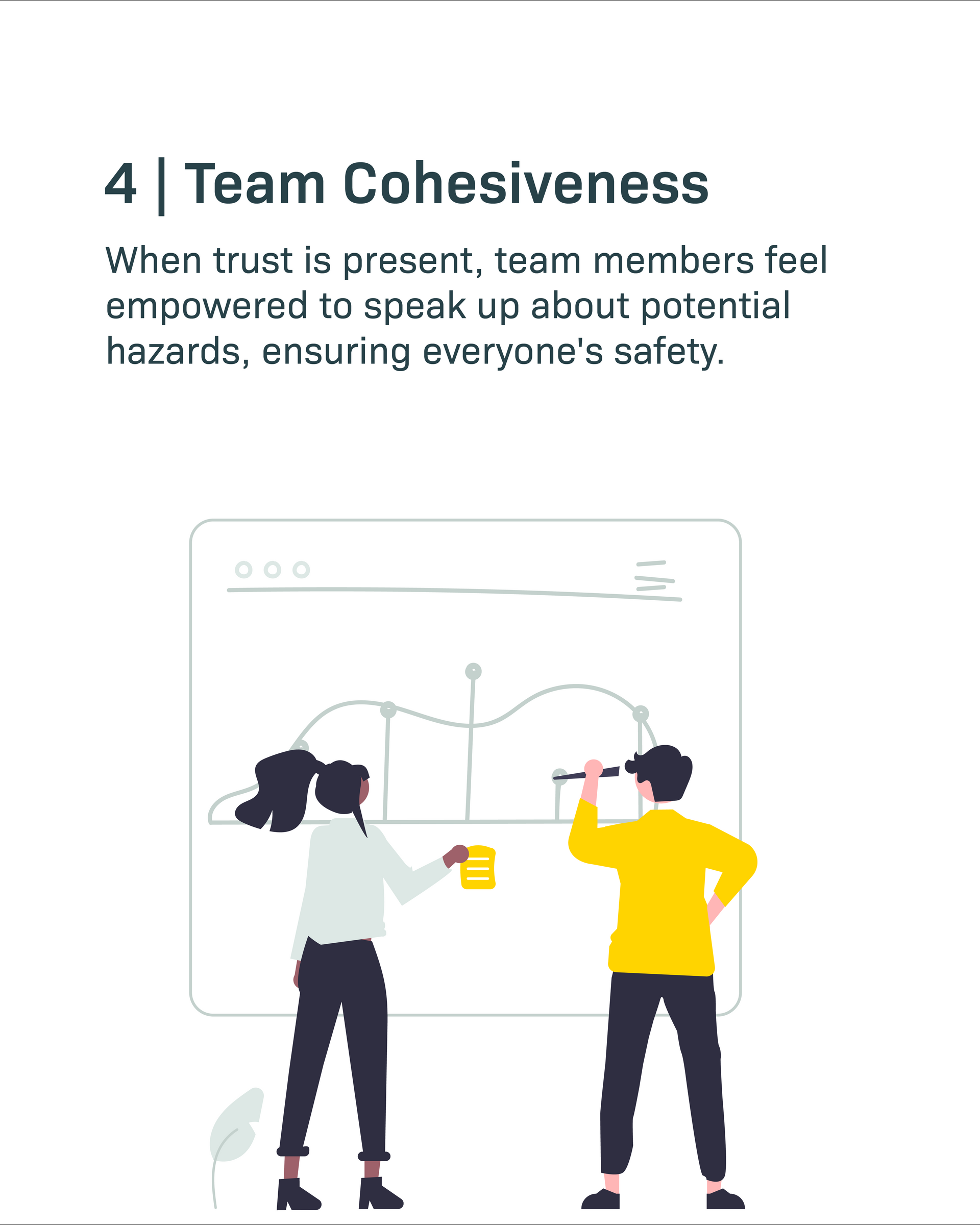
4. Team Cohesiveness

A cohesive or unified team has more trust in one another and can lean on each other during hardships. A cohesive team that fosters trust is also crucial for increasing workforce safety — when team members trust each other, they may feel safer speaking up about a problem. In other words, team members may feel safer reporting potential hazards, even if they are unsure the hazard is an actual problem. If working in a team that lacks unity or trust, they may not speak up about a perceived problem for fear of being made fun of or ridiculed.

Two coworkers hold a rope across a browser window under “Team Cohesiveness” text, promoting safety and hazard reporting

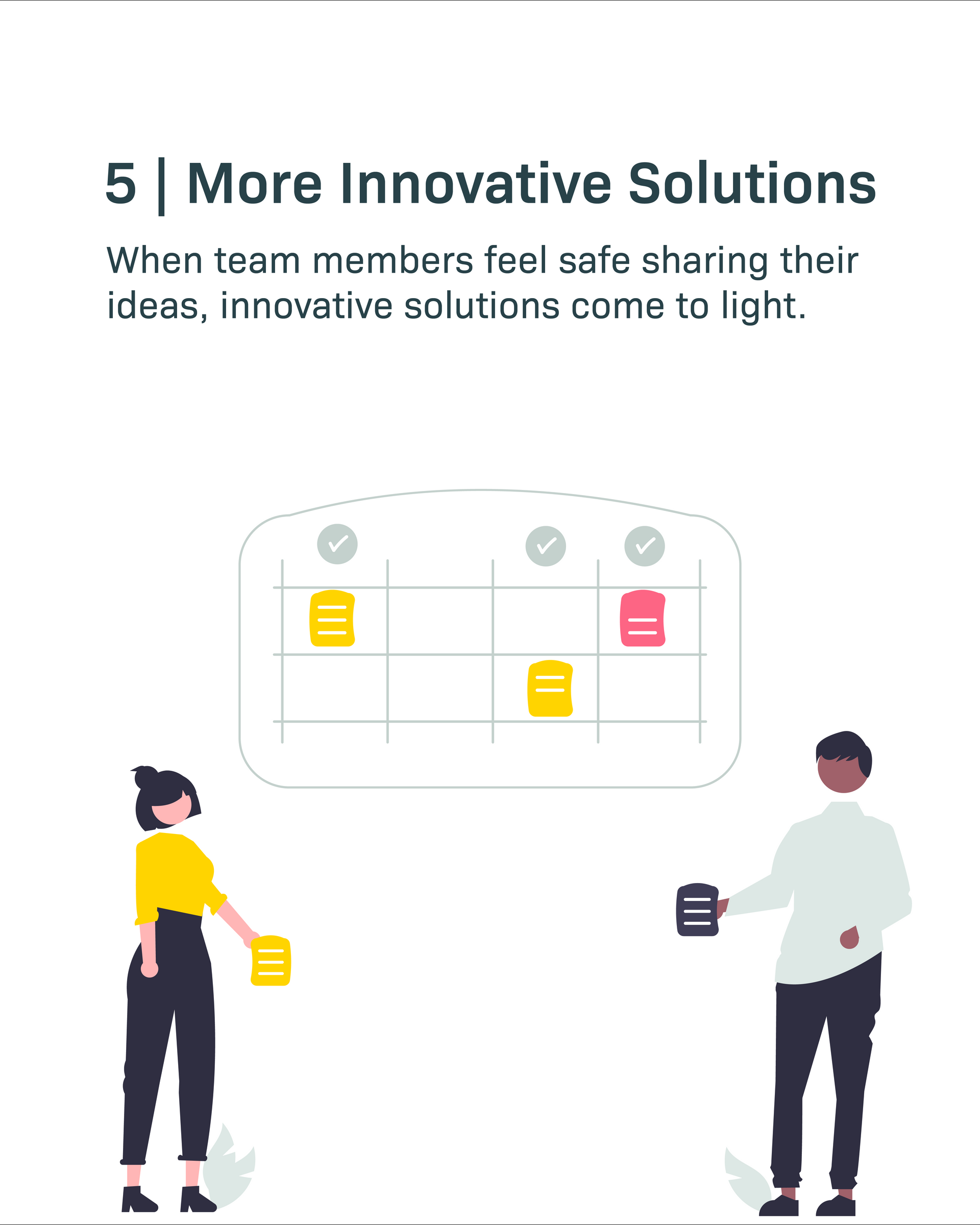
5. More Innovative Solutions

Problems are inevitable in the field, and sometimes, the solutions aren't always obvious. When team members feel safe sharing their ideas, more innovative solutions are brought to light. Innovative solutions often mean less time, money, or resources spent fixing problems. However, team members may feel unsafe sharing their ideas when a team lacks trust or open-mindedness. Professional development training can teach learners the interpersonal skills necessary for promoting trust among team members.

Two people place colorful sticky notes on a shared board labeled “More Innovative Solutions.”

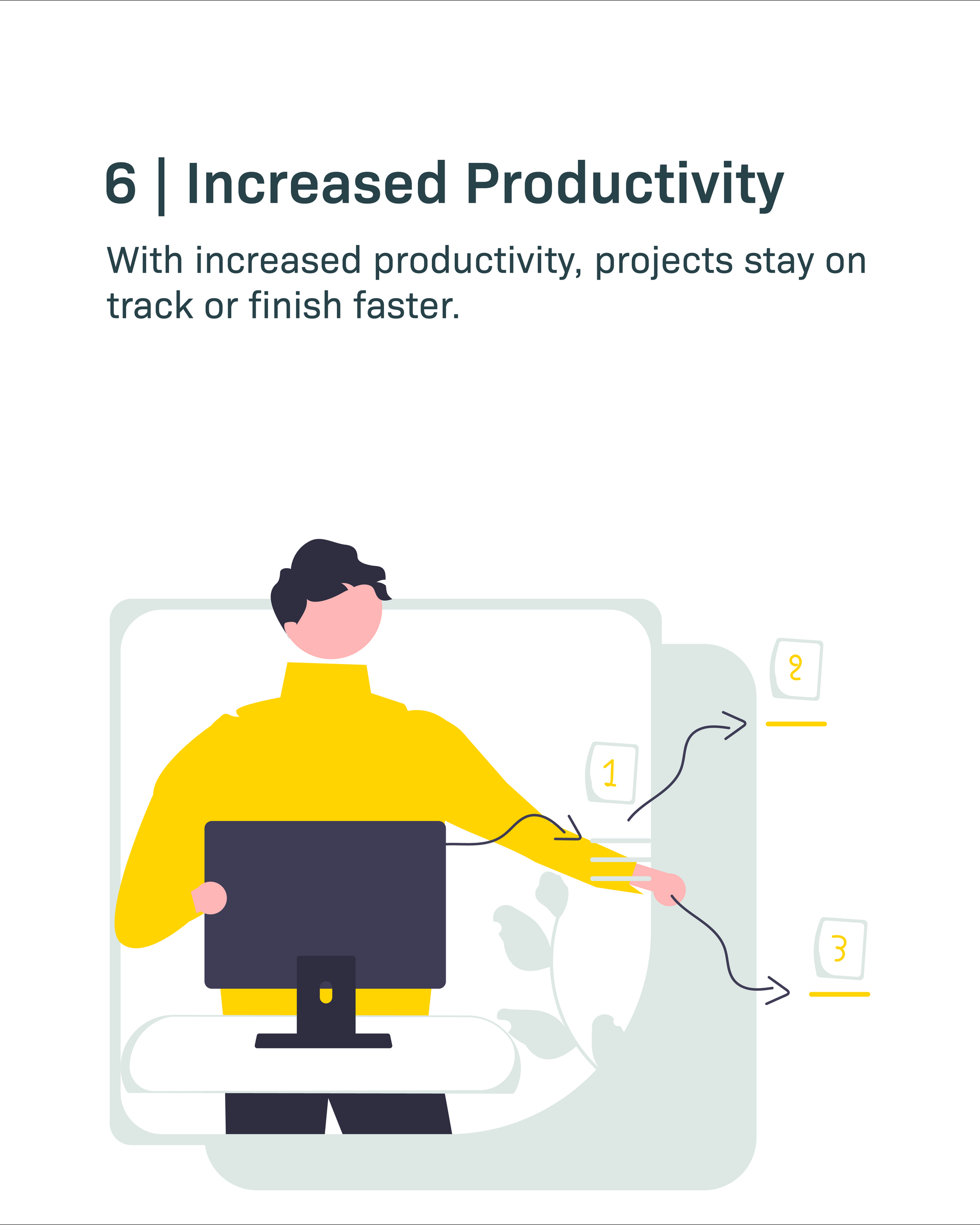
6. Increased Productivity

Teams that can effectively work together spend less time arguing. That means more time is spent focused on completing the task at hand. Increased productivity means projects stay on track or require less time to complete, maximizing work output.

Illustration of a person in a yellow sweater using a computer, with text about increased productivity and staying on track

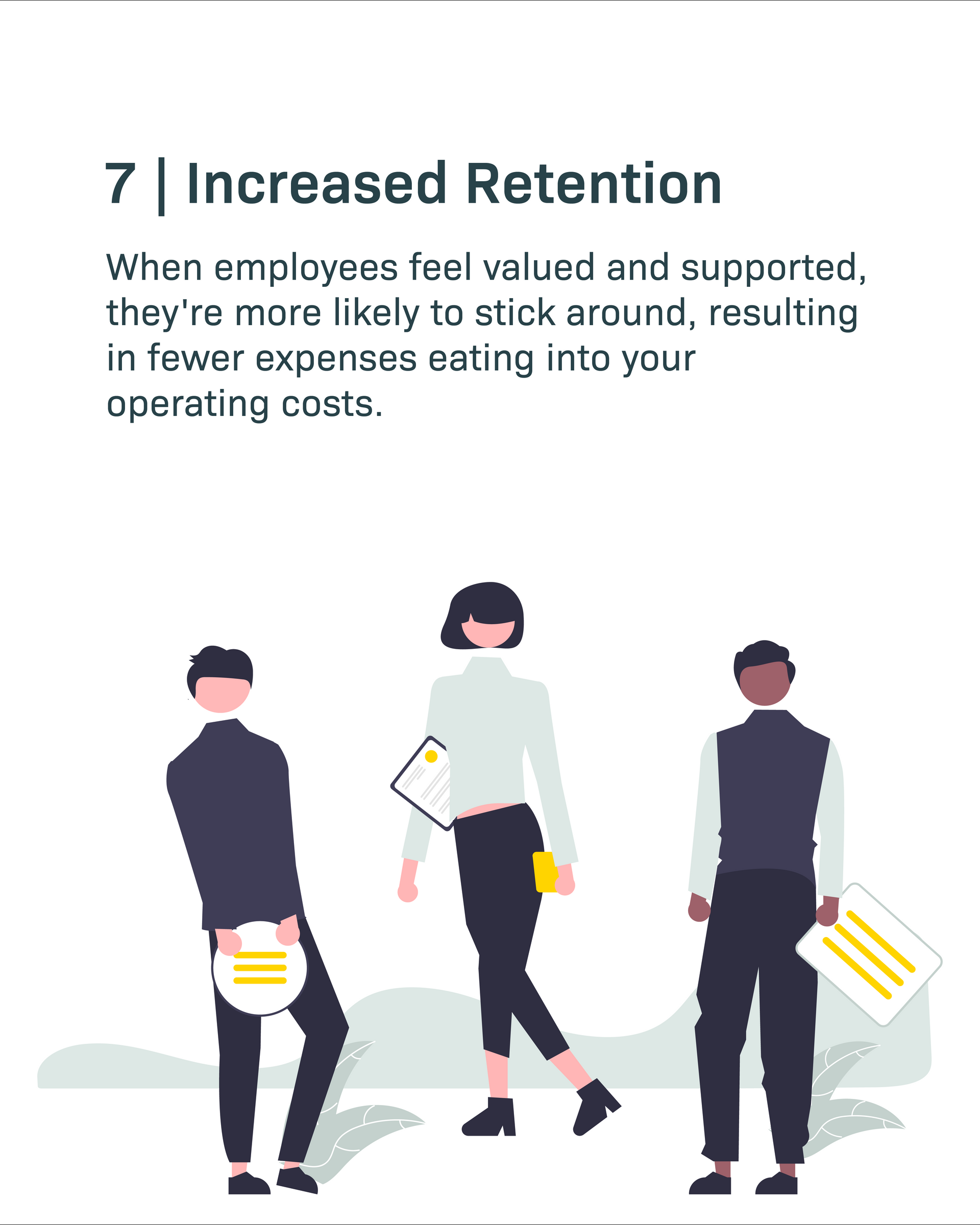
7. Increased Retention

Perhaps the one benefit employers appreciate the most from providing professional development training to their workforce is higher employee retention rates. Between the costs of onboarding and training new hires, as well as the loss of production and reduced performance while new employees are trained, turnover presents a big expense to many employers. Employees who feel like their company invests in them are more likely to stay with their employer. This means fewer expenses eating into your operating costs.

Three illustrated people holding documents under the heading “Increased Retention.”

How can EWN help?

Energy Worldnet is known for being one of the most trusted providers of OQ training and helping Operators meet their OQ and OSHA compliance needs. We have an extensive library of pre-written OQ courses. We also offer many other services, including custom content (training) to fit an Operator's OQ program's specific needs.

But OQ and OSHA training aren't all we offer. We have a variety of professional development courses designed to bring out the best in your workforce. These courses focus on developing a learner's communication skills, leadership skills including cross-cultural leadership, emotional intelligence, etiquette and overall professionalism, and time management.

New to EWN and interested in our professional development training? Contact us today! Already a client? Click here or talk to your account manager for more details on how you can get started with our professional development suite.

Recent Posts

By Kevin Speicher July 24, 2026
PHMSA just issued ADB-2026-06, an advisory bulletin reminding gas distribution operators of their existing obligations under 49 CFR Part 192, subpart P.

By Kevin Speicher July 22, 2026
On July 30, 2026 PHMSA is bringing the Gas Pipeline Advisory Committee & the Liquid Pipeline Advisory Committee together for a virtual meeting.
By Energy Worldnet (EWN) July 10, 2026
EWN's Regulatory Advisory Group breaks down RP 1173, PHMSA's new leadership, ECA rulemaking, multi-state OQ compliance, and PSMS for small operators.
By Kevin Speicher June 24, 2026
PHMSA's new approach of issuing 40+ targeted rulemakings instead of mega rules, and what the substantive changes mean for pipeline operators.
By Kevin Speicher June 24, 2026
PHMSA's Technical Pipeline Safety Standards Committee (GPAC) met on May 28, 2026, to work through the Safety of Gas Distribution Pipelines rule. Here's what happened and what operators need to know.
By Kevin Speicher June 19, 2026
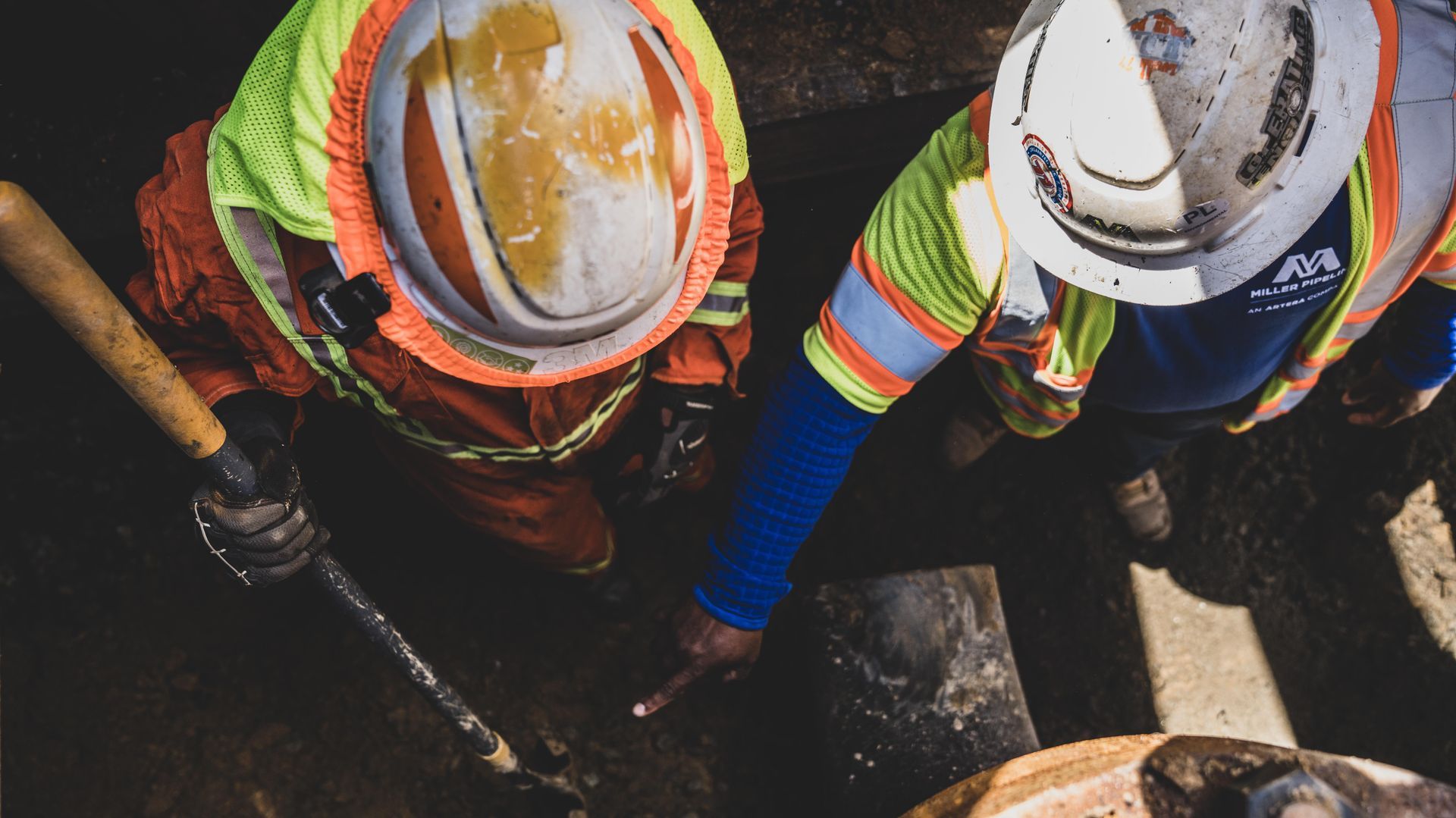
Span of control refers to the practice of allowing an unqualified worker to perform a covered task while being directed and observed by a qualified person.
By Energy Worldnet (EWN) May 27, 2026
Former PHMSA leaders discuss PSMS, OQ, safety culture, contractor oversight, and the future of pipeline safety and compliance.
By Kevin Speicher April 30, 2026
PHMSA reinforcing sharper operational expectations: excavation damage remains one of the leading threats to pipeline safety.
Compliance Leadership Forum title slide on a dark blue screen with yellow and white text.
By Ashley Jesko February 26, 2026
Energy Worldnet (EWN) hosted the first-ever Compliance Leadership Forum (CLF)—a peer-to-peer space designed for candid, practical conversations about pipeline compliance and safety. Hosted by James Cross (Chief Experience Officer, EWN), the session brought together more than 150 years of combined experience from former state and federal regulators and industry leaders. Meet the panel Kevin Speicher, Senior Regulatory Advisor, EWN; former Chief of Pipeline Safety, New York State Department of Public Service Steve Allen, former Director of Pipeline Safety, State of Indiana; longtime PSMS advocate and former EWN executive Alan Mayberry, former PHMSA Associate Administrator, now with Jana and serving on boards focused on advanced risk and geohazards Jeff Wiese, former PHMSA Associate Administrator; former offshore operations leader; longtime safety management advocate The tone was clear from the start: no judgment, anonymous questions, and a focus on what operators can actually do next.
EWN PHMSA Update graphic with “Read More” on a dark teal background
By Kevin Speicher February 19, 2026
PHMSA has issued Advisory Bulletin ADB-2026-04, reminding gas pipeline, underground natural gas storage (UNGS), and LNG operators that incidents must be reported to the National Response Center (NRC) at the earliest practicable moment — and no later than one hour after confirmed discovery.

Show More