
Cleveland Integrity Services selects EWN's PITP (API 1169 Preparation)

Energy Worldnet (EWN) • February 23, 2017

Share this article

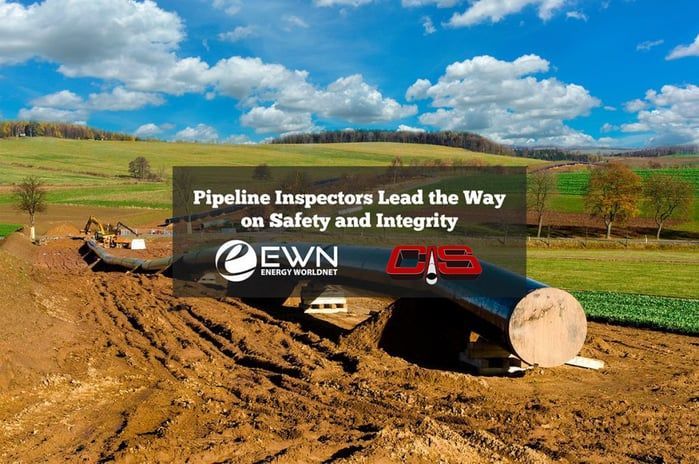
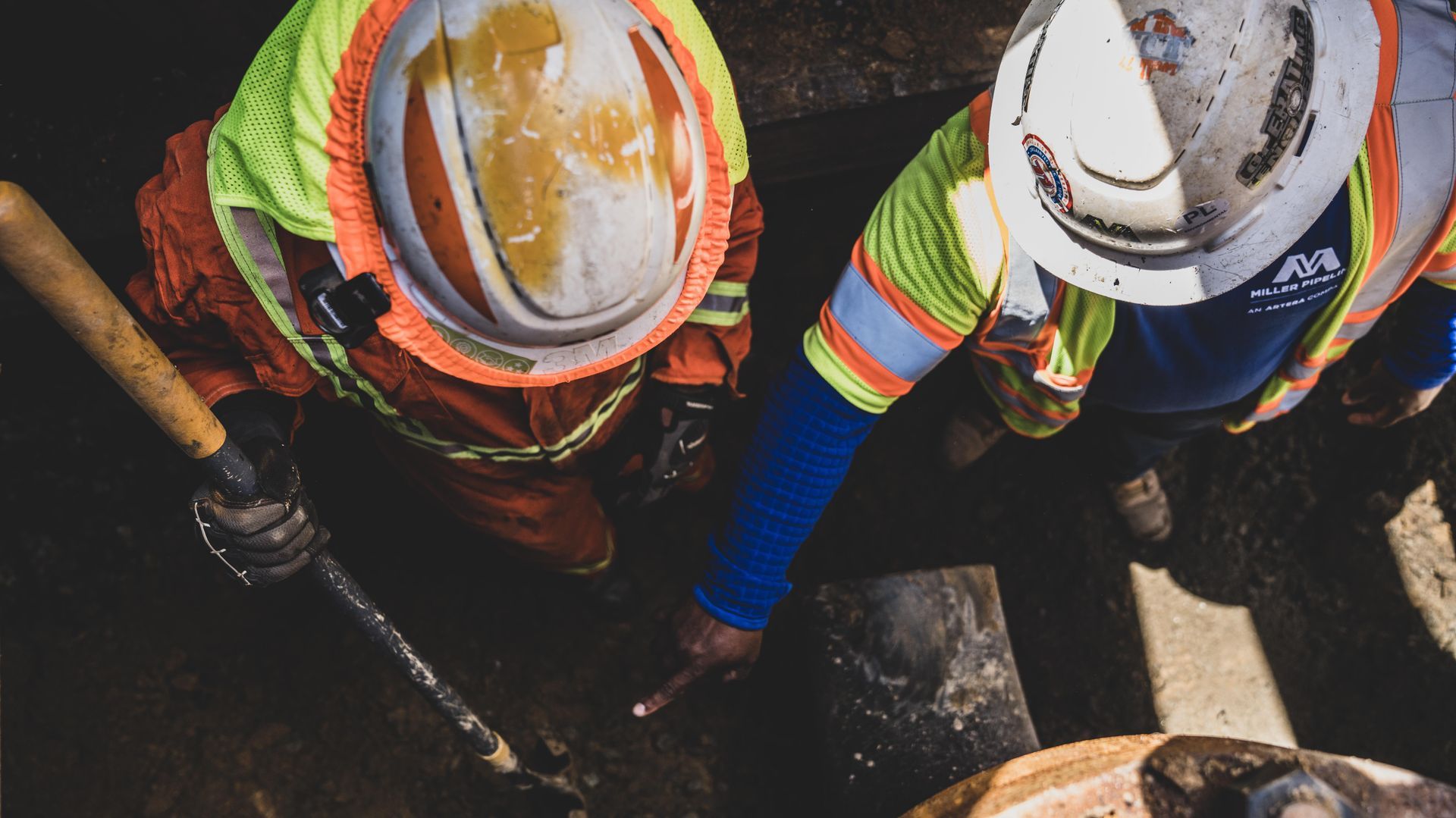
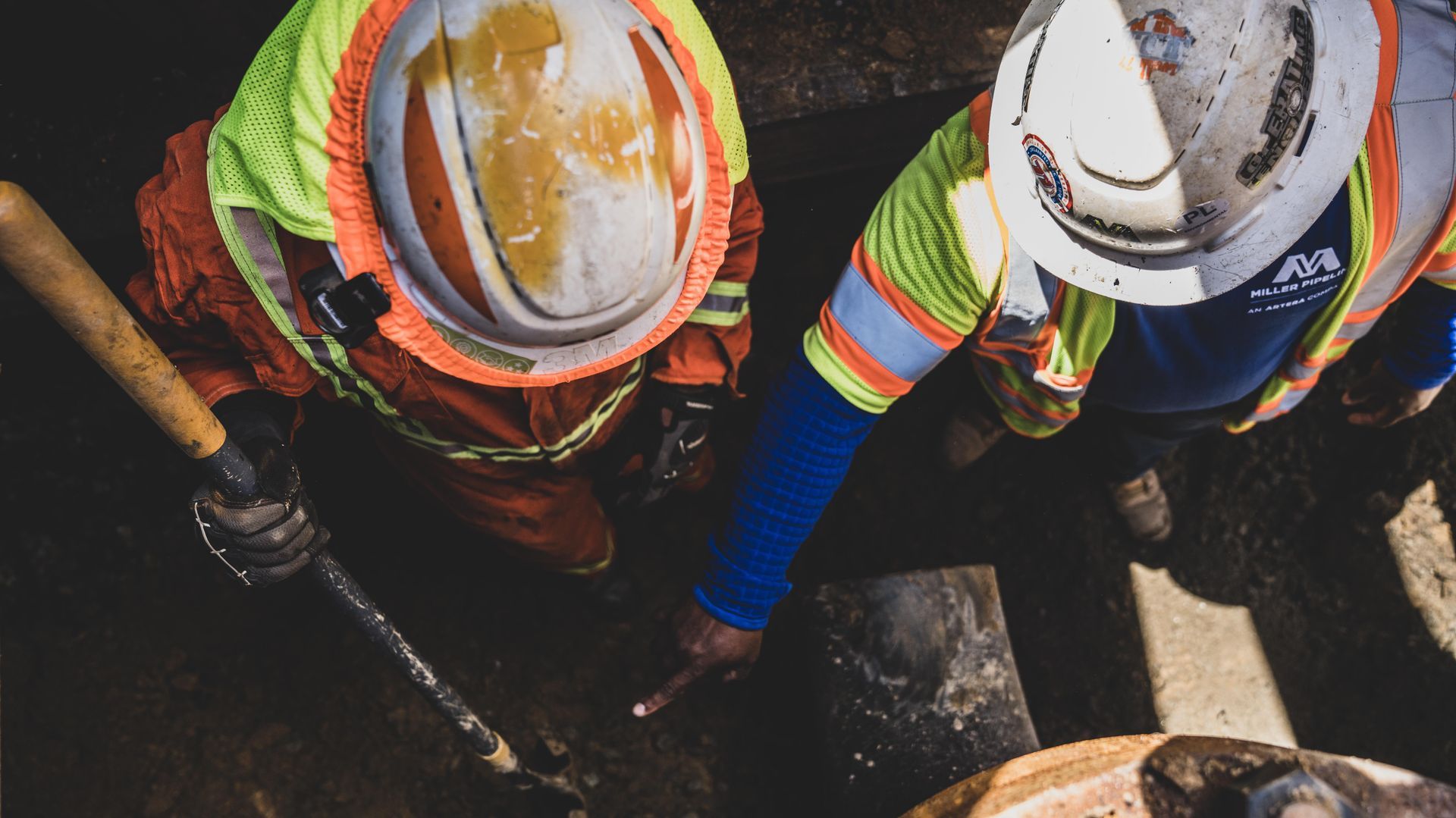
Pipeline inspectors on muddy construction site with text: “Pipeline Inspectors Lead the Way on Safety and Integrity”

It has been ten years since I sat in on some of my first meetings with industry veterans, listening to the debate on minimum requirements and credentials for pipeline inspectors, and the challenges associated with novice inspectors. The industry has made great progress since those days, and the pipeline industry and regulatory authorities are now encouraging and mandating that pipeline inspectors have documented evidence of their qualifications to perform inspections on jurisdictional pipelines.

In support of these collective industry efforts, the American Petroleum Institute (API) has worked with industry trade associations and experts to develop an exam and certification known as the API Recommended Practice (RP) 1169 – Pipeline Construction Inspector.

Pipeline construction inspectors must have broad knowledge relating to the construction of new onshore pipelines. This knowledge base must include topics such as specific roles and responsibilities, general pipeline safety, environmental and pollution control, regulatory requirements, and general pipeline construction processes and methodologies. The API 1169 Pipeline Construction Inspector Certification Exam is designed to determine if qualified candidates have such knowledge.

API 1169 Endorsed by INGAA and CEPA

The Interstate Natural Gas Association of America (INGAA), the INGAA Foundation Inc., and the Canadian Energy Pipeline Association (CEPA), are major trade associations and represent pipeline owners throughout North America. These associations and foundations are advocates for pipeline integrity and safety. As such, the respective Boards of INGAA and CEPA voted to endorse having all pipeline inspectors who work for their member companies obtain the API 1169 certification by the end of 2018 to enhance the quality and safety of pipeline construction. The decision to promote the API 1169 is consistent with the commitment to zero pipeline incidents, and the quality construction and safe operation of pipelines.

EWN Raises the Bar

ENERGY Worldnet, Inc. (EWN) is continuously raising the bar for safety and integrity in the industry. In the world of pipeline construction, EWN immediately recognized the importance of this new program and developed a complete in-depth suite of pipeline inspector training courses while API was developing the 1169 certification program. The EWN Pipeline Inspector Training Program consists of fifty (50) computer-based training modules, divided into 5 core sections, designed to meet and exceed the specific regulatory and training needs of onshore pipeline construction inspectors. The EWN program aligns directly with the published body of knowledge requirements for the API 1169 Inspector Certification Program. The EWN program is continuously vetted by industry veterans and subject matter experts, provides critical training content, and offers over 1,000 practice questions.

Trailblazers

Early adopters and opinion-setters are the leaders of the industry. They see the value in striving to be better, and they do not accept the status quo. They look for best practices because being a leader means doing what is right, not just what is required. Cleveland Integrity Services (CIS) is one of those companies that has embraced the API 1169 and has committed to training hundreds of pipeline inspectors in preparation for the API 1169 Certification Exam. To successfully accomplish this task, CIS has selected EWN's Pipeline Inspector Training Program to deliver a proven suite of self-paced online training courses. The EWN Pipeline Inspector Training Program is much more than just an exam prep class; it is a complete training program for pipeline inspectors.

ENERGY Worldnet, Inc. is proud to support Cleveland Integrity Services and the industry, in the commitment to continuous improvement processes that enhance the operational reliability of pipelines. Having certified inspectors helps everyone raise the bar on safety and integrity. Learn more at www.energyworldnet.com.

Words of Encouragement

"I would share that my success in taking this API Examination is due, in large part, to your Pipeline Inspector Training Program that I utilized as my primary source for information and study and prepared me for this important examination. I am so delighted to have signed up for this course and feel that I owe my success to this remarkable EWN program. Please extend my many thanks to the EWN people who developed this program and the many kind people of your organization who have been so helpful to me."

– Ken Austin, Safety Manager – Clear Energy Services, Inc.

Recent Posts

By Kevin Speicher July 24, 2026
PHMSA just issued ADB-2026-06, an advisory bulletin reminding gas distribution operators of their existing obligations under 49 CFR Part 192, subpart P.

By Kevin Speicher July 22, 2026
On July 30, 2026 PHMSA is bringing the Gas Pipeline Advisory Committee & the Liquid Pipeline Advisory Committee together for a virtual meeting.
By Energy Worldnet (EWN) July 10, 2026
EWN's Regulatory Advisory Group breaks down RP 1173, PHMSA's new leadership, ECA rulemaking, multi-state OQ compliance, and PSMS for small operators.
By Kevin Speicher June 24, 2026
PHMSA's new approach of issuing 40+ targeted rulemakings instead of mega rules, and what the substantive changes mean for pipeline operators.
By Kevin Speicher June 24, 2026
PHMSA's Technical Pipeline Safety Standards Committee (GPAC) met on May 28, 2026, to work through the Safety of Gas Distribution Pipelines rule. Here's what happened and what operators need to know.
By Kevin Speicher June 19, 2026
Span of control refers to the practice of allowing an unqualified worker to perform a covered task while being directed and observed by a qualified person.
By Energy Worldnet (EWN) May 27, 2026
Former PHMSA leaders discuss PSMS, OQ, safety culture, contractor oversight, and the future of pipeline safety and compliance.
By Kevin Speicher April 30, 2026
PHMSA reinforcing sharper operational expectations: excavation damage remains one of the leading threats to pipeline safety.
Compliance Leadership Forum title slide on a dark blue screen with yellow and white text.
By Ashley Jesko February 26, 2026
Energy Worldnet (EWN) hosted the first-ever Compliance Leadership Forum (CLF)—a peer-to-peer space designed for candid, practical conversations about pipeline compliance and safety. Hosted by James Cross (Chief Experience Officer, EWN), the session brought together more than 150 years of combined experience from former state and federal regulators and industry leaders. Meet the panel Kevin Speicher, Senior Regulatory Advisor, EWN; former Chief of Pipeline Safety, New York State Department of Public Service Steve Allen, former Director of Pipeline Safety, State of Indiana; longtime PSMS advocate and former EWN executive Alan Mayberry, former PHMSA Associate Administrator, now with Jana and serving on boards focused on advanced risk and geohazards Jeff Wiese, former PHMSA Associate Administrator; former offshore operations leader; longtime safety management advocate The tone was clear from the start: no judgment, anonymous questions, and a focus on what operators can actually do next.
EWN PHMSA Update graphic with “Read More” on a dark teal background
By Kevin Speicher February 19, 2026
PHMSA has issued Advisory Bulletin ADB-2026-04, reminding gas pipeline, underground natural gas storage (UNGS), and LNG operators that incidents must be reported to the National Response Center (NRC) at the earliest practicable moment — and no later than one hour after confirmed discovery.

Show More