Coming Soon to Hawaii: Natural Gas

Energy Worldnet (EWN) • September 30, 2014

Share this article

Hawaii has long been one of the most energy-isolated states in the nation — and one of the most expensive. But that may be changing. Hawaii has been exploring the possibility of abandoning petroleum as its primary energy source in favor of liquefied natural gas (LNG).

Hawaii's Energy Challenge

Approximately 90% of Hawaii's energy comes from imported petroleum. As a result, Hawaii residents and businesses pay among the highest electricity rates in the country — more than 30 cents per kilowatt-hour , which is 3 to 5 times the mainland U.S. average. This creates significant economic hardship and limits the state's energy resilience.

Moving Toward LNG

Hawaii began importing liquefied natural gas in the spring of 2014, marking a significant shift in the state's energy strategy. The goals behind the LNG transition include:

  • Reducing electricity costs for consumers and businesses
  • Improving electrical grid resiliency
  • Providing an alternative fuel source less subject to global oil price volatility

The Opportunity

Hawaii took bids on approximately 800,000 metric tons of natural gas annually to meet its energy needs. This represents a significant opportunity for the natural gas industry and underscores the growing role of LNG as a global energy source.

As the natural gas industry expands into new markets like Hawaii, qualified operators and a well-trained workforce remain essential to safe and reliable delivery. Contact EWN to learn more about our OQ and workforce training solutions.

Recent Posts

By EWN Compliance Team • September 16, 2026
Up to half the utility workforce could retire within a decade. Here's why OQ onboarding speed, not headcount alone, is becoming the real safety variable.
By Energy Worldnet (EWN) • August 17, 2026
Every OQ program rests on 9 provisions in 49 CFR 192.805. Here's each one explained in full, with the specific requirement behind it.

Construction worker in hard hat and safety vest sitting on scaffolding, looking upward
By Kevin Speicher • July 24, 2026
PHMSA just issued ADB-2026-06, an advisory bulletin reminding gas distribution operators of their existing obligations under 49 CFR Part 192, subpart P.

By Kevin Speicher • July 22, 2026
On July 30, 2026 PHMSA is bringing the Gas Pipeline Advisory Committee & the Liquid Pipeline Advisory Committee together for a virtual meeting.

By Energy Worldnet (EWN) • July 10, 2026
EWN's Regulatory Advisory Group breaks down RP 1173, PHMSA's new leadership, ECA rulemaking, multi-state OQ compliance, and PSMS for small operators.
By Kevin Speicher • June 24, 2026
PHMSA's new approach of issuing 40+ targeted rulemakings instead of mega rules, and what the substantive changes mean for pipeline operators.
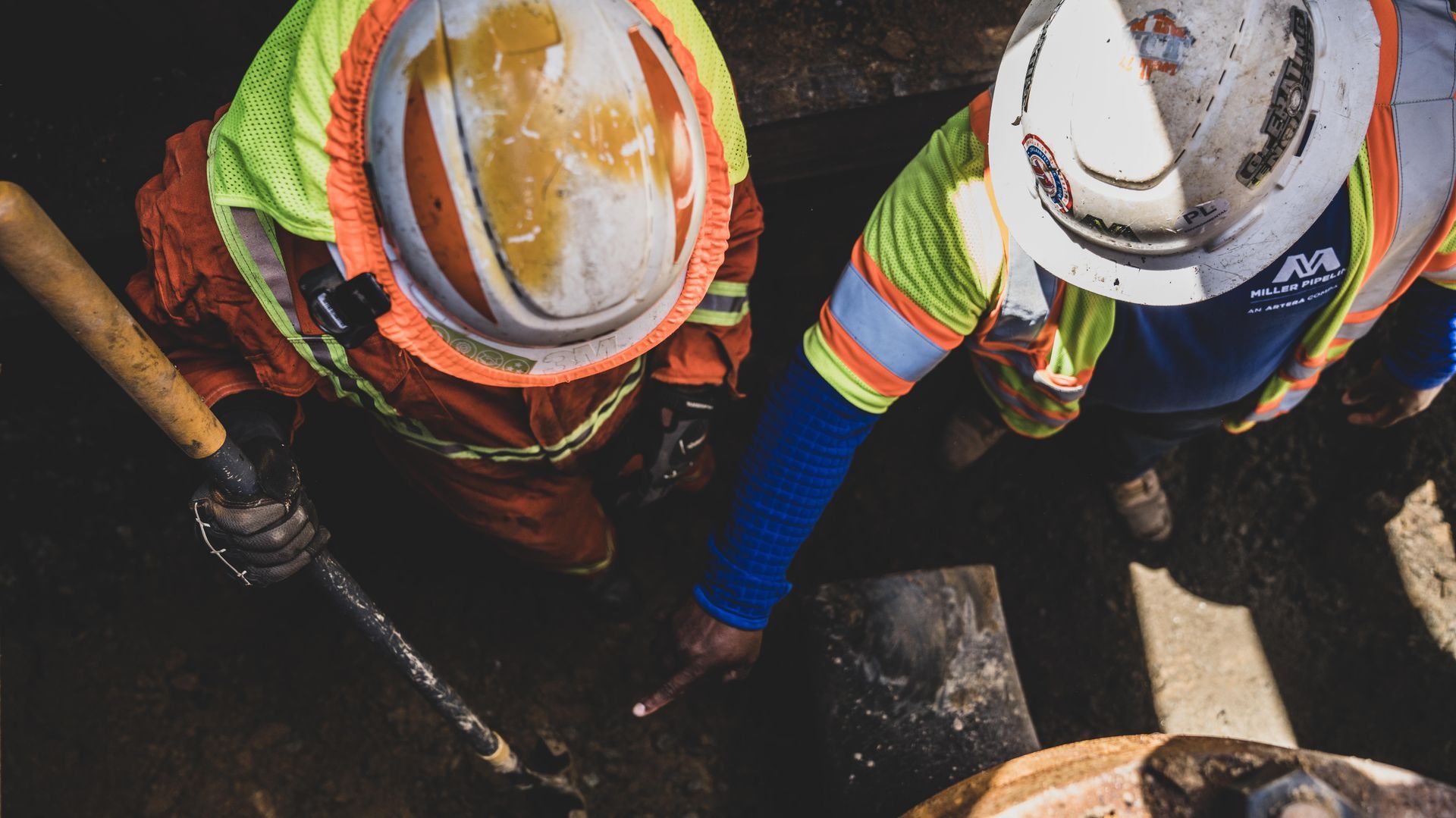
Two utility workers in hard hats inspect a trench with shovels.
By Kevin Speicher • June 24, 2026
PHMSA's Technical Pipeline Safety Standards Committee (GPAC) met on May 28, 2026, to work through the Safety of Gas Distribution Pipelines rule. Here's what happened and what operators need to know.
By Kevin Speicher • June 19, 2026
Span of control refers to the practice of allowing an unqualified worker to perform a covered task while being directed and observed by a qualified person.

By Energy Worldnet (EWN) • May 27, 2026
Former PHMSA leaders discuss PSMS, OQ, safety culture, contractor oversight, and the future of pipeline safety and compliance.
By Kevin Speicher • April 30, 2026
PHMSA reinforcing sharper operational expectations: excavation damage remains one of the leading threats to pipeline safety.

Show More