
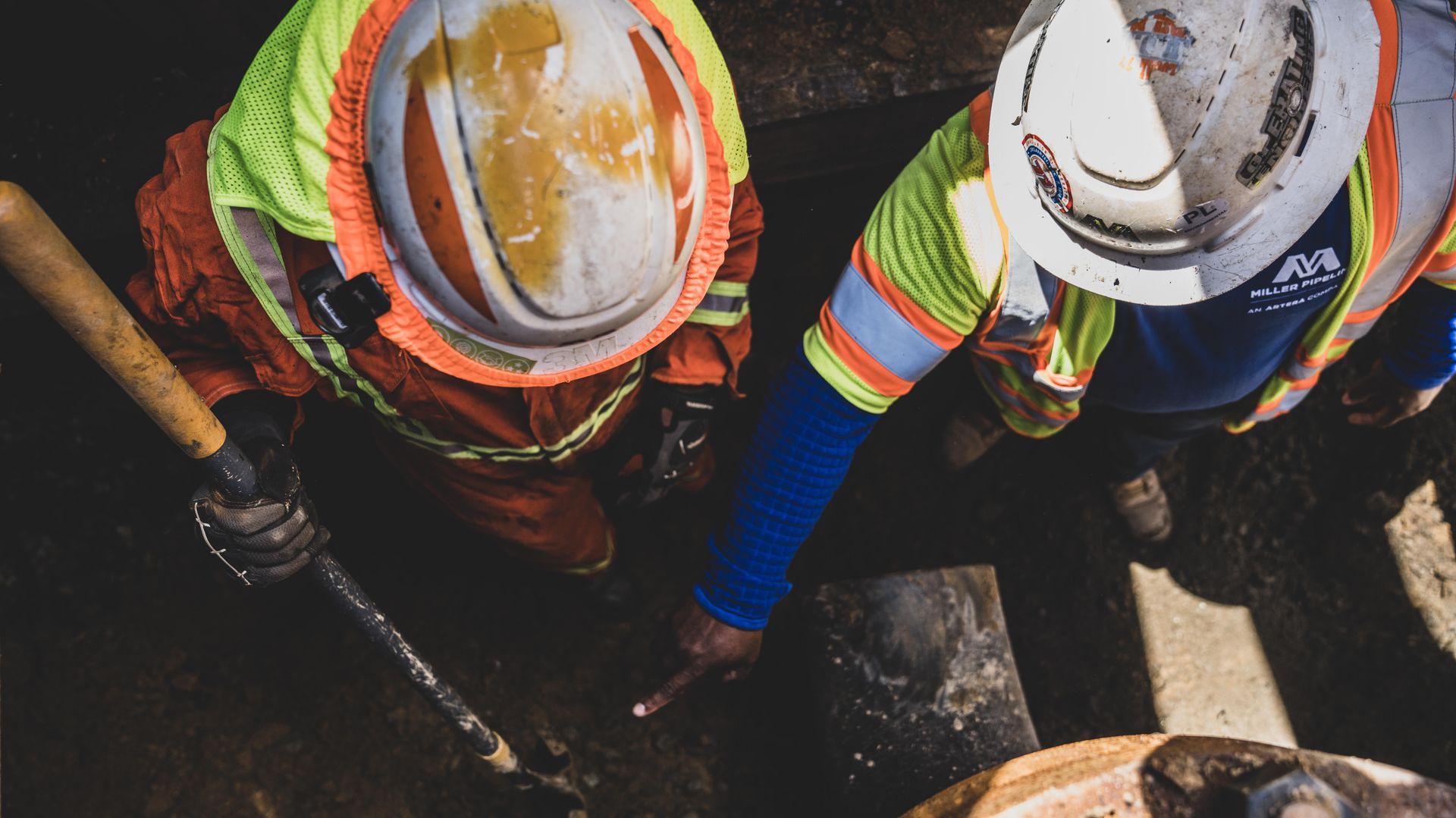
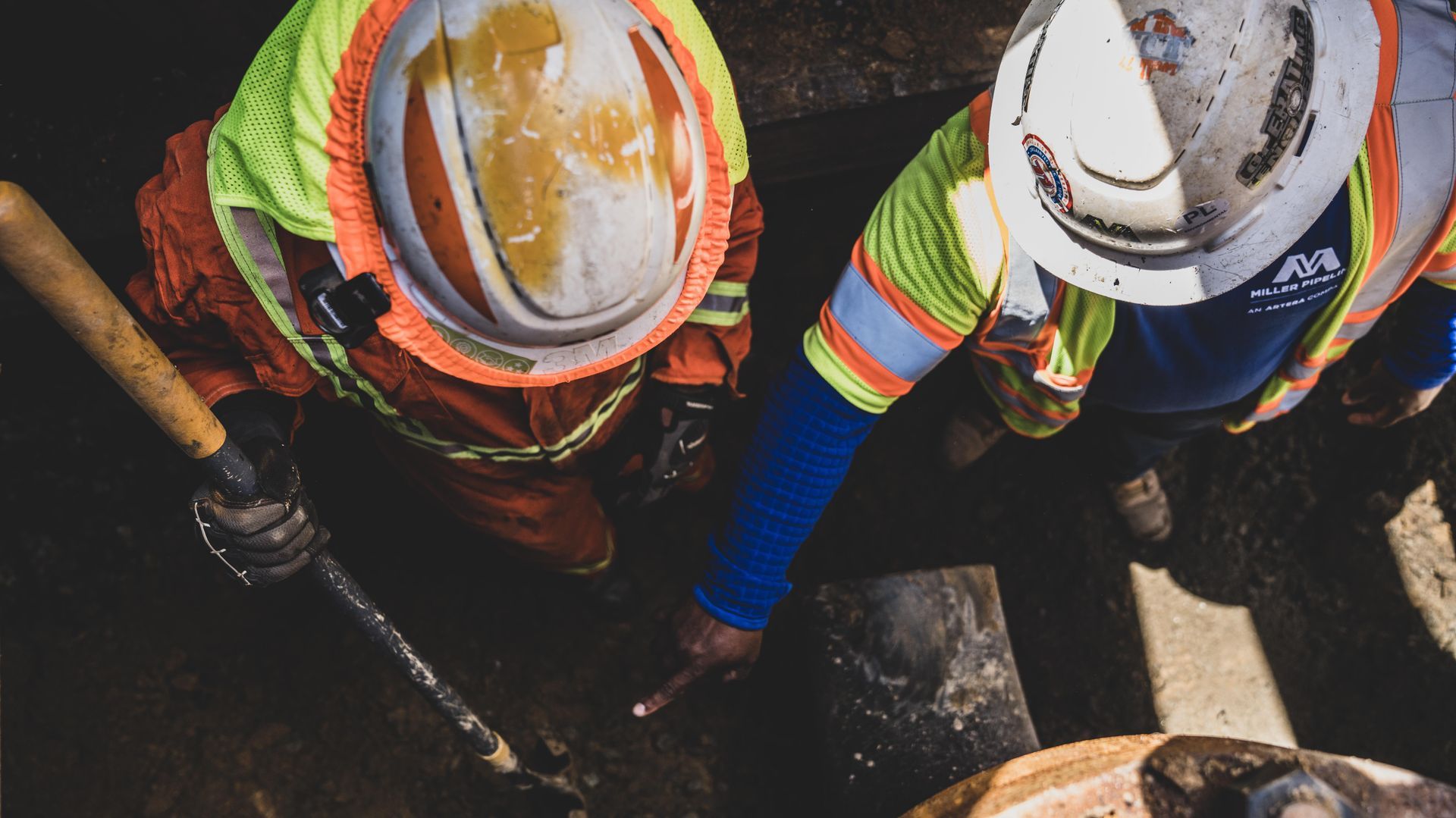
How to Become a Licensed Pipeline Inspector

Energy Worldnet (EWN) • June 3, 2021

Share this article

Are you interested in becoming a licensed pipeline inspector? This certification process is straightforward but does require an application process, passing an exam, and periodic recertification. Here's how to become a licensed pipeline inspector and what you should know about the position.

Understand the Specifics of Licensed Pipeline Inspector

Pipeline inspector refers to a specific position in the oil and gas industry, defined by the API, or American Petroleum Institute, with the designation API 1169. It is also the API that certifies workers for the pipeline inspector position and creates the exams that must be passed to earn certification.

The certification is designed for inspection of new construction of on-shore pipelines used to transfer oil, etc. Inspectors look for pipeline damage, malfunctions, improper construction, maintenance issues, and other problems that can lead to broken pipelines or issues with output. Inspectors then provide advice to builders and managers on the correct type of construction to work with as well as what repairs or maintenance is necessary to address current problems.

Note that a pipeline inspector position should not be confused with other jobs such as a piping inspector, above-ground storage tank inspector, pressure vessel inspector, or risk-based inspection. These are all separate designations with their own unique requirements and certification. Also note that while the API is an American organization, Canada also accepts the 1169 certification, and the exam includes specific Canadian topics so that certification can be used in either country without the need to take additional exams, etc.

Know the Broad Requirements of Inspection

A pipeline inspector includes several different requirements outlined by the API, which make up the core of the certification exam:

Inspector Responsibilities: This refers to what activities the inspector is responsible for, and includes the basic steps of the job like planning inspections, monitoring ongoing work, evaluating pipes, verifying construction or repairs, and solving problems that arise. It also involves the proper documentation and reporting that the job requires.

Personnel and General Pipeline Safety: This involves all key construction safety requirements for pipelines, such as those determined by OSHA and other organizations.

Environmental and Pollution Control: Inspectors must comply with all environmental and pollution regulations, which means they must always study local, state, and federal regulations, how regulations are changing, and upcoming requirements. This includes basic knowledge about how pipelines affect air, water, agricultural quality, erosion, waste management, and similar topics.

General Pipeline Construction: Inspectors also need to know about pipeline construction in general, and all the current codes and compliance requirements involved in building the pipeline, including how to properly document compliance.

Meet Minimum Education and Experience Requirements

To qualify for the exam and certification, participants must have the right combination of education and experience. This is somewhat flexible – experience in the industry can make up for lack of education qualifications, and vice-versa. That leads to a wide variety of qualification combinations, including:

  • Applicants with at least three years of pipeline inspection experience, i.e. working under a certified inspector.
  • Applicants with a two year degree and two years of pipeline inspection experience
  • Applicants with two years of military service and two years of pipeline inspection experience
  • Applicants with a two-year degree and three years of general oil and gas inspection experience
  • Applicants with a two-year degree and four years of non-inspection pipeline experience
  • Applicants with a two-year degree and five years of heavy industry experience (eight years without a degree)
  • And so on

Read and Study References

The API 1169 certification exam covers a variety of important inspector requirements, and is updated annually to cover current regulations and best practices. The API has a list of references used for the exam called the Publication Effectivity Sheet. Those interested in becoming inspectors should consult this list of references as part of exam preparation.

The Sheet is useful for several different reasons. First, the list of references are core study materials for the exam, including API Recommended Practices and CGA Best Practices. If it's on the list, it's a text you need to have for studying. Second, the sheet specifies all U.S. and Canadian regulations that inspectors must know for the exam, with links to the appropriate documents. Third, the Sheet also offers additional recommended texts that are not required for the exam but are useful for industry knowledge, especially for those who have not spent a significant time working on pipelines. Third parties also provide training programs as classes to help prepare.

Study the Required Body of Knowledge

In addition to the Publication Effectivity Sheet, the API also makes a document available called the Body of Knowledge. This is essentially more in-depth references about the exact topics that the exam will cover, and should be used along with the Publication Effectivity Sheet to help optimize studying practices.

Schedule and Pass the API 1169 Exam

As the applicant studies, they also need to schedule their exam in advance. The application includes everything from employer references to transcripts and diplomas, so it's important to start it early and fill it out thoroughly. When an application is accepted, the applicant can schedule their exam either online or at one of 500 testing centers around the world.

The exam lasts for three hours and includes 115 questions (in its current state). While personal reference materials are not allowed, the exam computers do include official reference materials that can be used while taking the exam – with the search function disabled, so you still need to be very familiar with the materials using the documents we mentioned above.

Re-Apply For Certification as Needed

Pipeline inspection certification currently lasts for three years before a licensed pipeline inspector must apply for re-certification to keep current on the latest compliance requirements, regulations, and so on.

Get Ready for your Licensed Pipeline Inspector Exam with Energy Worldnet

Prepare for your exam with training material and practice exam questions available through the Pipeline Inspector Certification Training Program from Energy Worldnet. Our courses align directly with API 1169 to get you ready for the real exam. With this online course, you can access courses from anywhere and accomplish your goals at your own pace. Enroll now!

Recent Posts

By Kevin Speicher July 24, 2026
PHMSA just issued ADB-2026-06, an advisory bulletin reminding gas distribution operators of their existing obligations under 49 CFR Part 192, subpart P.

By Kevin Speicher July 22, 2026
On July 30, 2026 PHMSA is bringing the Gas Pipeline Advisory Committee & the Liquid Pipeline Advisory Committee together for a virtual meeting.
By Energy Worldnet (EWN) July 10, 2026
EWN's Regulatory Advisory Group breaks down RP 1173, PHMSA's new leadership, ECA rulemaking, multi-state OQ compliance, and PSMS for small operators.
By Kevin Speicher June 24, 2026
PHMSA's new approach of issuing 40+ targeted rulemakings instead of mega rules, and what the substantive changes mean for pipeline operators.
By Kevin Speicher June 24, 2026
PHMSA's Technical Pipeline Safety Standards Committee (GPAC) met on May 28, 2026, to work through the Safety of Gas Distribution Pipelines rule. Here's what happened and what operators need to know.
By Kevin Speicher June 19, 2026
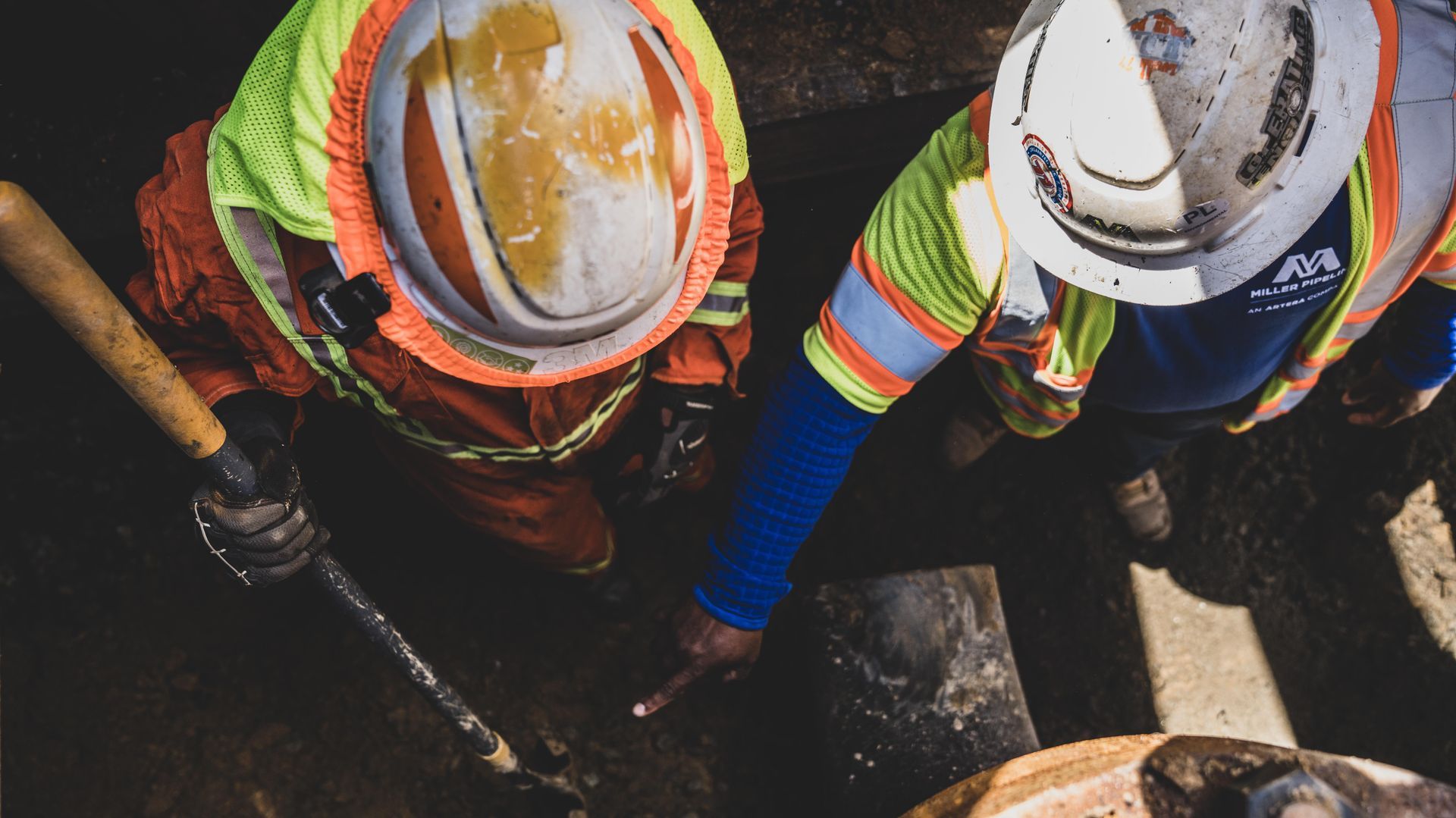
Span of control refers to the practice of allowing an unqualified worker to perform a covered task while being directed and observed by a qualified person.
By Energy Worldnet (EWN) May 27, 2026
Former PHMSA leaders discuss PSMS, OQ, safety culture, contractor oversight, and the future of pipeline safety and compliance.
By Kevin Speicher April 30, 2026
PHMSA reinforcing sharper operational expectations: excavation damage remains one of the leading threats to pipeline safety.
Compliance Leadership Forum title slide on a dark blue screen with yellow and white text.
By Ashley Jesko February 26, 2026
Energy Worldnet (EWN) hosted the first-ever Compliance Leadership Forum (CLF)—a peer-to-peer space designed for candid, practical conversations about pipeline compliance and safety. Hosted by James Cross (Chief Experience Officer, EWN), the session brought together more than 150 years of combined experience from former state and federal regulators and industry leaders. Meet the panel Kevin Speicher, Senior Regulatory Advisor, EWN; former Chief of Pipeline Safety, New York State Department of Public Service Steve Allen, former Director of Pipeline Safety, State of Indiana; longtime PSMS advocate and former EWN executive Alan Mayberry, former PHMSA Associate Administrator, now with Jana and serving on boards focused on advanced risk and geohazards Jeff Wiese, former PHMSA Associate Administrator; former offshore operations leader; longtime safety management advocate The tone was clear from the start: no judgment, anonymous questions, and a focus on what operators can actually do next.
EWN PHMSA Update graphic with “Read More” on a dark teal background
By Kevin Speicher February 19, 2026
PHMSA has issued Advisory Bulletin ADB-2026-04, reminding gas pipeline, underground natural gas storage (UNGS), and LNG operators that incidents must be reported to the National Response Center (NRC) at the earliest practicable moment — and no later than one hour after confirmed discovery.

Show More