
What is Operator Qualification (OQ)?

Energy Worldnet (EWN) • June 3, 2021

Share this article

Operator Qualification is a program that pipeline operators of hazardous liquids and gas must possess and adhere to according to state and federal codes. It involves written guidelines and requirements that operators must follow to ensure the safe and responsible operation of pipelines.

OQ is intended to reduce pipeline accidents and incidents by ensuring that individuals who perform "covered tasks" on pipeline facilities are trained and qualified. Read more to learn what tasks to include in your OQ plan, areas to address in your OQ program, and how EWN can help.

COVERED TASKS TO INCLUDE IN YOUR PLAN

State and federal codes provide criteria for identifying covered tasks. On the federal level, the "four-part-test" lists covered task requirements. Some states may have more strict covered task identification criteria. Additionally, operators themselves may create criteria for defining covered tasks.

It's important to note that the federal code is the minimum standard. States can exceed federal requirements, and operators can establish additional covered tasks. However, all OQ programs must, at a minimum, include tasks that state and federal requirements consider covered.

For specific guidance in identifying covered tasks, operators and contractors may refer to ASME's B31Q Pipeline Personnel Qualification Standard and the American Petroleum Institute's RP 1161, Recommended Practice for Pipeline Operator Qualification.

  • ASME's B31Q
  • API's RP 1161

B31Q is ASME's standard for Pipeline Personnel Qualification, which contains over 150 tasks in pipeline safety and integrity.

The B31Q Task List specifies the requirements for:

  • Identifying covered tasks that impact the safety or integrity of pipelines,
  • Qualifying individuals to perform those tasks, and
  • Managing the qualifications of pipeline personnel.

API 1169 is a prestigious certification managed by the American Petroleum Institute (API). It is specifically designed for Pipeline Construction Inspectors, offering a golden opportunity to enhance your career in pipeline safety.

To embark on this journey, you must meet the API's qualification and work experience requirements.

AREAS TO ADDRESS IN YOUR QUALIFICATION PROGRAM

Federal code (in §192.805 for gas and §195.505 for hazardous liquids) provides minimum requirements for operators to follow when creating their written operator qualification program. They are:

  1. Identify covered tasks;
  2. Ensure through evaluation that individuals performing covered tasks are qualified;
  3. Allow individuals that are not qualified pursuant to this subpart to perform a covered task if directed and observed by an individual that is qualified;
  4. Evaluate an individual if the operator has reason to believe that the individual's performance of a covered task contributed to an incident as defined in Part 191;
  5. Evaluate an individual if the operator has reason to believe that the individual is no longer qualified to perform a covered task;
  6. Communicate changes that affect covered tasks to individuals performing those covered tasks;
  7. Identify those covered tasks and the intervals at which evaluation of the individual's qualifications is needed;
  8. After December 16, 2004, provide training, as appropriate, to ensure that individuals performing covered tasks have the necessary knowledge and skills to perform the tasks in a manner that ensures the safe operation of pipeline facilities; and
  9. After December 16, 2004, notify the Administrator or a state agency participating under 49 USC Chapter 601 if an operator significantly modifies the program after the administrator or state agency has verified that it complies with this section. Notifications to PHMSA must be submitted in accordance with § 192.18.

States may have additional requirements.

EWN IS HERE TO HELP CREATE AND UPDATE YOUR OPERATOR QUALIFICATION PROGRAM

Energy Worldnet's skilled professionals specialize in creating and updating OQ plans and task lists. Many operators are unaware of potential regulatory compliance issues until an inspector discovers them.

By that time, it's too late.

EWN works closely with operators and contractors to identify problems and to develop and implement solutions before they become an embarrassing regulatory agency enforcement action.

EWN employs former OQ administrators and state and federal regulatory agency inspectors who are uniquely qualified to assess and improve your OQ plan. EWN team members serve on industry OQ committees, such as ASME's B31Q Pipeline Personnel Qualification Committee and the American Petroleum Institute's RP 1161, Recommended Practice for Pipeline Operator Qualification Committee, making EWN the right choice to assess your OQ program and to guide you in continually improving it.

Recent Posts

By Kevin Speicher July 24, 2026
PHMSA just issued ADB-2026-06, an advisory bulletin reminding gas distribution operators of their existing obligations under 49 CFR Part 192, subpart P.

By Kevin Speicher July 22, 2026
On July 30, 2026 PHMSA is bringing the Gas Pipeline Advisory Committee & the Liquid Pipeline Advisory Committee together for a virtual meeting.
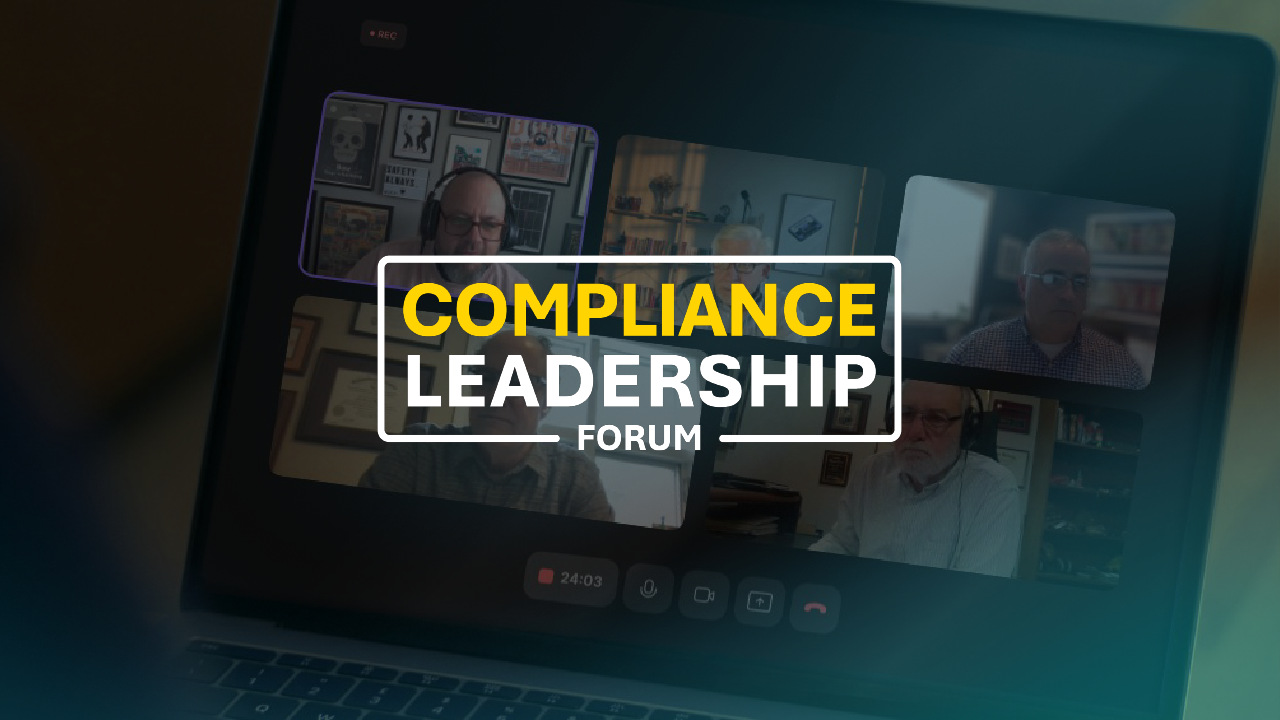
By Energy Worldnet (EWN) July 10, 2026
EWN's Regulatory Advisory Group breaks down RP 1173, PHMSA's new leadership, ECA rulemaking, multi-state OQ compliance, and PSMS for small operators.
By Kevin Speicher June 24, 2026
PHMSA's new approach of issuing 40+ targeted rulemakings instead of mega rules, and what the substantive changes mean for pipeline operators.
By Kevin Speicher June 24, 2026
PHMSA's Technical Pipeline Safety Standards Committee (GPAC) met on May 28, 2026, to work through the Safety of Gas Distribution Pipelines rule. Here's what happened and what operators need to know.
By Kevin Speicher June 19, 2026
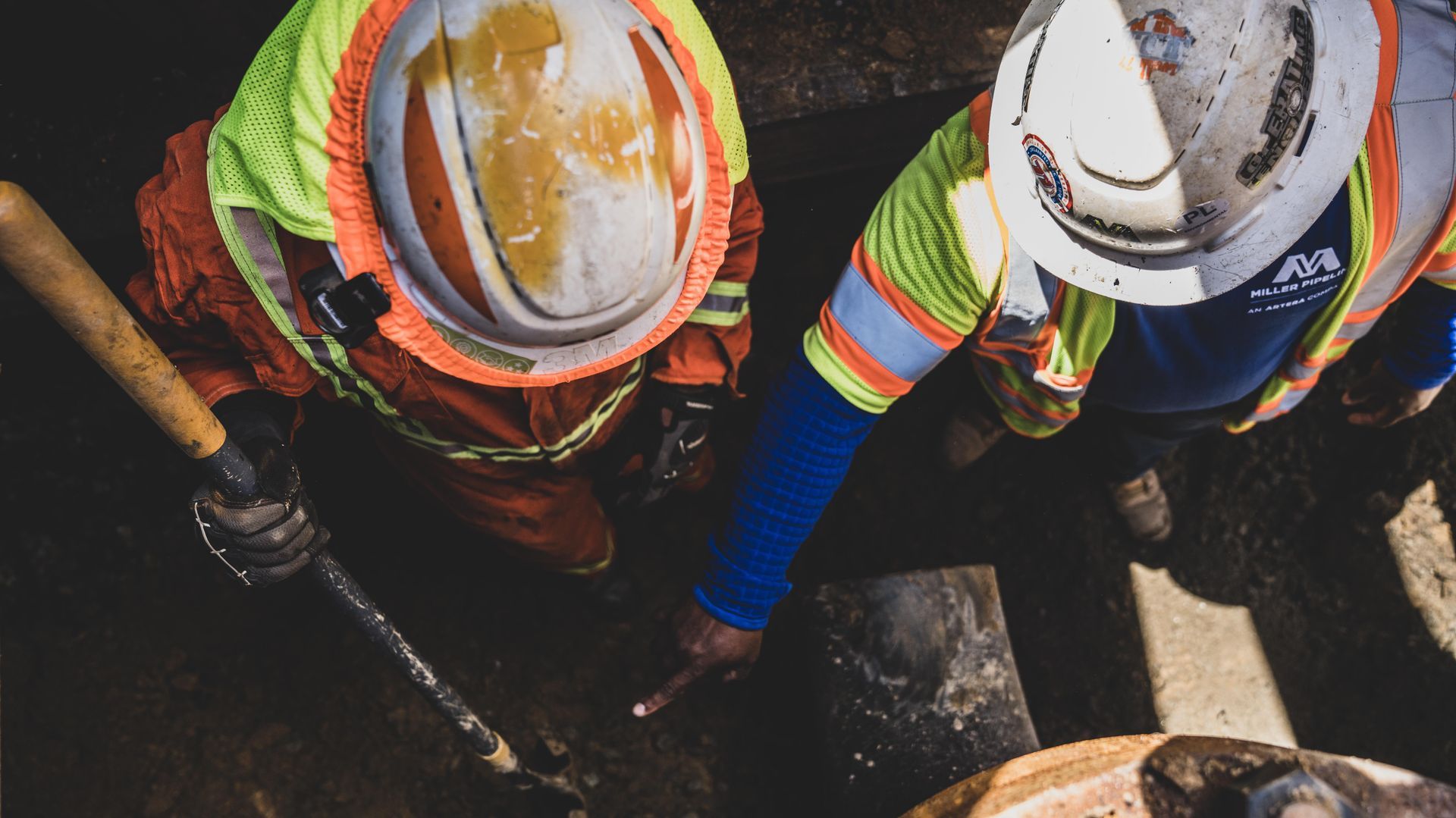
Span of control refers to the practice of allowing an unqualified worker to perform a covered task while being directed and observed by a qualified person.
By Energy Worldnet (EWN) May 27, 2026
Former PHMSA leaders discuss PSMS, OQ, safety culture, contractor oversight, and the future of pipeline safety and compliance.
By Kevin Speicher April 30, 2026
PHMSA reinforcing sharper operational expectations: excavation damage remains one of the leading threats to pipeline safety.
Compliance Leadership Forum title slide on a dark blue screen with yellow and white text.
By Ashley Jesko February 26, 2026
Energy Worldnet (EWN) hosted the first-ever Compliance Leadership Forum (CLF)—a peer-to-peer space designed for candid, practical conversations about pipeline compliance and safety. Hosted by James Cross (Chief Experience Officer, EWN), the session brought together more than 150 years of combined experience from former state and federal regulators and industry leaders. Meet the panel Kevin Speicher, Senior Regulatory Advisor, EWN; former Chief of Pipeline Safety, New York State Department of Public Service Steve Allen, former Director of Pipeline Safety, State of Indiana; longtime PSMS advocate and former EWN executive Alan Mayberry, former PHMSA Associate Administrator, now with Jana and serving on boards focused on advanced risk and geohazards Jeff Wiese, former PHMSA Associate Administrator; former offshore operations leader; longtime safety management advocate The tone was clear from the start: no judgment, anonymous questions, and a focus on what operators can actually do next.
EWN PHMSA Update graphic with “Read More” on a dark teal background
By Kevin Speicher February 19, 2026
PHMSA has issued Advisory Bulletin ADB-2026-04, reminding gas pipeline, underground natural gas storage (UNGS), and LNG operators that incidents must be reported to the National Response Center (NRC) at the earliest practicable moment — and no later than one hour after confirmed discovery.

Show More