
What Is an Instructional Design and Development Program?

Energy Worldnet (EWN) • January 26, 2023

Share this article

Change is necessary. Unfortunately, it can be difficult. At Energy Worldnet, our mission is to make change easier for businesses. We do this by learning about the unique challenges you face within your business and industry, designing a plan to address them, and developing your team into the powerhouse performers you need them to be. Our instructional design and development program transforms your employees taking them from capable professionals and turning them into industry leaders. Of course, for many business leaders, that begs the question, what is an instructional design and development program?

Instructional Design and Development Program Basics

Essentially, an instructional design and development program refers to the creation of learning or instructional materials based on how people learn on an individual level. You see, not everyone learns best the same way. The best programs incorporate various instructional and teaching methods with materials that support all learning types so that they can help individual learners achieve their goals.

From a business perspective, business leaders understand how they learn and often assume others can and do learn the same way. While it may be true that they can learn, given enough time and effort, in the same way, that doesn't mean it is the best way for the majority of your team to do so. In fact, offering a broader presentation of learning materials and methods allows for the greatest likelihood of universal success, which benefits everyone.

What are the benefits of this type of instructional design? There are actually quite a few benefits to this process. Some of the most highly regarded are the following:

  • Cost-effective . This instructional method is a solid investment for forward-thinking businesses and far less expensive than wasted effort.
  • Efficient . This method of instruction allows students to advance quickly.
  • Engaging . Since it addresses different learning styles, students become engaged in the learning process. This means more people learn from this method.
  • Customizable . This means that businesses in any industry can customize the materials to meet unique needs and situations.
  • Results-oriented . With lessons designed to engage students, more students reach their learning goals.

The best training programs are designed to reach all students and develop leaders for your business. That is what we do best at Energy Worldnet.

How Does Instructional Design and Development Work?

Our mission is to teach the people who create learning courses for your employees to assess the needs of individuals being educated, to identify various learning objectives, and to create content (as well as assessments) that ensure sufficient knowledge transfer occurs. Our instructional design and development program builds upon skills we teach in other programs and courses so that you are able to do all the things required to ensure proper training and education occur within the courses you create. This includes teaching the following essential skills.

  • How to use the "needs assessment approach" for developing training.
  • Identifying the components of effective learning objectives.
  • Identifying relevant training content and best practices for implementation of said content.
  • How to develop courses following the Kirkpatrick New World Model and its levels.
  • How to navigate and input course content using the E3 System.

Investing in an Instructional Design and Development Program

Investing in this program is an investment in the future of your business. Those who develop training courses for your employees will be able to assess the needs of those they are training and create courses designed to meet those needs so your people can learn quickly, efficiently, and with as little downtime as possible. That is a boon for businesses that lose countless dollars when training new employees and retraining employees who may struggle to meet the demands of your business or require frequent refreshers to adapt to new technologies and techniques.

The people who develop courses to train and inform your workers determine, to a large degree, how successful your business will become. By investing in them and giving them the tools they need through our instructional design and development program, you are priming your business for continued success.

Are you ready to get better, faster results from your training efforts? Perhaps it's time for your business to make the investment in our instructional design and development program so that your leaders can address unique needs and identify the best possible methods to help your people learn. Don't waste more time, effort, and money on training programs that are ineffective at best. Instead, invest in the education and training to help your people come up with programs that benefit your unique business and the people who make it run. Schedule an instructional design and development program class today to begin your journey into next-level employee training.

Recent Posts

By Kevin Speicher July 24, 2026
PHMSA just issued ADB-2026-06, an advisory bulletin reminding gas distribution operators of their existing obligations under 49 CFR Part 192, subpart P.

By Kevin Speicher July 22, 2026
On July 30, 2026 PHMSA is bringing the Gas Pipeline Advisory Committee & the Liquid Pipeline Advisory Committee together for a virtual meeting.
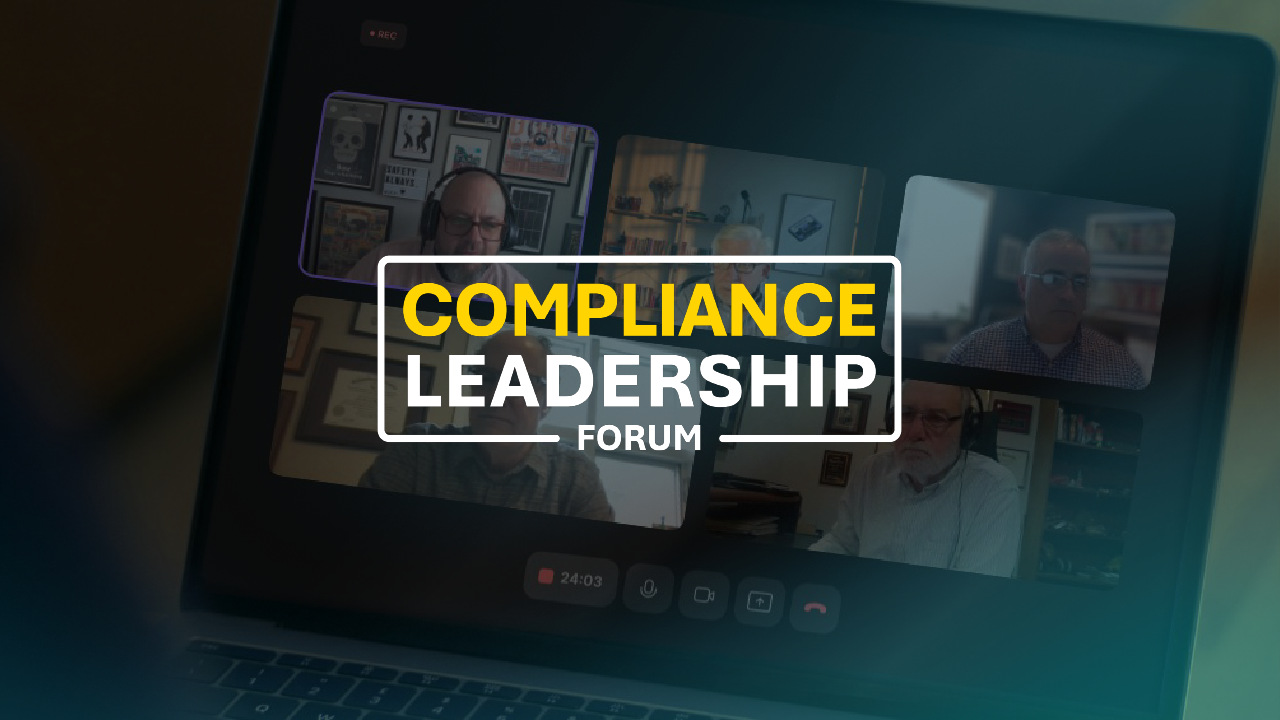
By Energy Worldnet (EWN) July 10, 2026
EWN's Regulatory Advisory Group breaks down RP 1173, PHMSA's new leadership, ECA rulemaking, multi-state OQ compliance, and PSMS for small operators.
By Kevin Speicher June 24, 2026
PHMSA's new approach of issuing 40+ targeted rulemakings instead of mega rules, and what the substantive changes mean for pipeline operators.
By Kevin Speicher June 24, 2026
PHMSA's Technical Pipeline Safety Standards Committee (GPAC) met on May 28, 2026, to work through the Safety of Gas Distribution Pipelines rule. Here's what happened and what operators need to know.
By Kevin Speicher June 19, 2026
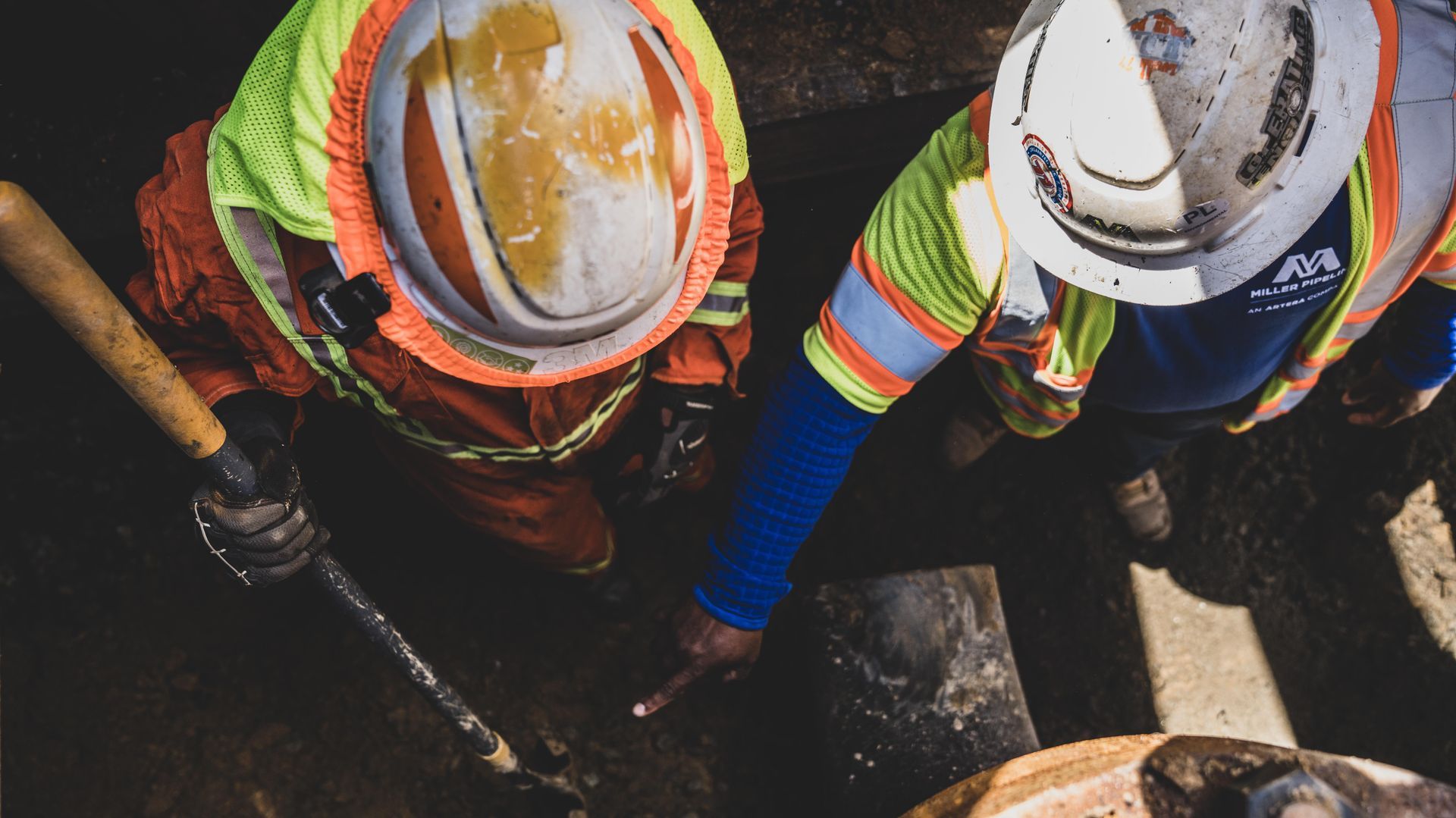
Span of control refers to the practice of allowing an unqualified worker to perform a covered task while being directed and observed by a qualified person.
By Energy Worldnet (EWN) May 27, 2026
Former PHMSA leaders discuss PSMS, OQ, safety culture, contractor oversight, and the future of pipeline safety and compliance.
By Kevin Speicher April 30, 2026
PHMSA reinforcing sharper operational expectations: excavation damage remains one of the leading threats to pipeline safety.
Compliance Leadership Forum title slide on a dark blue screen with yellow and white text.
By Ashley Jesko February 26, 2026
Energy Worldnet (EWN) hosted the first-ever Compliance Leadership Forum (CLF)—a peer-to-peer space designed for candid, practical conversations about pipeline compliance and safety. Hosted by James Cross (Chief Experience Officer, EWN), the session brought together more than 150 years of combined experience from former state and federal regulators and industry leaders. Meet the panel Kevin Speicher, Senior Regulatory Advisor, EWN; former Chief of Pipeline Safety, New York State Department of Public Service Steve Allen, former Director of Pipeline Safety, State of Indiana; longtime PSMS advocate and former EWN executive Alan Mayberry, former PHMSA Associate Administrator, now with Jana and serving on boards focused on advanced risk and geohazards Jeff Wiese, former PHMSA Associate Administrator; former offshore operations leader; longtime safety management advocate The tone was clear from the start: no judgment, anonymous questions, and a focus on what operators can actually do next.
EWN PHMSA Update graphic with “Read More” on a dark teal background
By Kevin Speicher February 19, 2026
PHMSA has issued Advisory Bulletin ADB-2026-04, reminding gas pipeline, underground natural gas storage (UNGS), and LNG operators that incidents must be reported to the National Response Center (NRC) at the earliest practicable moment — and no later than one hour after confirmed discovery.

Show More