CGA Best Practices for Line Locating

Energy Worldnet (EWN) • October 4, 2022

Share this article

Did you know that someone strikes an underground line in the U.S. every nine minutes?

This is something that places lives at risk, causes costly damages, and can cause power disruptions to friends, neighbors, and nearby businesses. The sad reality is that it is almost 100 percent preventable.

Ordinary residents need to call 811 before they dig so that a line locating service can identify the locations of buried utility lines for them. Businesses that offer locating services understand the importance of accuracy when identifying and locating these lines for the purpose of saving lives, reducing injuries, protecting property, and keeping utilities flowing to millions of people each day.

What are Line Location Best Practices?

To achieve this end, the Common Ground Alliance or CGA has created a list of CGA best practices for line locating to help providers locate lines more efficiently, accurately, and in a more cost-effective manner than ever before. The goal is always to prevent injuries to people digging but also to prevent damage to property as well.

With rampant workforce turnovers, we run the risk of knowledge deserts across the country, which is why Energy Worldnet offers smart training to businesses that offer these services. This training is designed to help you create a workforce of master craftsmen and women when it comes to the art of locating and preventing damage.

How Can Businesses Improve Line Locating Services?

One of the most important services businesses can provide for the community is one that locates lines swiftly and accurately every time. Buried lines are a boon for the landscape and help to reduce power outages related to storm damage, wind, and downed trees. However, digging presents additional challenges that must be accounted for. That is where line locating service providers come into the picture. However, with a rapidly diminishing knowledge base in this field, it is increasingly difficult to provide adequate training and education to those locating and marking these lines.

In fact, CGA best practices recently released its latest version, version 18.0, to aid operations, like yours, in locating and marking lines so that everyone is on the same page about lines, markings, and maintaining safety all around. Among the many standards and best practices discussed are the following:

  • Color coding that is uniform and adopted nationwide so there is no confusion from one community to the next.
  • The use of single locators to mark multiple facilities.
  • Using available records as essential resources in the location process.
  • Issuing corrections and updates as appropriate.
  • Extensive and comprehensive line locator training.
  • Paying attention to safety, including concerns about obstructions, traffic, and physical conditions at the site.
  • Visual inspections that include identifying access points, possible hazards, and determining that the visuals match the information site records indicate.
  • Investigating damage as soon as it occurs to determine the extent and root causes of the damage.
  • Documenting work performed on lines as it occurs so that records remain up to date.

Importance of Locating Best Practices

Of course, these are only a few important components for effective line locating and a sampling of the best practices the CGA recommends. However, with the right training, organizations, like yours, can easily meet and even exceed these best practices to provide exceptional locating services and ensure exceptional quality work every time your team is called upon to handle this important task.

Line locating is not only important for individuals who require the services before digging. It is important to larger communities that are served by the men and women who provide this essential service. Training them to do their jobs right, the first time, every time, is critical.

Training Software for Line Locating

Energy Worldnet is a leader in innovative training software that can help you create a workforce of professionals who are masters at their crafts. This includes delicate tasks like locating and damage prevention. We offer many courses that can help you elevate your existing workforce or bring new employees quickly up to speed for effective locating.

This includes the Master Evaluator Certificate Program (MECP) which helps you create evaluators and trainers who are not only masters of their own craft but also highly qualified to train and evaluate others in the craft as well. This will address the rapidly shrinking knowledge base within the industry while preparing the next round of recruits for long and fruitful careers.

Additionally, the Master Trainer Development Program (MTDP), also works to help your organization develop training programs that will meet your direct needs rather than working within a one-size-fits-all solution that may not be right for your business needs.

Beyond these, Energy Worldnet offers a wide range of instructional options, including a four-hour line locating and damage prevention course. Contact us today to learn more about our many course options and to determine how we can help your organization excel in an increasingly competitive marketplace.

Recent Posts

By Kevin Speicher July 24, 2026
PHMSA just issued ADB-2026-06, an advisory bulletin reminding gas distribution operators of their existing obligations under 49 CFR Part 192, subpart P.

By Kevin Speicher July 22, 2026
On July 30, 2026 PHMSA is bringing the Gas Pipeline Advisory Committee & the Liquid Pipeline Advisory Committee together for a virtual meeting.
By Energy Worldnet (EWN) July 10, 2026
EWN's Regulatory Advisory Group breaks down RP 1173, PHMSA's new leadership, ECA rulemaking, multi-state OQ compliance, and PSMS for small operators.
By Kevin Speicher June 24, 2026
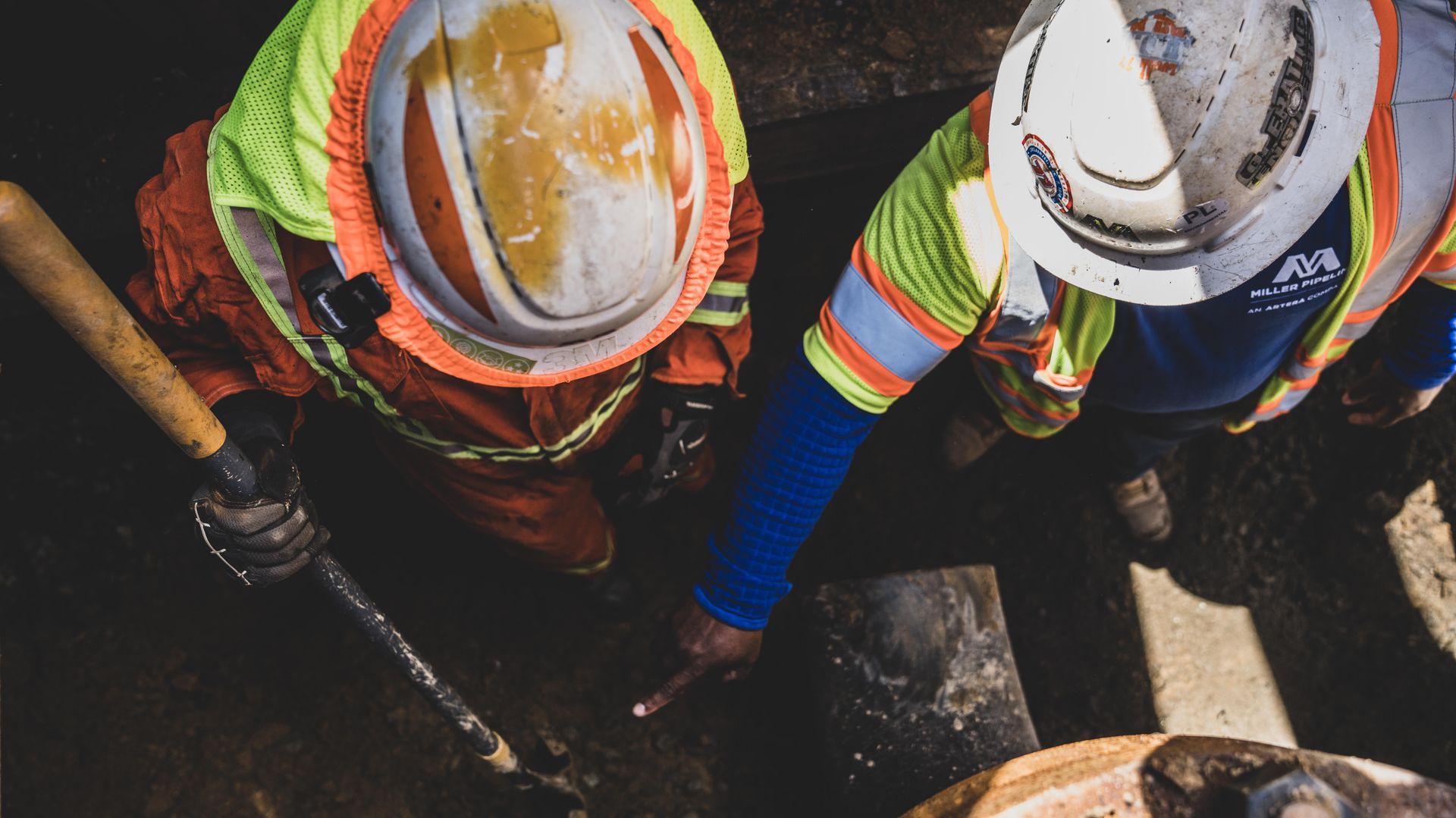
PHMSA's new approach of issuing 40+ targeted rulemakings instead of mega rules, and what the substantive changes mean for pipeline operators.
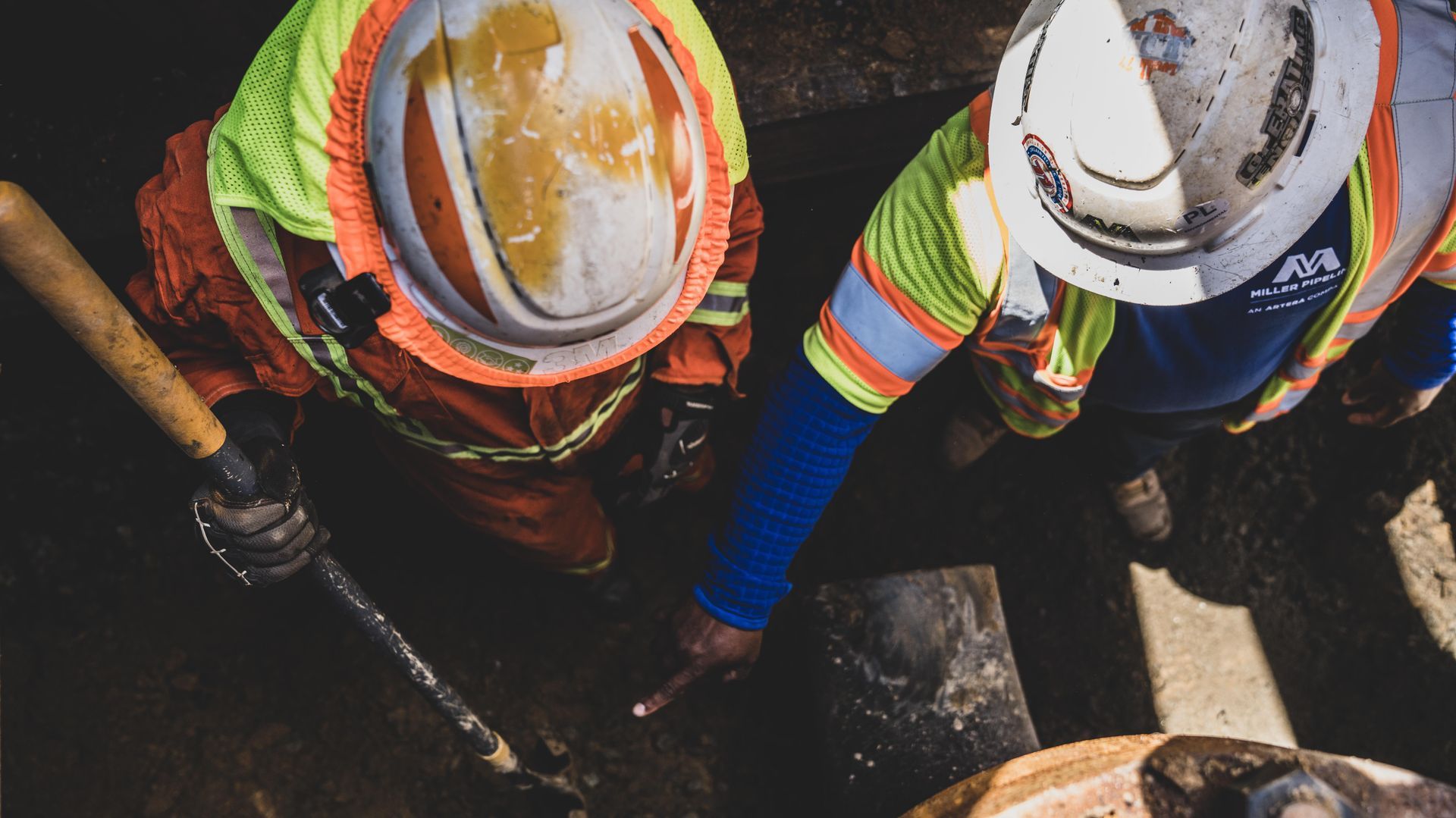
By Kevin Speicher June 24, 2026
PHMSA's Technical Pipeline Safety Standards Committee (GPAC) met on May 28, 2026, to work through the Safety of Gas Distribution Pipelines rule. Here's what happened and what operators need to know.
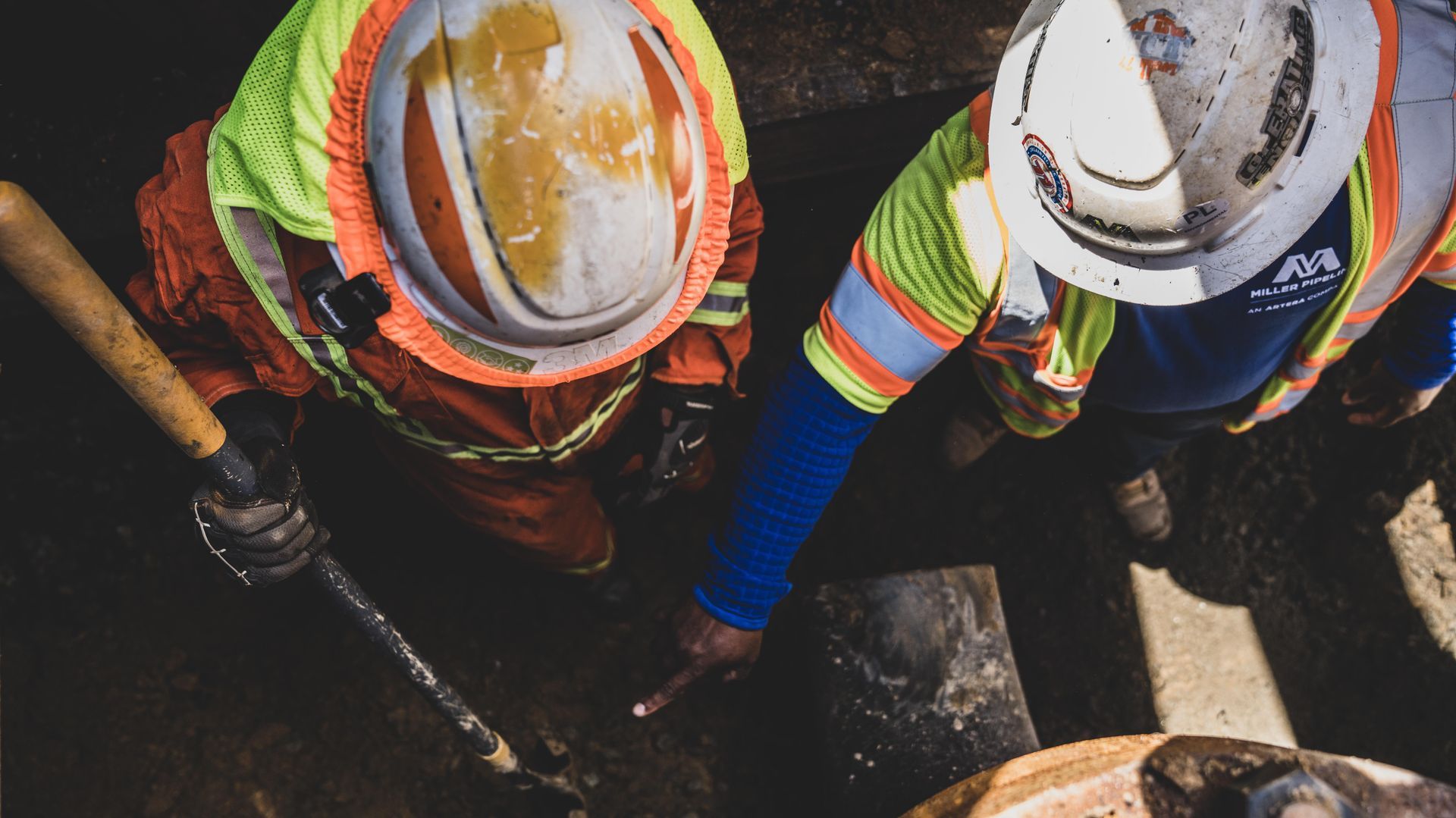
By Kevin Speicher June 19, 2026
Span of control refers to the practice of allowing an unqualified worker to perform a covered task while being directed and observed by a qualified person.
By Energy Worldnet (EWN) May 27, 2026
Former PHMSA leaders discuss PSMS, OQ, safety culture, contractor oversight, and the future of pipeline safety and compliance.
By Kevin Speicher April 30, 2026
PHMSA reinforcing sharper operational expectations: excavation damage remains one of the leading threats to pipeline safety.
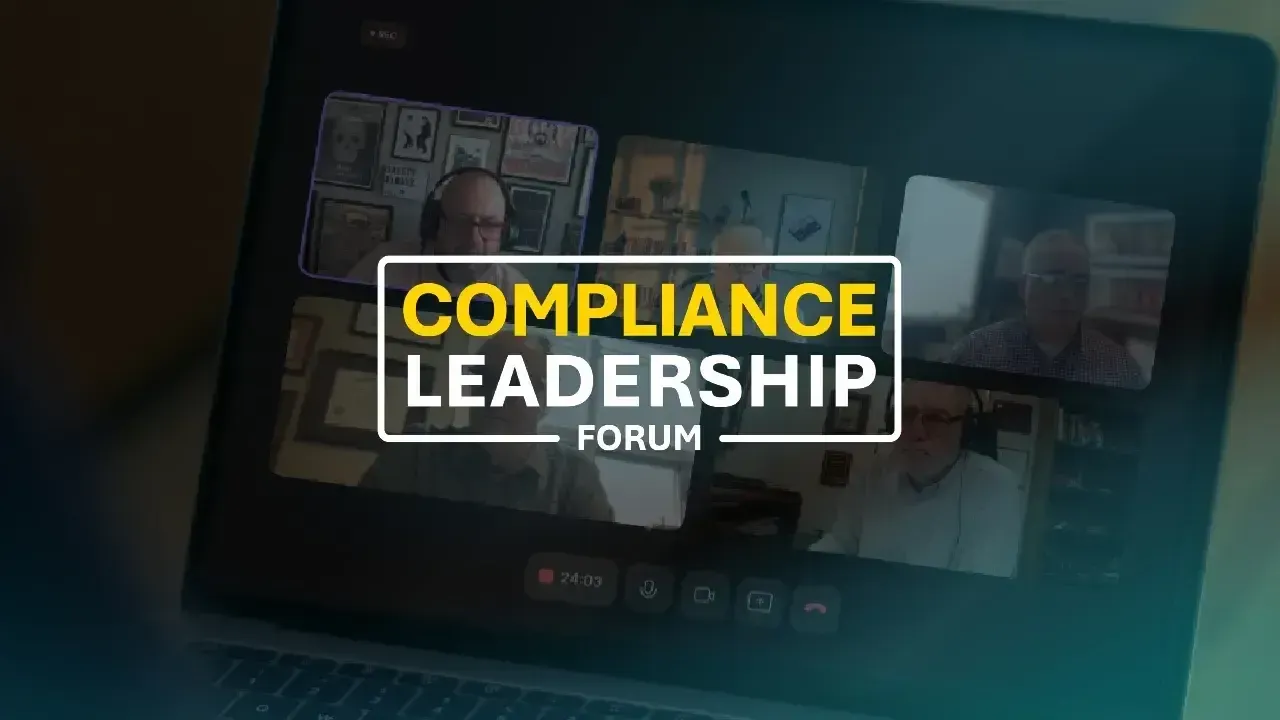
Compliance Leadership Forum title slide on a dark blue screen with yellow and white text.
By Ashley Jesko February 26, 2026
Energy Worldnet (EWN) hosted the first-ever Compliance Leadership Forum (CLF)—a peer-to-peer space designed for candid, practical conversations about pipeline compliance and safety. Hosted by James Cross (Chief Experience Officer, EWN), the session brought together more than 150 years of combined experience from former state and federal regulators and industry leaders. Meet the panel Kevin Speicher, Senior Regulatory Advisor, EWN; former Chief of Pipeline Safety, New York State Department of Public Service Steve Allen, former Director of Pipeline Safety, State of Indiana; longtime PSMS advocate and former EWN executive Alan Mayberry, former PHMSA Associate Administrator, now with Jana and serving on boards focused on advanced risk and geohazards Jeff Wiese, former PHMSA Associate Administrator; former offshore operations leader; longtime safety management advocate The tone was clear from the start: no judgment, anonymous questions, and a focus on what operators can actually do next.
EWN PHMSA Update graphic with “Read More” on a dark teal background
By Kevin Speicher February 19, 2026
PHMSA has issued Advisory Bulletin ADB-2026-04, reminding gas pipeline, underground natural gas storage (UNGS), and LNG operators that incidents must be reported to the National Response Center (NRC) at the earliest practicable moment — and no later than one hour after confirmed discovery.

Show More