What Is Steel and Plastic Pipe Repair Training?

Energy Worldnet (EWN) • September 12, 2022

Share this article

Everyone begins somewhere. Even when it comes to pipe repair training. Energy Worldnet offers a wide range of opportunities to help businesses create leaders when it comes to training in the art of pipe repair. We will help your team refine its craft and prepare your leaders to educate and evaluate others.

In fact, Energy Worldnet offers two programs that may be of interest to anyone seeking to any business that deals with pipe repair. We offer the Master Evaluator Certificate Program (MECP) and the Master Trainer Development Program (MTDP). Of course, that is only the beginning. We offer a full library of online content to help you grow artisans and leaders in the pipe repair space. From instructional design to leadership development programs and all points between, we offer many outstanding learning and training opportunities for your employees.

Who Might Benefit from Our MECP Program?

The Master Evaluator Certificate Program provides cutting-edge tools and the latest principles for conducting evaluations and presents them in a comfortable learning space. This program is ideal for the following members of your team:

  • Evaluators
  • Supervisors
  • Foreman
  • Trainers
  • Teachers
  • Proctors
  • Managers

Not only does this course prepare your evaluators to "grade" written examinations, but also to conduct performance-based assessments and appraisals, as well. More importantly, members of your team will learn to properly document the records of their evaluations for greater transparency in the evaluation and "grading" process.

The goal for all evaluations, when it comes to pipe repair training, is to generate productive, effective, members of the team who are qualified to perform proper pipe repairs. The right evaluators are key components for effective evaluations. We can help with that. MECP program participants not only receive a stellar education concerning the evaluation process and best practices but also receive cool merchandise and reference materials they can continue using long after the course ends.

What Are the Benefits of the MTDP Program?

The Master Trainer Development Program provides trainers with the tools and techniques necessary to train the pipe repair professionals of tomorrow properly, today. Some of the key lessons participants will learn in this class include:

  • How to accommodate different learning styles.
  • How to deliver training materials that reach all students.
  • How to teach accident avoidance in the training process.
  • The 6 principles of adult learning theory.
  • How to create positive learning environments.
  • How to determine the difference between confidence and competence (and why it matters).
  • How to recognize the role of the Master Trainer.

Beyond these vital lessons, Energy Worldnet also offers education related to creating effective instructional design and development programs that you can use to raise the bar, instructionally speaking, throughout your entire organization. This includes training on how to assess the needs of your people and create training that addresses areas of weakness, how to create and implement training content for maximum effectiveness, and how to use the New World Kirkpatrick Model to create effective plans for training and evaluation within your organization.

Is Leadership Development Important for Your Organization?

Leaders can be created. You want the best of the best to teach your style of pipe repair and more. When it comes to effective pipe repair training, it's about so much more than drilling content and delivering a message. Developing a team of leaders who others will want to follow, emulate, and listen to is essential for perfecting your process and growing your organization. The Energy Worldnet education also offers a Soft Skills class designed to help you build on the raw materials potential leaders in your organization possess so that you can transform them into the leaders you seek.

Training Novices: Let Energy Worldnet Simplify the Process

Energy Worldnet understands the challenges organizations face when creating educational training programs for true novices. That is why we offer our four-hour Steel and Plastic Pipe Repair course to help novices avoid many common mistakes while learning best practices for repairs using clamps, sleeves, saddles, patches, fusion, and more. Not only can novices gain a great deal from this no-nonsense course, but it also serves as an excellent refresher course for employees who have intermediate skills and perhaps need a refresher on safety and best practices.

Pipe repair training is not a one-size-fits-all process. That is why it is so important for organizations to seek different avenues to help their employees learn the ins and outs of pipe repair. Whether you're working with steel pipes or plastic, our pipe repair training can be instrumental for your workforce while saving you a lot of time, effort, and aggravation in the training process.

Contact us today to learn more about the many ways we can help you grow by training leaders while addressing the needs of novices and intermediate team members alike.

Recent Posts

By Kevin Speicher July 24, 2026
PHMSA just issued ADB-2026-06, an advisory bulletin reminding gas distribution operators of their existing obligations under 49 CFR Part 192, subpart P.

By Kevin Speicher July 22, 2026
On July 30, 2026 PHMSA is bringing the Gas Pipeline Advisory Committee & the Liquid Pipeline Advisory Committee together for a virtual meeting.
By Energy Worldnet (EWN) July 10, 2026
EWN's Regulatory Advisory Group breaks down RP 1173, PHMSA's new leadership, ECA rulemaking, multi-state OQ compliance, and PSMS for small operators.
By Kevin Speicher June 24, 2026
PHMSA's new approach of issuing 40+ targeted rulemakings instead of mega rules, and what the substantive changes mean for pipeline operators.
By Kevin Speicher June 24, 2026
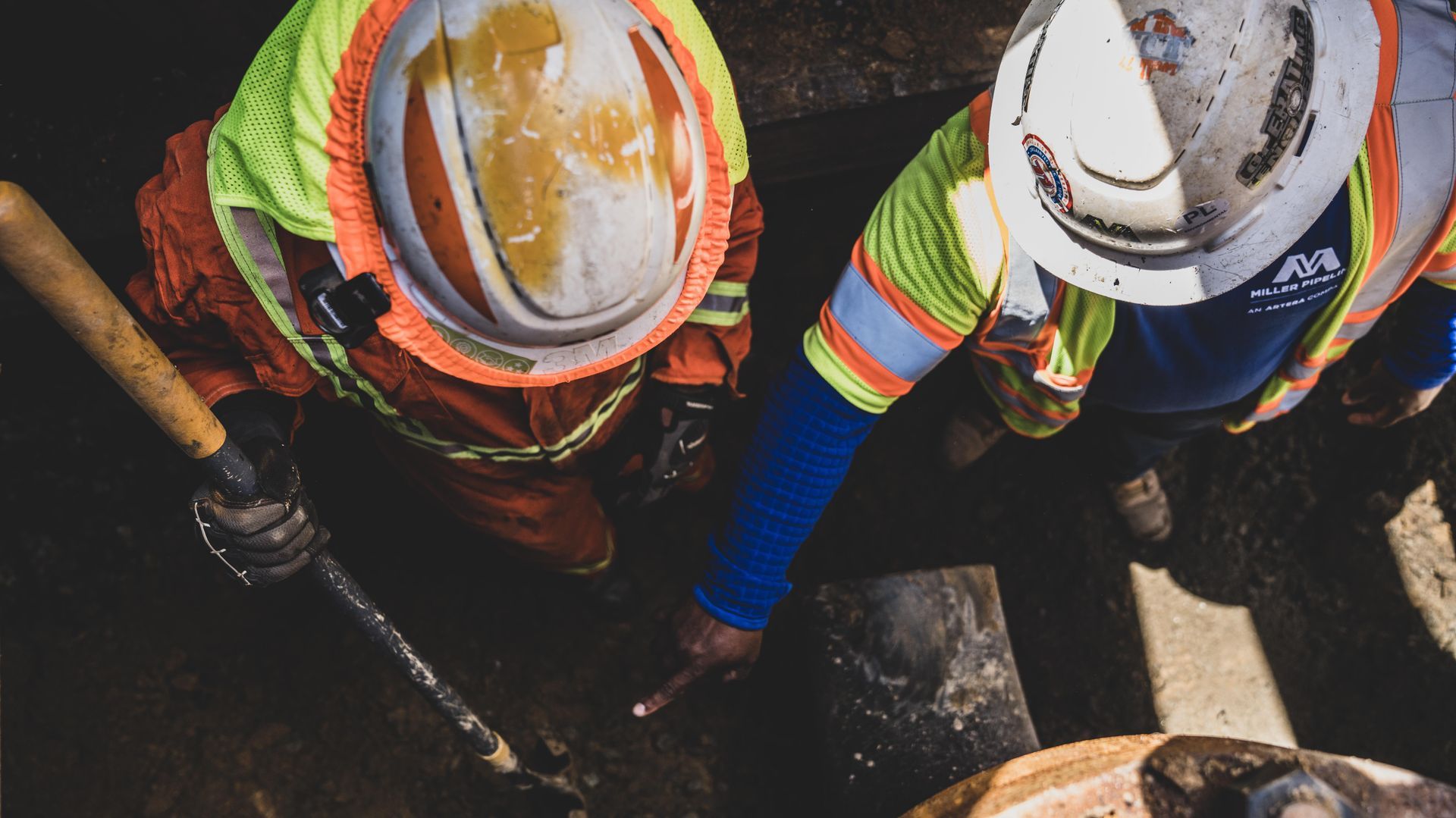
PHMSA's Technical Pipeline Safety Standards Committee (GPAC) met on May 28, 2026, to work through the Safety of Gas Distribution Pipelines rule. Here's what happened and what operators need to know.
By Kevin Speicher June 19, 2026
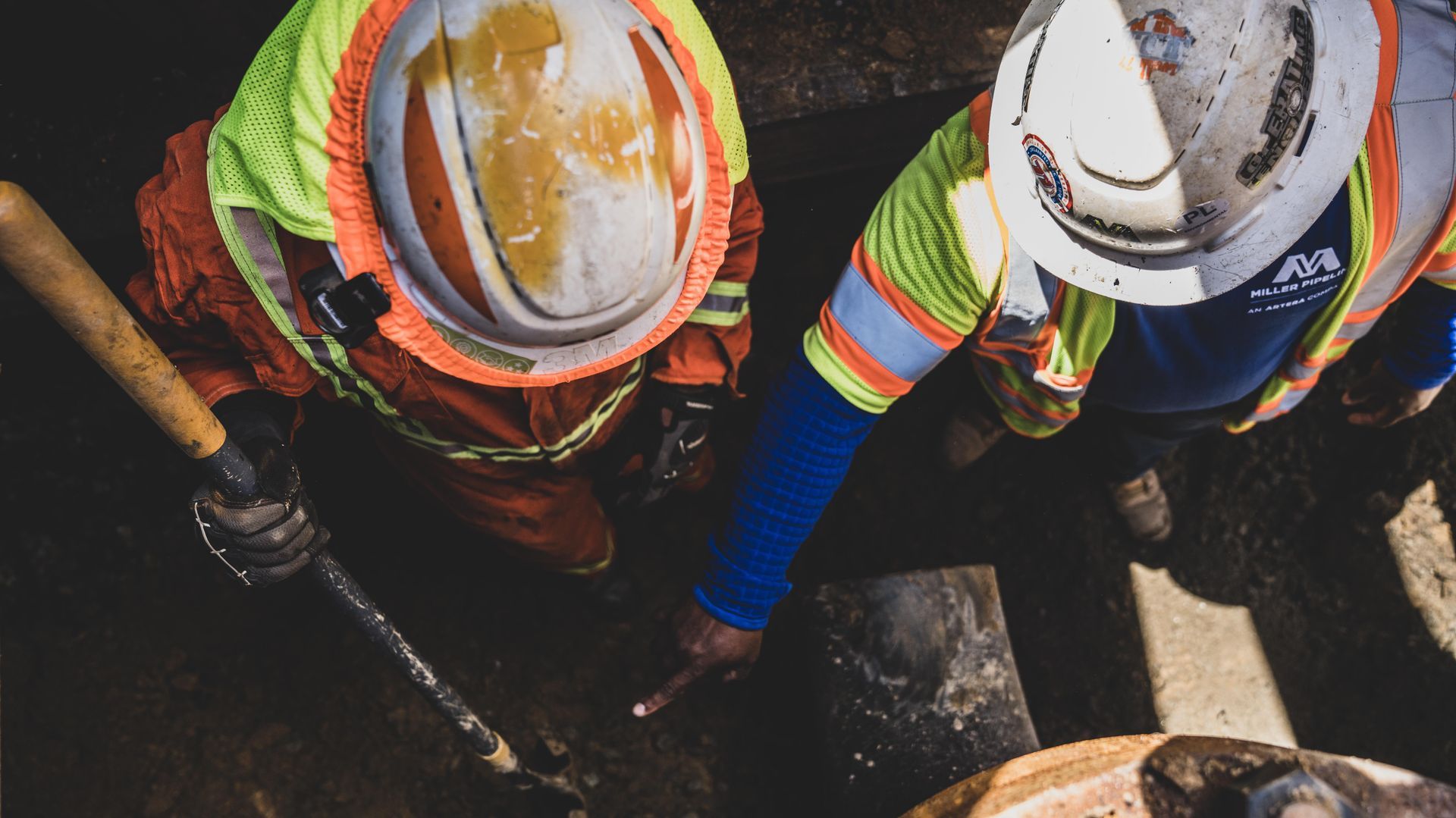
Span of control refers to the practice of allowing an unqualified worker to perform a covered task while being directed and observed by a qualified person.
By Energy Worldnet (EWN) May 27, 2026
Former PHMSA leaders discuss PSMS, OQ, safety culture, contractor oversight, and the future of pipeline safety and compliance.
By Kevin Speicher April 30, 2026
PHMSA reinforcing sharper operational expectations: excavation damage remains one of the leading threats to pipeline safety.
Compliance Leadership Forum title slide on a dark blue screen with yellow and white text.
By Ashley Jesko February 26, 2026
Energy Worldnet (EWN) hosted the first-ever Compliance Leadership Forum (CLF)—a peer-to-peer space designed for candid, practical conversations about pipeline compliance and safety. Hosted by James Cross (Chief Experience Officer, EWN), the session brought together more than 150 years of combined experience from former state and federal regulators and industry leaders. Meet the panel Kevin Speicher, Senior Regulatory Advisor, EWN; former Chief of Pipeline Safety, New York State Department of Public Service Steve Allen, former Director of Pipeline Safety, State of Indiana; longtime PSMS advocate and former EWN executive Alan Mayberry, former PHMSA Associate Administrator, now with Jana and serving on boards focused on advanced risk and geohazards Jeff Wiese, former PHMSA Associate Administrator; former offshore operations leader; longtime safety management advocate The tone was clear from the start: no judgment, anonymous questions, and a focus on what operators can actually do next.
EWN PHMSA Update graphic with “Read More” on a dark teal background
By Kevin Speicher February 19, 2026
PHMSA has issued Advisory Bulletin ADB-2026-04, reminding gas pipeline, underground natural gas storage (UNGS), and LNG operators that incidents must be reported to the National Response Center (NRC) at the earliest practicable moment — and no later than one hour after confirmed discovery.

Show More