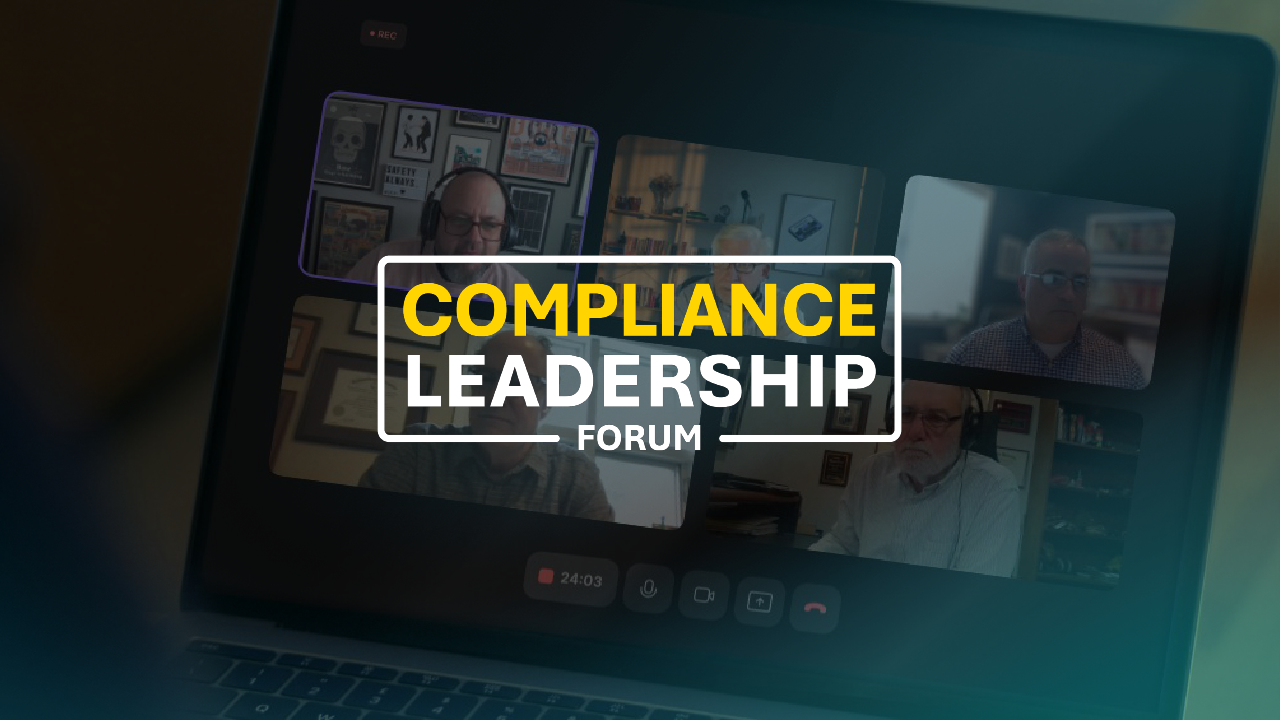
Energy Worldnet (EWN) hosted the Compliance Leadership Forum (CLF) —a peer-to-peer space designed Multi-state OQ compliance: make the program your own One of the most detailed exchanges addressed a familiar pain point—staying compliant across states with different OQ requirements. Kevin Speicher walked through how states like Connecticut and New York have gone beyond the federal baseline: eliminated the old four-part test, made AOC questions critical (missing one means failing the evaluation), addressed span of control (New York left it to the operator with documentation; Connecticut capped it at one-to-one), and added a required OQ effectiveness review. Key takeaway: enhanced state requirements generally apply to intrastate operators. Interstate operators still fall under 49 CFR 192's four-part test, though state damage prevention laws (like warning tape requirements) can still apply. The panel's advice for multi-state contractors: Open communication channels with clients, operators, and regulators. Lean on resources like the Distribution Contractors Association and NAPSR's state compendium. Build your OQ program around your actual equipment and procedures—not an off-the-shelf template you can't modify. Regulator's Notes: CA, ME, NJ, OH, and WA have included new construction as covered tasks. Does OQ actually reduce incidents? Asked directly whether two decades of Operator Qualification requirements have moved the needle, the panel was candid. Alan Mayberry traced OQ's origins to an over-pressure incident and noted real gaps remain—OQ still doesn't cover construction, and carries an exception for emergency response. Kevin Speicher observed that training quality dipped in some corners early on (schools teaching to the test) but has steadily improved, with many contractor programs now rivaling operator programs. Jeff Wiese offered the sharpest framing: OQ was never meant to be about passing a test—it's about quality and genuine competence, the kind that catches problems before they become incidents. Steve Allen pointed to where this is headed next: using AI and better data (drawing on RP 1186's emerging KPIs) to actually measure program effectiveness instead of assuming it. Damage prevention and leak detection: two areas to watch In the speed round, two items stood out: A damage prevention professional certification program is currently in development through Utility Safety Partners, with Steve Allen and Jeff Wiese both serving on the advisory council. The upcoming PHMSA public meeting on advanced leak detection (tied to Section 722) will likely continue focusing on prioritizing large leaks and performance-based outcomes over specific technologies, per Alan Mayberry and Jeff Wiese. Steve Allen's closing note on damage prevention: be intentional, be data-driven, communicate constantly, and lean on the Common Ground Alliance's Damage Prevention Institute rather than reinventing the wheel. Speed Round Highlights To close, each panelist fielded a rapid-fire question from host James Cross: Making OQ your own (Kevin Speicher): the program should reflect your actual system and operational realities—your tasks, your training, your evaluations. If it's your program, you shouldn't need permission to adapt it. How safe is safe? (Alan Mayberry): there's no fixed acceptable-risk threshold in the code—operators weigh multiple factors, from internal risk models to state commission requirements, in a landscape with little public tolerance for pipeline incidents. Where SMS falls short (Jeff Wiese): stakeholder engagement remains a major growth area—true engagement means listening, not just informing—along with weak continuous improvement cycles. Reducing excavation damage (Steve Allen): be intentional, be data-driven, communicate constantly, and use the Common Ground Alliance's Damage Prevention Institute. What's next EWN will continue answering unaddressed questions directly and keep the conversation going through LinkedIn and future events. The next Compliance Leadership Forum is expected in Q4. James wrapped up the session: "Glad we were able to get into some of the hard-hitting questions—looking forward to answering more in the future."
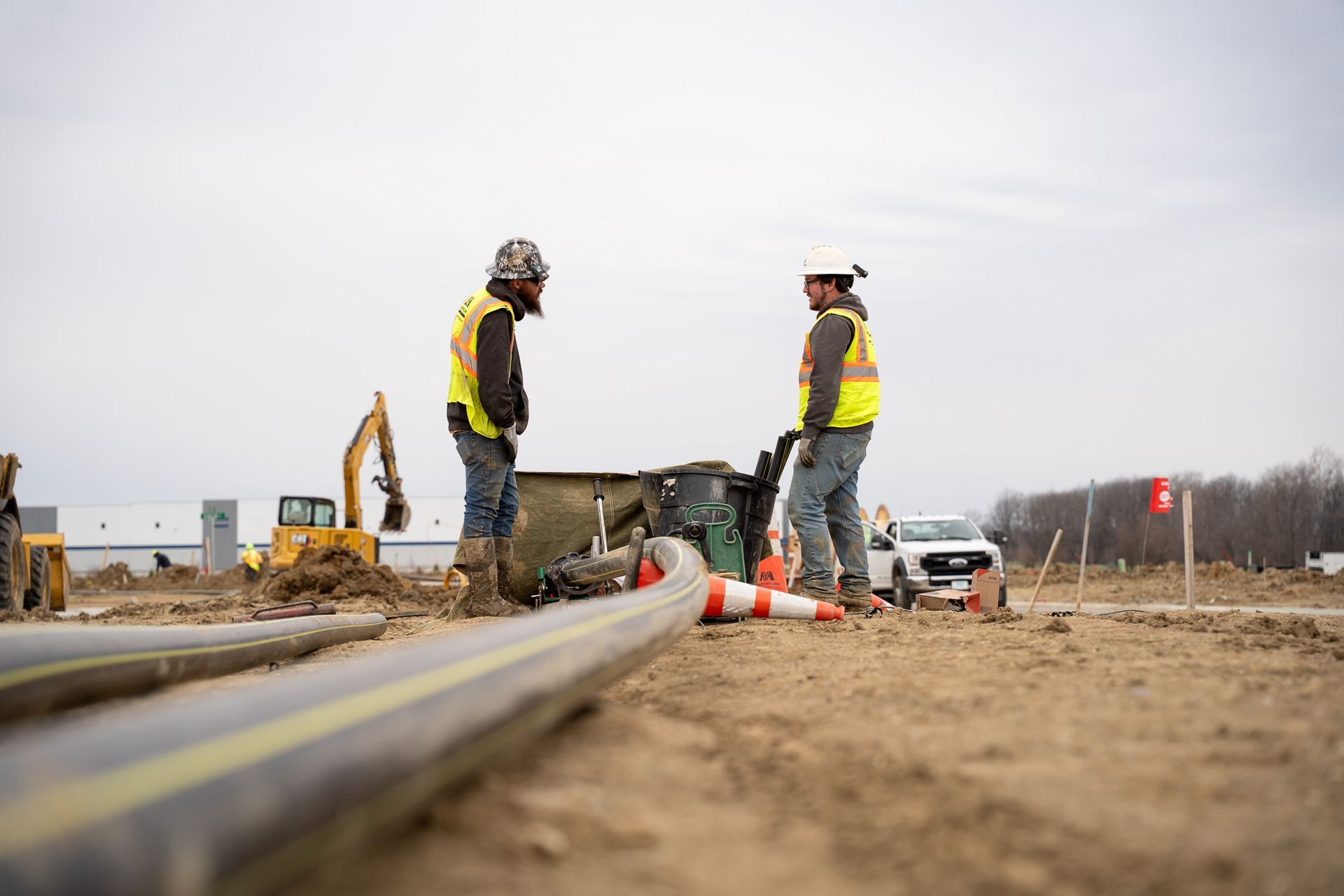
Up to half the utility workforce could retire within a decade. Here's why OQ onboarding speed, not headcount alone, is becoming the real safety variable.

Every OQ program rests on 9 provisions in 49 CFR 192.805. Here's each one explained in full, with the specific requirement behind it.

PHMSA just issued ADB-2026-06, an advisory bulletin reminding gas distribution operators of their existing obligations under 49 CFR Part 192, subpart P.

On July 30, 2026 PHMSA is bringing the Gas Pipeline Advisory Committee & the Liquid Pipeline Advisory Committee together for a virtual meeting.
EWN's Regulatory Advisory Group breaks down RP 1173, PHMSA's new leadership, ECA rulemaking, multi-state OQ compliance, and PSMS for small operators.
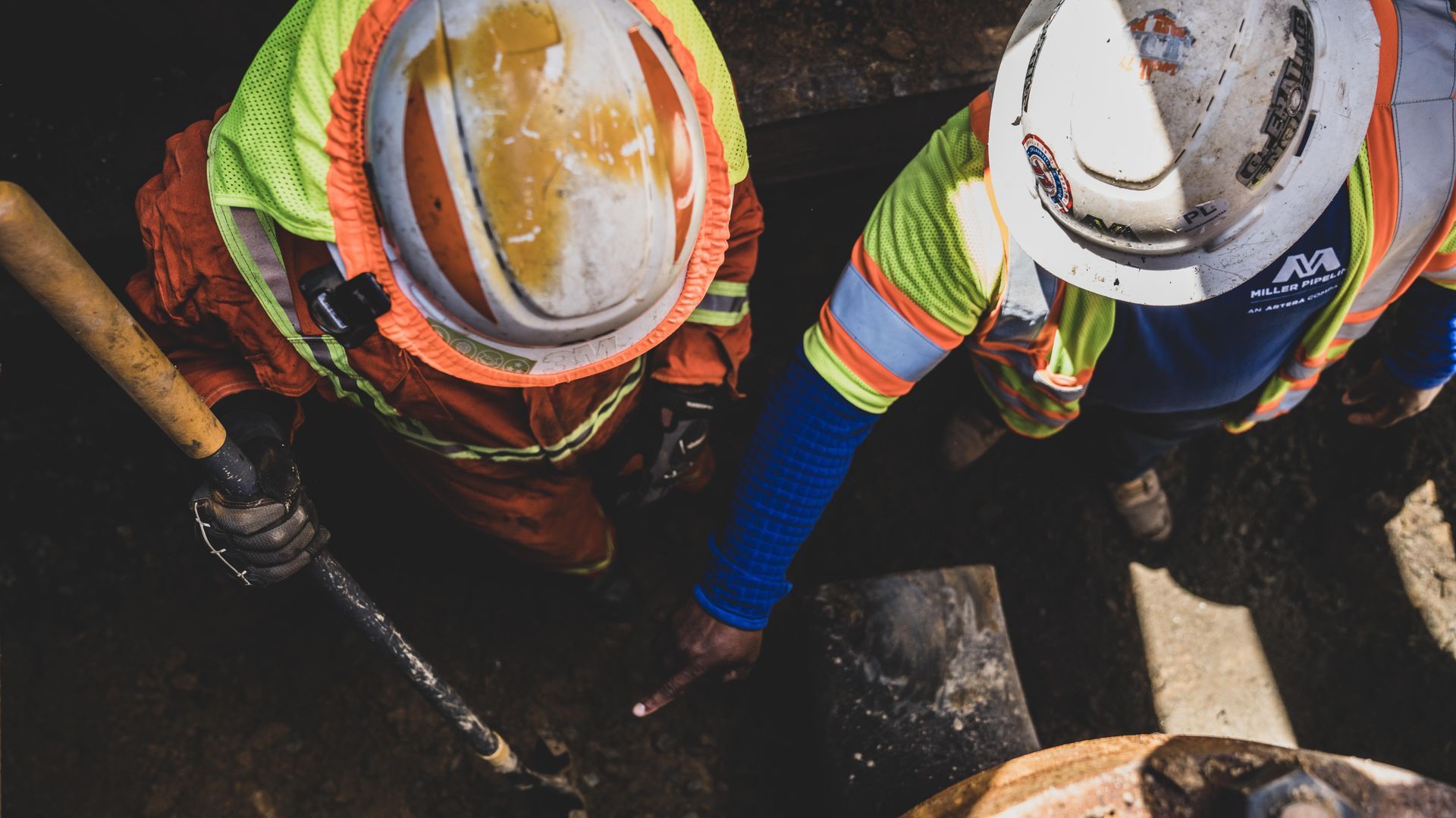
PHMSA's new approach of issuing 40+ targeted rulemakings instead of mega rules, and what the substantive changes mean for pipeline operators.
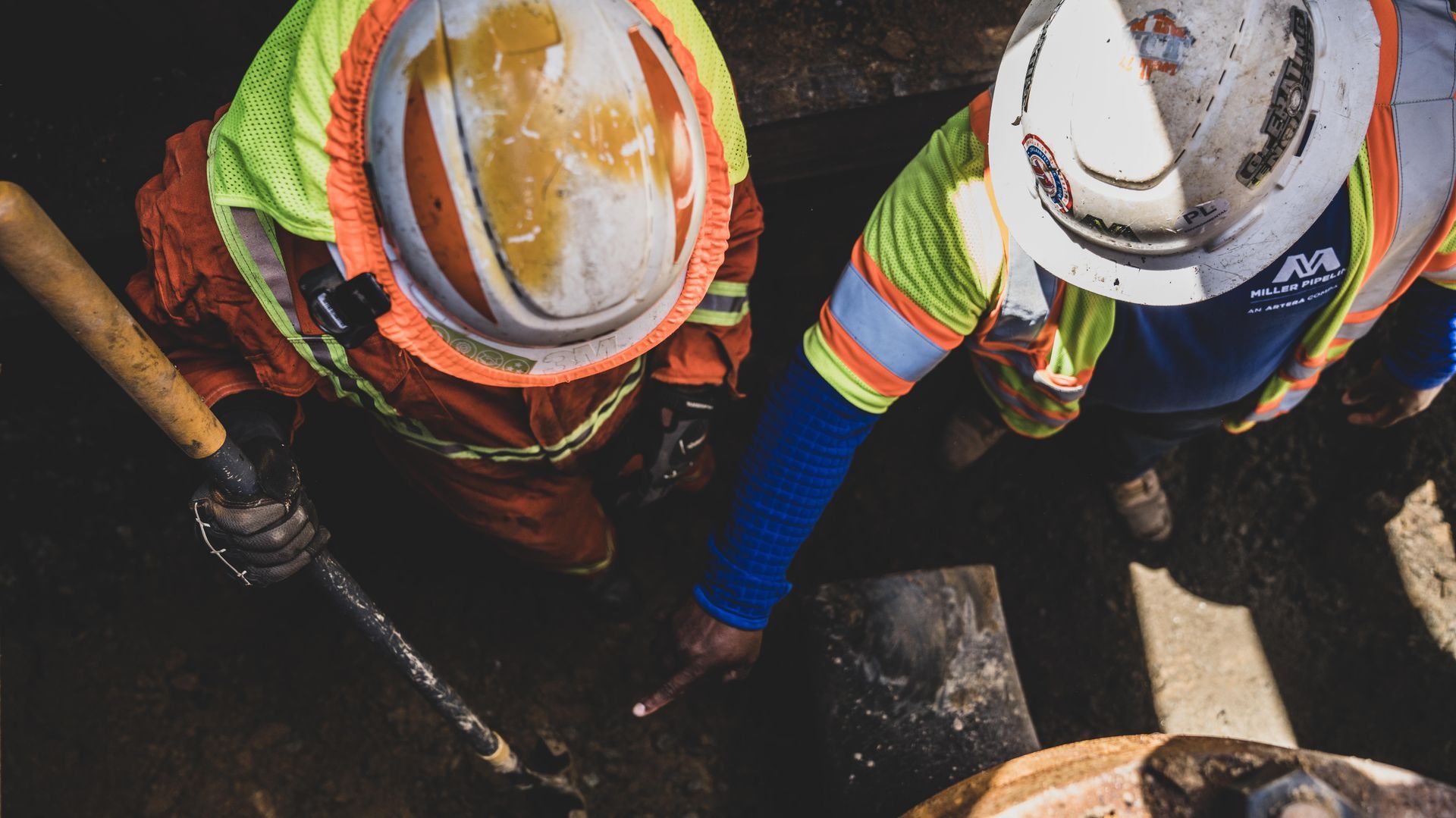
PHMSA's Technical Pipeline Safety Standards Committee (GPAC) met on May 28, 2026, to work through the Safety of Gas Distribution Pipelines rule. Here's what happened and what operators need to know.
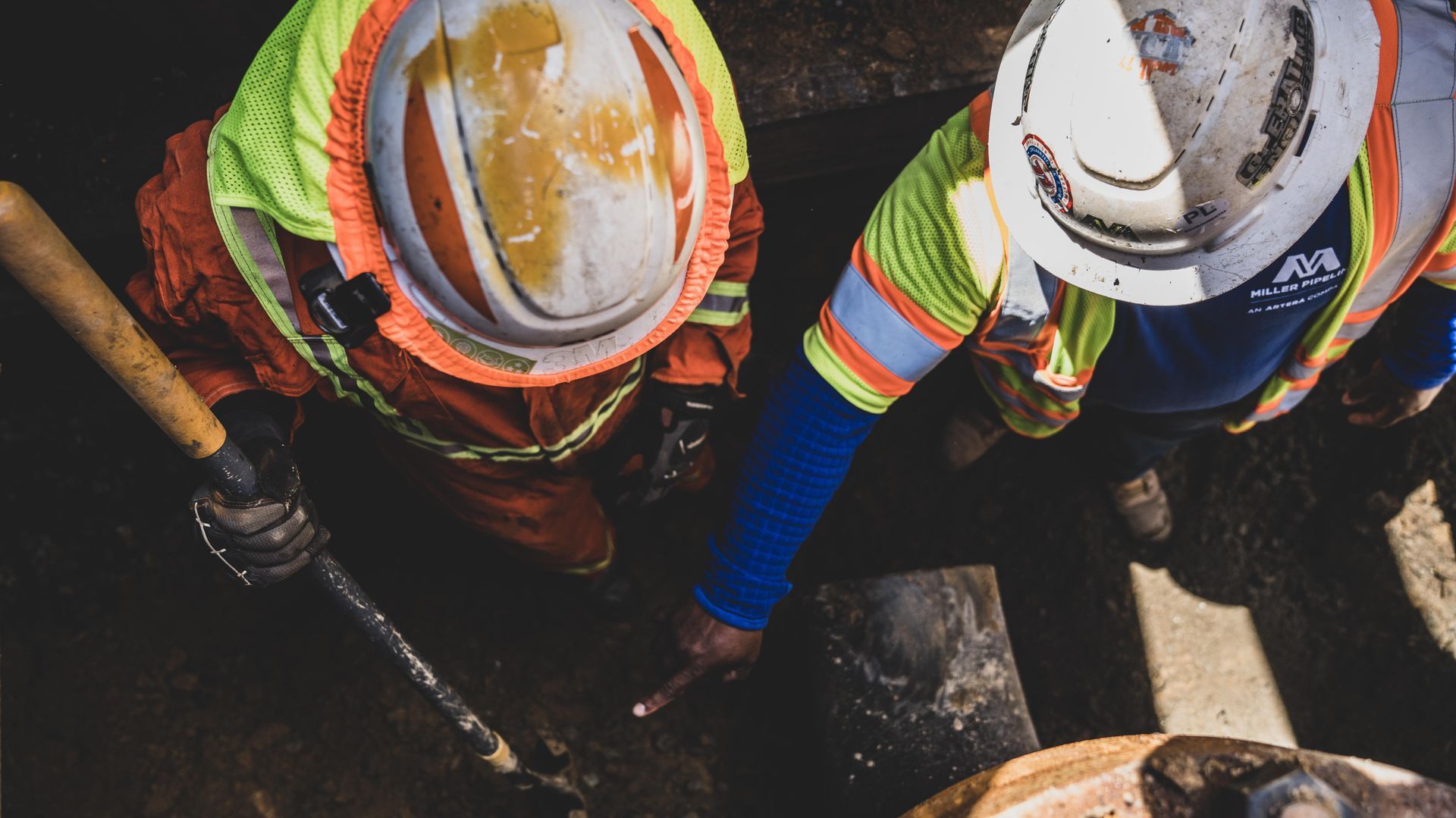
Span of control refers to the practice of allowing an unqualified worker to perform a covered task while being directed and observed by a qualified person.
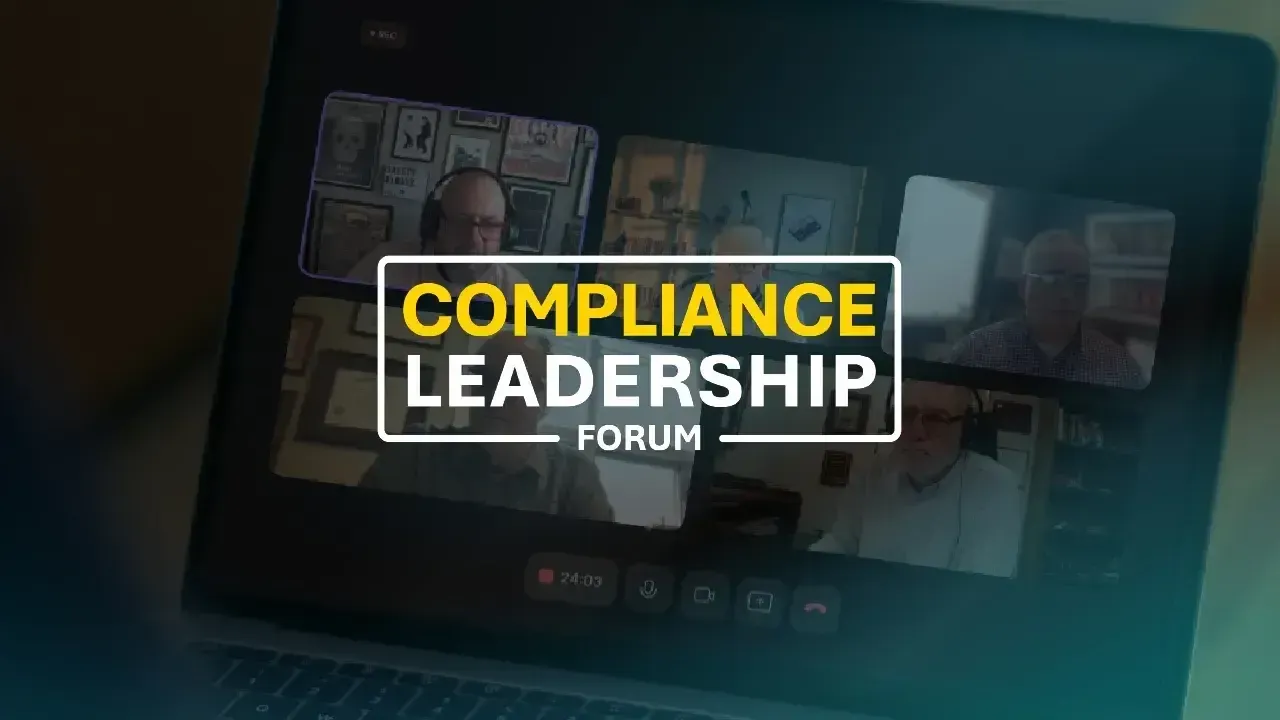
Former PHMSA leaders discuss PSMS, OQ, safety culture, contractor oversight, and the future of pipeline safety and compliance.