
What Is OQ Training?

Energy Worldnet (EWN) • August 4, 2023

Share this article

You might have heard the term OQ training but don't know exactly what it is. So, let's talk about it, what it is and why it's important, and the different facets surrounding it. Energy Worldnet is here to help.

OQ is the abbreviation for Operator Qualification. Energy Worldnet's OQ training libraries contain courses and performance evaluations developed by education professionals and industry subject matter experts to help pipeline operators meet state and federal Operator Qualification requirements found in 49 CFR Part 192, Subpart N and 49 CFR Part 195, Subpart G.

What Is Operator Qualification Training Used For?

OQ training is designed to provide an individual with the knowledge necessary to perform covered tasks. Testing assesses whether that individual possesses the required knowledge. Performance evaluations determine whether the individual possesses the required skills and ability to perform assigned covered tasks. All in all, OQ training, testing, and performance evaluations assess an individual's knowledge, skills, and abilities.

What Are Covered Tasks?

State and federal codes define covered tasks. In federal code, the "four-part-test" applies. Many states have their own definitions of covered tasks, and operators sometimes have created even more covered tasks than would be required by state and federal codes.

Does Computer-Based or Web-Based Training Comply With the OQ Rule?

According to the Pipeline and Hazardous Materials Safety Administration (PHMSA), it does! In response to the frequently asked question of what role web-based or computer-based training plays in complying with the OQ rule, PHMSA states:

Operators may choose the type and method of training; computer-based and web-based training represent two permissible choices available to operators. Training must address an operator's pipeline system characteristics, equipment, and procedures. See 64 FR at 46863. Training programs and methods may be reviewed by regulators during inspections.

An important part of PHMSA's above response is that training must address an operator's pipeline system characteristics, meaning off-the-shelf training used for OQ may not always meet every operator's needs. EWN is equipped to build custom training content to help you include training to address your company's unique needs.

Who Monitors Operator Compliance?

The PHMSA's Office of Pipeline Safety is the entity responsible for monitoring operator compliance. They do this by performing program and record inspections, as well as field inspections of the pipeline operator's facilities and certain construction projects. PHMSA also performs inspections of the operator's management systems, processes, and procedures and investigates accidents and incidents.

Where Can I Get OQ Training?

Energy Worldnet is the industry leader in providing proven, regulatory inspection-vetted training to meet each pipeline operator's needs. EWN focuses on compliance-centered OQ solutions and is accredited by the International Accreditors for Continuing Education and Training, or IACET.

What's Next?

If you are interested in OQ training or just want more information first, Contact Energy Worldnet today.

Founded in 1994, Energy Worldnet has provided training and compliance to more than 1,400 clients. We offer OQ solutions and countless other customized services and technologies.

Recent Posts

By EWN Compliance Team • September 16, 2026
Up to half the utility workforce could retire within a decade. Here's why OQ onboarding speed, not headcount alone, is becoming the real safety variable.

By Energy Worldnet (EWN) • August 17, 2026
Every OQ program rests on 9 provisions in 49 CFR 192.805. Here's each one explained in full, with the specific requirement behind it.

Construction worker in hard hat and safety vest sitting on scaffolding, looking upward
By Kevin Speicher • July 24, 2026
PHMSA just issued ADB-2026-06, an advisory bulletin reminding gas distribution operators of their existing obligations under 49 CFR Part 192, subpart P.

By Kevin Speicher • July 22, 2026
On July 30, 2026 PHMSA is bringing the Gas Pipeline Advisory Committee & the Liquid Pipeline Advisory Committee together for a virtual meeting.

By Energy Worldnet (EWN) • July 10, 2026
EWN's Regulatory Advisory Group breaks down RP 1173, PHMSA's new leadership, ECA rulemaking, multi-state OQ compliance, and PSMS for small operators.
By Kevin Speicher • June 24, 2026
PHMSA's new approach of issuing 40+ targeted rulemakings instead of mega rules, and what the substantive changes mean for pipeline operators.
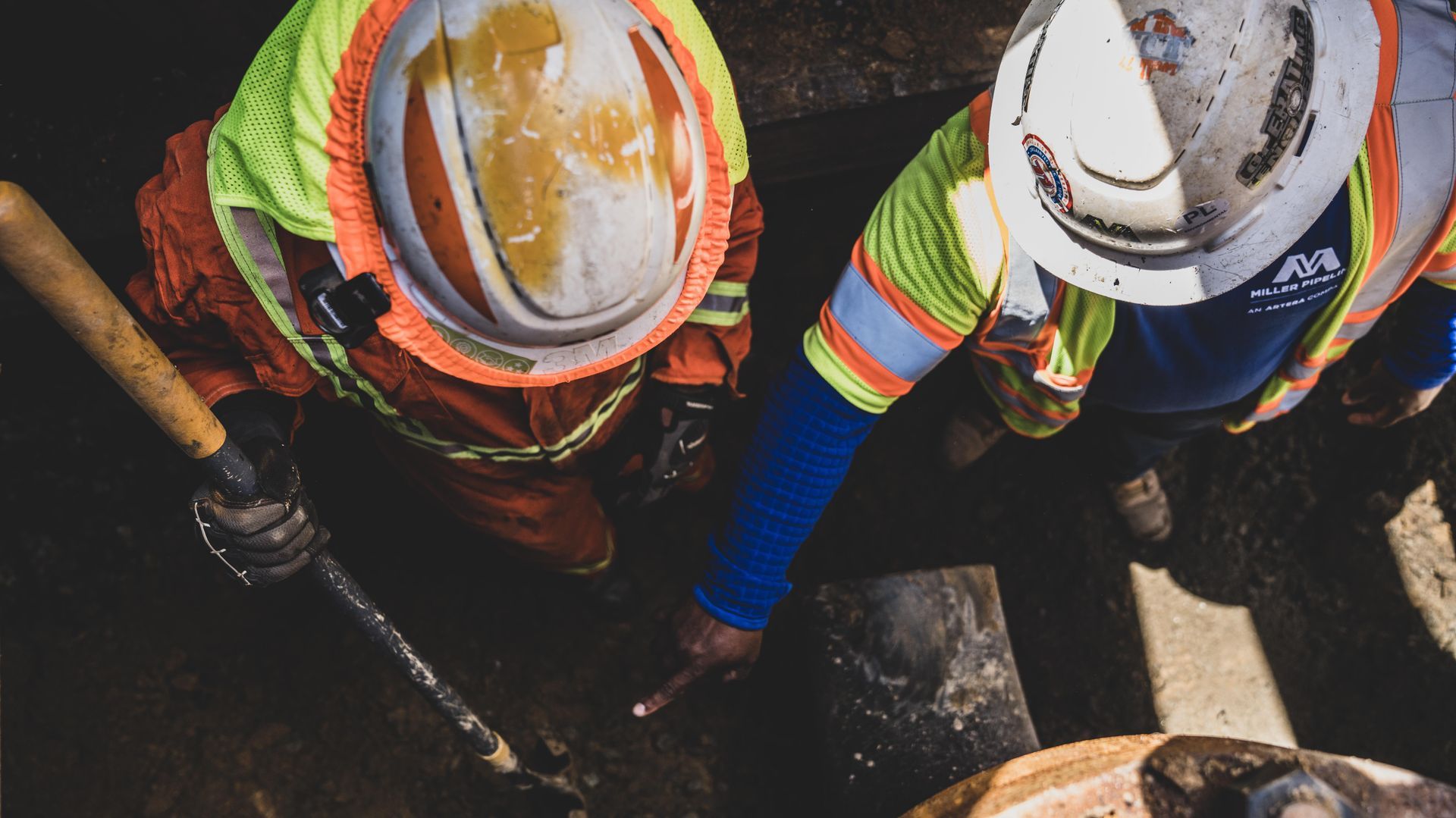
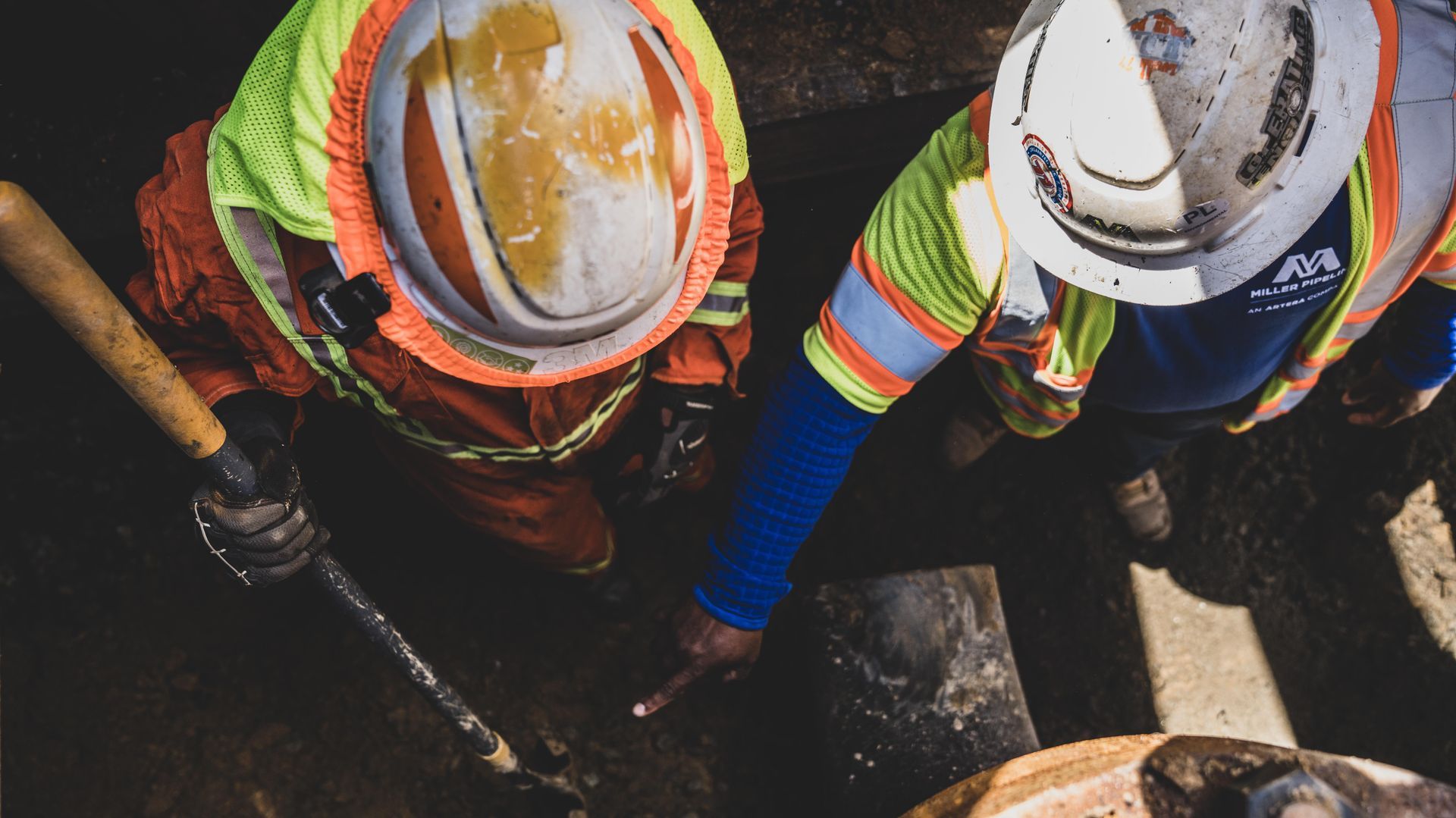
Two utility workers in hard hats inspect a trench with shovels.
By Kevin Speicher • June 24, 2026
PHMSA's Technical Pipeline Safety Standards Committee (GPAC) met on May 28, 2026, to work through the Safety of Gas Distribution Pipelines rule. Here's what happened and what operators need to know.
By Kevin Speicher • June 19, 2026
Span of control refers to the practice of allowing an unqualified worker to perform a covered task while being directed and observed by a qualified person.

By Energy Worldnet (EWN) • May 27, 2026
Former PHMSA leaders discuss PSMS, OQ, safety culture, contractor oversight, and the future of pipeline safety and compliance.
By Kevin Speicher • April 30, 2026
PHMSA reinforcing sharper operational expectations: excavation damage remains one of the leading threats to pipeline safety.

Show More